
Table of Contents
- Why Magnetic Closure Kids Pajamas Matter for Sensory Comfort
- Sensory Friendly Pajamas for Kids: How Magnetic Fasteners Help
- Tagless Pajamas for Sensitive Skin: Material and Design Features
- Safety and Medical Considerations: What Parents Need to Know
- Durability and Longevity: Do Magnetic Closures Hold Up?
- How to Wash Magnetic Closure Clothing Properly
- Finding the Right Fit: Sizing and Age-Appropriate Styles
- Conclusion
- Frequently Asked Questions
Last Updated: September 4, 2026
Why Magnetic Closure Kids Pajamas Matter for Sensory Comfort
For parents of children with sensory processing sensitivities, the nightly struggle with snaps, zippers, and buttons can turn bedtime into a battleground. Magnetic closure kids pajamas solve this problem by replacing traditional hardware with smooth, flat magnetic fasteners that align effortlessly. This guide from Doodlebug's Children's Boutique explains why these pajamas are becoming a staple for sensory-friendly sleepwear, helping you make an informed choice for your child.
The core benefit is simplicity: magnets close quietly, require no fine motor skills to align, and eliminate the scratchy, bulky hardware that irritates sensitive skin. A child who resists getting dressed for bed often responds better to a garment that feels like putting on a soft shirt rather than wrestling with a closure system. For sleep-deprived parents, those saved minutes during the nighttime routine matter more than most guides acknowledge.
Below, we'll walk through the sensory science, safety considerations, durability expectations, and care instructions so you can buy magnetic closure kids pajamas with total confidence.
Sensory Friendly Pajamas for Kids: How Magnetic Fasteners Help
Sensory friendly pajamas for kids work because they reduce sensory input, not add to it. Traditional snaps require pressure and produce a distinct "pop" sound when opened. Zippers create a harsh metallic rasp and often leave a cold metal tab against the chin or neck.
Magnetic closures operate in near silence with a gentle pull. The fastener itself sits flat against the fabric, so there's no raised button or ridge pressing into a child's back or belly while they sleep. For children who are sensitive to touch, this flat profile makes a measurable difference in how quickly they settle.
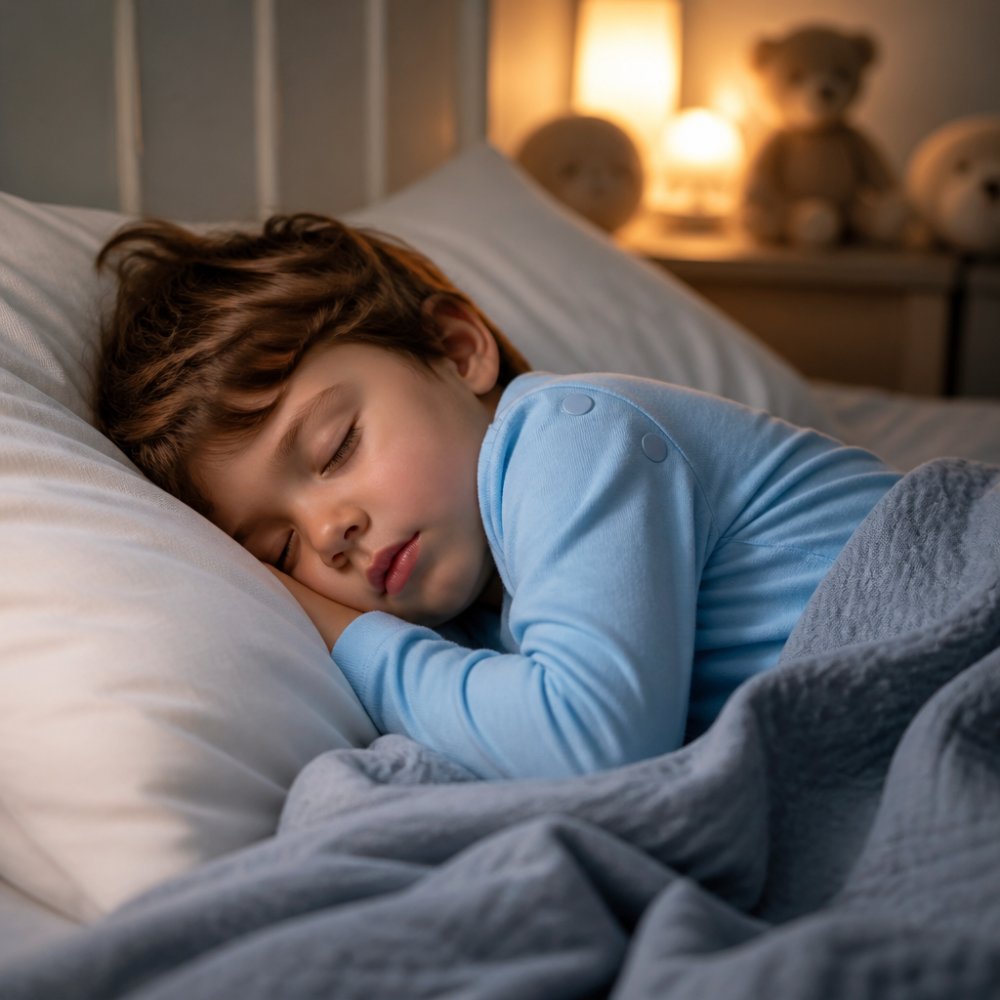
The design also supports easier diaper changes and middle-of-the-night bathroom trips. A single pull opens the entire front of the garment, and re-closing takes one second without waking a drowsy child. This convenience-focused design is why many parents describe magnetic pajamas as the most practical sleepwear they've purchased.
Tagless Pajamas for Sensitive Skin: Material and Design Features
Tagless pajamas for sensitive skin address the other major source of nighttime irritation: the scratchy woven label at the neckline. Many magnetic closure pajamas pair their fastener system with tagless construction and soft, breathable materials.
The best options for sensitive skin use fabrics like organic cotton, bamboo, or TENCEL™ modal. These materials are naturally smooth, moisture-wicking, and gentle against eczema-prone or reactive skin. A fitted silhouette in a long-sleeve style provides gentle, even pressure that many children with sensory processing differences find calming, similar to the effect of a weighted blanket.
Ergonomic design matters here too. Flat seams reduce friction points, while a convertible one-piece style with footies can be worn with feet covered or open, adapting to your child's temperature preferences through the night. When shopping, look for pajamas that prioritize these details over decorative elements that might feel itchy or restrictive.
Safety and Medical Considerations: What Parents Need to Know
Parents often ask whether magnetic fasteners are safe for children, particularly those with medical devices or who are at risk of swallowing small objects. Magnetic closure kids pajamas are designed with sew-safe technology, meaning the magnets are fully enclosed in fabric pockets and cannot be removed or swallowed by a child. The magnets are sewn in place, not glued, so they remain secure through washing and normal wear.
For children with pacemakers, insulin pumps, continuous glucose monitors, or other implanted medical devices, consult your pediatrician before introducing magnetic clothing. The magnets used in pajamas are typically weak (1,000-3,000 gauss) and are designed to pose minimal risk, but medical guidance should always take precedence. According to guidance on magnets and medical devices from the U.S. Food and Drug Administration, strong magnetic fields can interfere with certain implanted devices, and the FDA recommends keeping magnets at least 12 inches away from pacemakers and similar devices. Most pediatricians will clear standard magnetic pajamas for children without implanted devices, but those with medical equipment should receive explicit clearance from their care team.
Safety standards for children's sleepwear in the United States focus on flame resistance and fit. Magnetic pajamas must meet the same Consumer Product Safety Commission sleepwear requirements as any other children's sleepwear, so look for snug-fitting styles that comply with federal regulations. The magnets themselves should be rated for strength appropriate to infant apparel (typically 1,000 gauss or less for newborns and infants), and the enclosure should survive repeated washing without exposing the fastener.
Another safety consideration is age-appropriate transition. Magnetic pajamas are ideal for newborns through toddlers (ages 0-3) because they enable quick diaper changes and reduce sensory friction during a period when children have limited independence. However, as children approach preschool age (3-5 years) and begin developing independence and dressing skills, some parents find that magnetic closures can become a crutch, children may not learn to manage traditional fasteners if they never encounter them. There is no universal rule, but many occupational therapists recommend introducing snaps, zippers, or buttons by age 4-5 as a developmental milestone, even if magnetic pajamas remain an option for comfort or sensory needs. For children with sensory processing disorder or autism spectrum disorder, this transition may happen later or not at all, and that is developmentally appropriate. The key is intentionality: use magnetic pajamas to reduce nighttime stress, but plan for a gradual transition to other closure types as your child's fine motor skills and independence grow.
For children who are prone to removing their clothing at night (a behavior common in toddlers and some children with sensory seeking tendencies), magnetic closures offer an advantage: they are harder to undo than snaps and impossible to unzip, which can help keep pajamas on through the night. This is a safety feature in its own right, as it reduces the risk of a child sleeping without adequate coverage.
Durability and Longevity: Do Magnetic Closures Hold Up?
Parents investing in magnetic pajamas want to know whether the magnets will fail after a few months of washing and wear. The honest answer is that quality magnetic closures are remarkably durable, but the durability depends on construction, not just the magnet strength itself.
Most magnetic pajama manufacturers use neodymium magnets rated between 1,000 and 3,000 gauss, sewn into reinforced fabric channels or pockets that protect them from bending, corrosion, and demagnetization. These magnets are stress-tested in factory conditions to withstand thousands of open-close cycles, typically 5,000 to 10,000 cycles in accelerated testing, which translates to several years of daily use for a child.
The real durability test, however, is laundry. A pair of magnetic pajamas subjected to repeated machine washing in cold water on a gentle cycle will retain magnet strength through at least 50 to 75 washes before any noticeable weakening occurs. The limiting factor is usually not the magnet itself but the fabric enclosure: if seams begin to fray or the fabric pocket weakens, the magnet can shift or become exposed. This is why construction quality matters more than magnet grade.
Sustainable fabrics like organic cotton and TENCEL™ modal actually hold up better over time than conventional cotton because the fibers are longer and more resilient to pilling and breakdown. A well-made pair of magnetic pajamas in organic cotton can last through multiple children and 100+ washes without magnet failure, provided you follow care instructions (cold water, gentle cycle, no bleach).
The cost-benefit calculation is important here. Magnetic pajamas typically cost 20-40% more upfront than snap or zipper alternatives, often $40-$80 per set versus $25-$50 for traditional closures. However, for families managing sensory sensitivities, a single pair that a child will actually wear and sleep in is worth more than several cheaper pairs that sit unused in a drawer. When you factor in the elimination of bedtime resistance, the reduced need to replace rejected pajamas, and the ability to pass durable pairs down to siblings, the per-wear cost of a quality magnetic set often becomes competitive with or lower than traditional sleepwear over a 2-3 year window. For children who outgrow pajamas every 6-12 months, durability is less of a concern; for children who wear the same size for 18+ months, durability becomes a genuine financial advantage.
If you notice magnets becoming less responsive after extended use, check the seams for wear and reinforce them with a simple stitch if needed. A loose magnet pocket can sometimes be re-sewn rather than replaced, extending the life of the garment further.

How to Wash Magnetic Closure Clothing Properly
Caring for magnetic closure clothing is straightforward, but a few habits will extend the life of both the magnets and the fabric. Most magnetic pajamas are machine washable, which is essential for parents who need low-maintenance clothing.
Wash magnetic pajamas in cold water on a gentle cycle. Turn the garment inside out to protect the magnet enclosures from friction against other items in the drum. Avoid fabric softeners, which can coat the fibers and reduce the breathability of natural materials like organic cotton and modal.
Tumble dry on low heat or lay flat to dry. High heat can weaken the fabric fibers over time and may affect the adhesive used in some magnet enclosures. If you notice the magnets becoming less responsive, check the seams for any wear and reinforce them with a simple stitch if needed.
Finding the Right Fit: Sizing and Age-Appropriate Styles
Sizing for magnetic closure pajamas follows standard children's clothing measurements, but the fit philosophy differs. Sleepwear should be snug, not loose, both for safety and for sensory comfort. A fitted garment provides gentle pressure without bunching or twisting during sleep.
Most brands offer sizing from preemie through toddler and into big kid sizes. For newborns and infants, a convertible one-piece with footies and magnetic shoulder closures makes diaper changes manageable. Toddlers do well with two-piece sets that allow independent dressing, while older children often prefer the ease of a pullover top with magnetic placket.
Age-appropriate styling matters, especially for tweens who reject anything that looks "babyish." Look for magnetic pajamas in age-neutral prints, solid colors, or licensed characters that appeal to older kids. At Doodlebug's Children's Boutique, we carry options like the Disney | Magnetic Me Princess Women's Modal Magnetic Classic with a Twist Short Sleeve Pajama Set at $98.99, which pairs beloved Disney characters with the comfort of magnetic closures and sustainable TENCEL™ modal fabric. This set shows that magnetic pajamas aren't just for babies, they work for older kids and even adults who want that same ease.
| Age Group | Recommended Style | Key Features | Best For |
|---|---|---|---|
| Preemie/Newborn | Convertible one-piece with footies | Magnetic shoulder closures, tagless | Easy diaper changes, swaddle transition |
| Infant (3-12 mo) | Footie pajamas with front magnetic placket | Full-front opening, breathable fabric | Midnight changes without full undressing |
| Toddler (1-3 yrs) | Two-piece sets or one-piece with gripper feet | Independent dressing, room to move | Potty training, active sleepers |
| Big Kid/Tween | Two-piece with magnetic top placket | Age-appropriate prints, relaxed fit | Older kids who want independence |
Conclusion
Choosing the right sleepwear for a sensory-sensitive child comes down to reducing friction, both physical and emotional. Magnetic closure kids pajamas deliver on that promise with quiet, flat fasteners, tagless construction, and soft, sustainable fabrics that respect sensitive skin.
Finding sleepwear that your child will actually wear can feel like an endless search. At Doodlebug's Children's Boutique, we've curated a collection of tagless, magnetic closure pajamas made from organic and bamboo materials, designed with the input of families who live with sensory processing differences. Our fair-trade, sensory-conscious approach means every piece is chosen for real comfort, not just cute prints. Browse our sleepwear collection and give your child the gift of a peaceful night's sleep. Get started with Doodlebug's Children's Boutique and find pajamas that work as hard as you do.
Frequently Asked Questions
Are magnetic closure pajamas safe for children?
Yes, magnetic closure pajamas are safe when they meet Consumer Product Safety Commission (CPSC) standards. The magnets used in quality children's pajamas are encapsulated and securely fastened to prevent detachment. Magnetic strength in children's sleepwear is specifically designed to be gentle and non-hazardous. Always verify that products meet CPSC guidelines and avoid items with loose or exposed magnets.
What are the benefits of magnetic pajamas over zippers or snaps?
Magnetic closure pajamas eliminate common sensory triggers that zippers, snaps, and buttons create. There's no pinching, no rough textures against skin, and no frustrating fine motor coordination required. The quick-change design means faster nighttime and diaper changes without waking a sleeping child. For children with autism or sensory processing disorders, the smooth, seamless fastening experience reduces meltdowns and anxiety during dressing routines. Parents also appreciate the convenience during midnight changes and bathroom trips.
How do you wash magnetic closure pajamas?
Wash magnetic closure clothing in cold water on a gentle cycle to preserve both fabric and magnet durability. Use mild detergent and avoid bleach or fabric softeners, which can degrade organic and bamboo materials. Machine drying on low heat is safe, though air drying extends garment life. Check that magnets remain secure before washing and after drying.
Are magnetic closure pajamas suitable for children with fine motor delays?
Absolutely. Magnetic closure pajamas are ideal for children with fine motor delays because they require no button-fastening, zipper-pulling, or snap-closing skills. The magnets align automatically with minimal effort, making independent dressing achievable for children who struggle with traditional fasteners. This builds confidence and reduces caregiver stress during bedtime routines. The ease-of-use design supports children's growing independence while keeping them comfortable and secure throughout the night.
This article was written using GrandRanker