
Table of Contents
- Why Bamboo Fabric Needs Special Care
- Choosing the Best Detergent for Bamboo Clothing
- Water Temperature and Washing Machine Settings for Bamboo
- Does Bamboo Fabric Shrink in the Dryer?
- How to Remove Stains from Bamboo Fabric
- Step-by-Step: How to Wash Bamboo Fabric at Home
- Common Mistakes to Avoid When Washing Bamboo
- Conclusion
- Frequently Asked Questions
Last Updated: September 1, 2026
Why Bamboo Fabric Needs Special Care
Bamboo viscose is made from delicate cellulose fibers prone to degradation when exposed to harsh chemicals, high heat, and aggressive agitation. Unlike synthetic fibers, bamboo fabric's strength depends entirely on how you treat it during washing and drying. Neglect this, and your child's favorite soft shirt becomes stiff, pilled, and uncomfortable within months.

The manufacturing process creates naturally smooth, absorbent fibers that are susceptible to pilling and fiber breakage. Water temperature, detergent type, spin speed, and drying method all directly impact longevity. A single hot wash or tumble dry cycle can permanently alter the fabric's feel. Even mineral buildup from hard water can leave residue that makes fabric feel stiff against sensitive skin.
The good news? Protecting bamboo fabric isn't complicated. Once you understand why each step matters, caring for bamboo becomes second nature.
Choosing the Best Detergent for Bamboo Clothing
The detergent you choose determines whether bamboo fabric stays soft or becomes stiff. Most standard laundry detergents are too harsh for bamboo viscose. They contain enzymes, optical brighteners, and surfactants designed to break down oils aggressively, exactly what you don't want for delicate fibers.

A mild, pH-neutral detergent specifically labeled for delicate garments or sensitive skin is non-negotiable. Enzyme-based detergents are particularly problematic because enzymes break down protein bonds, accelerating fiber degradation. Liquid detergents work better than powders because powders don't dissolve completely in cold water and leave residue on fibers.
The best detergents contain no chlorine bleach, no optical brighteners, and no heavy perfumes that irritate sensitive skin. Use even less detergent than the bottle recommends, residual buildup is one of the most common reasons bamboo fabric loses softness. For sensory-sensitive children, look for fragrance-free options or those scented with essential oils only.
Hard water significantly impacts detergent effectiveness. Mineral buildup will accumulate on bamboo fibers regardless of detergent choice. Consider using a water softener or adding a chelating agent to prevent mineral deposits that make fabric feel stiff and look dull.
Water Temperature and Washing Machine Settings for Bamboo
Cold water is the only appropriate choice for washing bamboo fabric. Hot water accelerates fiber degradation and causes permanent shrinkage. Even warm water is risky.
The gentle cycle on your washing machine is essential, not optional. A gentle cycle reduces agitation and spin speed, protecting fabric integrity. Standard or heavy cycles generate too much friction and stress for delicate bamboo fibers.
Spin speed matters more than most parents realize. A high-speed spin puts tremendous stress on wet fibers, when bamboo is weakest. Use a slower spin speed or medium spin at most. Some machines offer a "gentle spin" option, use it if available.
Fill your machine to about three-quarters capacity. Crowded loads prevent proper water circulation and require longer wash times. Three-quarters full is the sweet spot for effectiveness and fabric care.
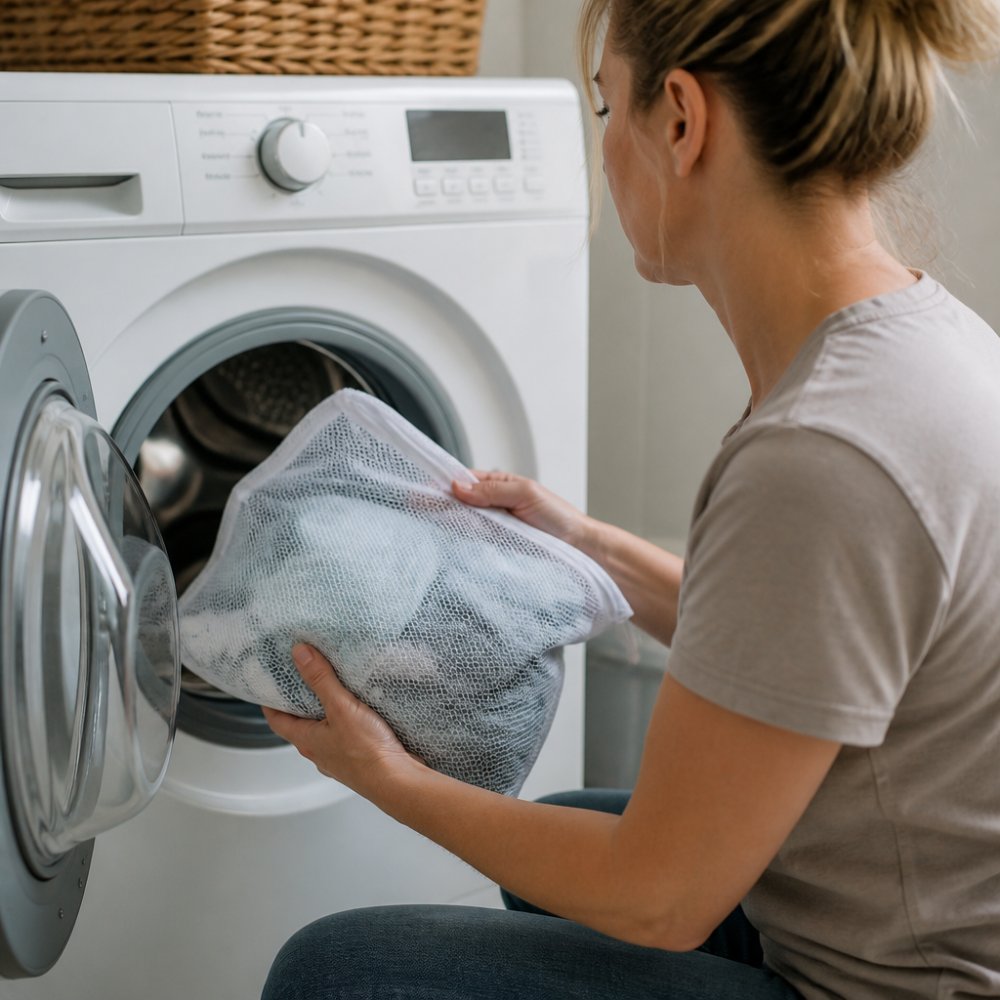
Consider using a mesh laundry bag for smaller items like socks, underwear, or lightweight shirts. The bag protects fabric from direct contact with the machine's agitator and reduces friction against other garments.
Does Bamboo Fabric Shrink in the Dryer?
Yes, bamboo fabric shrinks in the dryer, and the damage is often permanent. Machine drying is the single most common reason bamboo clothing becomes smaller, stiffer, and less comfortable.
Heat causes bamboo fibers to contract irreversibly. Even low heat settings can trigger shrinkage. A single hot dryer cycle can shrink a garment by 5-10% or more. Once shrinkage occurs, you cannot reverse it.
Air drying is the only truly safe method for bamboo fabric. Lay items flat on a clean, dry surface or hang them on a clothesline or drying rack. Flat drying is gentler than hanging because it distributes weight evenly and prevents stretching.
Drying time varies by humidity and air circulation. In dry conditions with good airflow, most items dry within 24-48 hours. Plan ahead so you're not tempted to use the dryer out of convenience.
Wrinkle prevention is possible without heat. Remove items from the line while slightly damp and fold immediately. Light pressing with a cool iron (if needed) is safer than machine drying.
How to Remove Stains from Bamboo Fabric
Stain treatment on bamboo requires speed and gentleness. The longer a stain sits, the harder it becomes to remove. But aggressive scrubbing or harsh chemicals will damage the fabric more than the stain will.
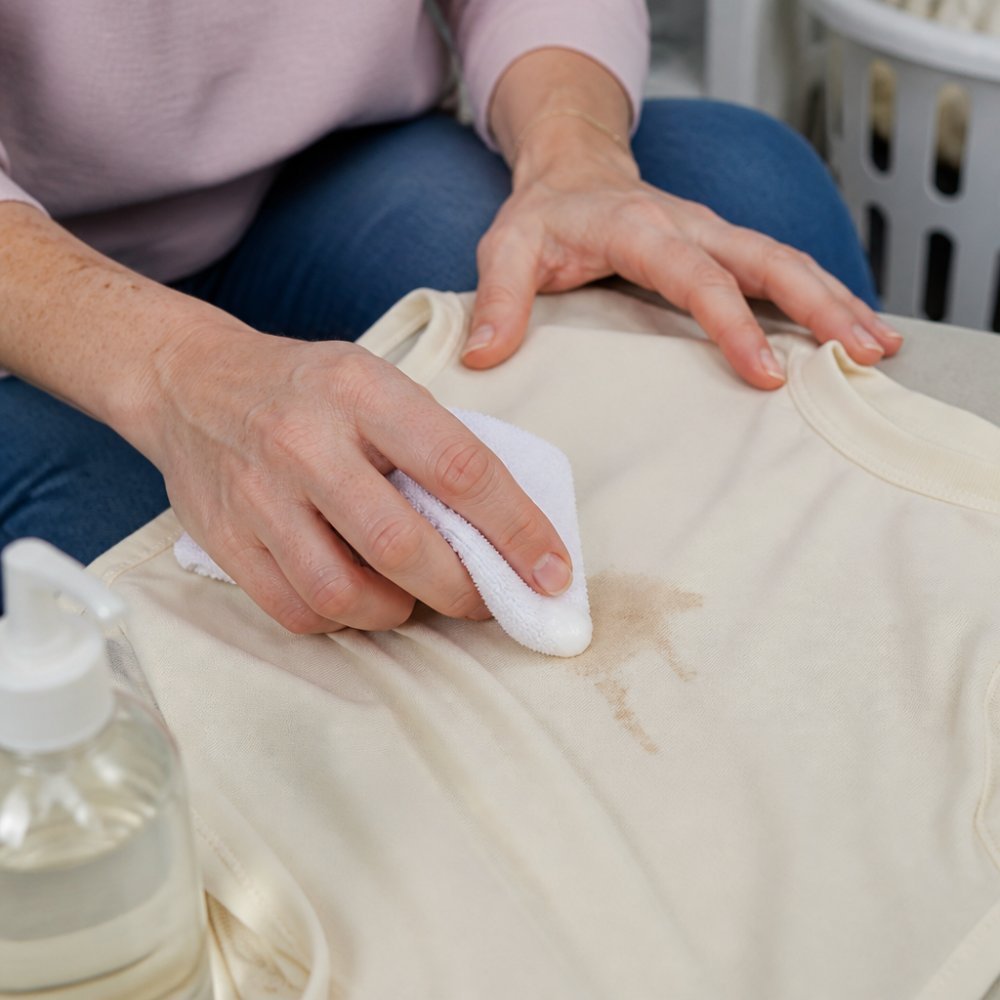
Treat stains immediately when possible. Blot the stain with a clean, damp cloth to remove excess liquid or debris. Don't rub; rubbing pushes the stain deeper into fibers and damages fabric.
For protein-based stains (milk, formula, vomit, blood), rinse with cold water immediately. Hot water sets protein stains permanently.
For organic stains (fruit, grass, dirt), apply a mild stain remover directly to the stain before washing. Look for pH-neutral, enzyme-free formulas designed for delicate fabrics. Let it sit for 10-15 minutes, then gently rub with a soft cloth. Rinse thoroughly with cold water before washing.
For stubborn stains, make a paste from mild detergent and cold water. Apply directly to the stain and let it sit for 30 minutes. Gently work the paste into the fabric with your fingers, then rinse thoroughly.
Never use bleach, oxygen bleach, or hydrogen peroxide on bamboo fabric. These chemicals break down the cellulose structure and cause permanent damage.
Wash stained items separately from other laundry until the stain is completely gone. Never put a stained item in the dryer; heat will permanently set any remaining stain.
Step-by-Step: How to Wash Bamboo Fabric at Home
Total Time: 45 minutes active time plus drying
What You'll Need:
- Mild, pH-neutral detergent (fragrance-free if possible)
- Cold water
- Mesh laundry bag (optional but recommended)
- Clean, flat surface or drying rack for air drying
- Soft cloth for blotting stains
Step 1: Pre-treat visible stains (5 minutes)
Inspect your bamboo garments before washing. Blot any visible stains with a damp cloth using cold water only. Apply a mild stain remover if needed and let it sit for 10-15 minutes. Do not rub or scrub.
Step 2: Place items in mesh bag (2 minutes)
Put bamboo clothing items in a mesh laundry bag. This protects the fabric from direct agitation and friction against the machine drum.
Step 3: Fill machine with cold water (3 minutes)
Set your washing machine to the gentle or delicate cycle. Fill with cold water, never warm or hot. Add only three-quarters of the recommended detergent amount. Less detergent is better for bamboo; residue buildup makes fabric stiff.
Step 4: Start the wash cycle (1 minute)
Start the machine. The gentle cycle typically runs 30-40 minutes.
Step 5: Remove and prepare for drying (2 minutes)
When the cycle finishes, remove items immediately. Do not leave wet bamboo fabric sitting in the machine. Gently squeeze out excess water without wringing or twisting.
Step 6: Air dry flat or hanging (24-48 hours)
Lay items flat on a clean, dry surface or hang on a clothesline. Ensure good air circulation. Most items dry within 24-48 hours depending on humidity and airflow.
Expected Result: Your bamboo fabric stays soft, maintains its shape, and lasts years with proper care.
Common Mistakes to Avoid When Washing Bamboo
Using hot water is the single biggest error. Parents often assume hot water cleans better, but for bamboo, hot water is destructive. Cold water cleans effectively with gentle detergent.
Overloading the washing machine prevents proper water circulation and requires longer wash times. Wash fewer items per load, especially for heavily soiled garments.
Skipping the mesh laundry bag exposes fabric to unnecessary friction. The bag costs a few dollars and lasts for years.
Using fabric softener is counterintuitive but damaging. Fabric softener coats fibers with wax and silicone, making bamboo feel stiff rather than soft. Skip it entirely.
Drying bamboo items in direct sun fades colors and can weaken fibers over time. Air dry in shade or indoors.
Washing bamboo with regular cotton items is risky. Cotton tolerates higher temperatures and more agitation. Wash bamboo separately or with only other delicate items.
Conclusion
Washing bamboo fabric correctly isn't complicated, but it does require attention to specific details. Cold water, gentle cycles, mild detergent, and air drying are non-negotiable. Follow these steps and your child's bamboo clothing will stay soft, comfortable, and intact for years.
At Doodlebug's Children's Boutique, we understand that sensory-sensitive children need clothing that stays comfortable through countless washes. Our Woven Sheet Set in Suede Blue and Woven Pillowcase Set in Stone are crafted from bamboo viscose specifically chosen for durability and softness. When you care for them properly using the methods in this guide, they deliver the comfort and longevity your family deserves. Start with proper washing habits today, and your bamboo garments will remain a reliable part of your child's sensory-friendly wardrobe.

Frequently Asked Questions
Q: Does bamboo fabric shrink when washed?
A: Bamboo fabric can shrink 3-5% if exposed to high heat or hot water. To prevent shrinkage, wash in cold water on a gentle cycle and air dry. Machine drying on high heat is the leading cause of shrinkage in bamboo garments. If your bamboo items have already shrunk, cold water and careful stretching while damp may help restore some size.
Q: What is the best detergent for bamboo clothing?
A: Use a mild, pH-neutral detergent free from chlorine bleach and harsh chemicals. Avoid fabric softener, which leaves mineral buildup and reduces the moisture-wicking properties bamboo naturally offers. For children with sensitive skin, choose hypoallergenic, fragrance-free options to prevent irritation.
Q: Can you put bamboo fabric in the dryer?
A: Avoid machine drying bamboo fabric on high heat, as it causes shrinkage and weakens fibers. If you must use a dryer, select low heat or air-dry settings. Air drying is the safest method: hang items to drip dry or lay flat to prevent stretching. This preserves fabric integrity and extends the life of your bamboo clothing significantly.
Q: How do I remove stains from bamboo fabric without damaging it?
A: Act quickly by blotting (not rubbing) the stain with a damp cloth. For organic stains, apply a gentle stain treatment and let sit for 15-30 minutes before washing in cold water. For set-in stains, soak in cold water with mild detergent for a few hours. Always test any treatment on a hidden area first, and avoid bleach entirely as it degrades bamboo fibers.
Proper care of bamboo fabric removes the guesswork from laundry day. Your child's comfort depends on choosing the right detergent, water temperature, and drying method. Doodlebug's Children's Boutique offers bamboo clothing designed to work with these care practices, ensuring years of softness and reliability for sensory-sensitive children.
This article was written using GrandRanker