
Table of Contents
- Why Clothing Without Buttons or Zippers Matters for Kids
- 1. Pull-On Pants and Trousers with Elastic Waistbands
- 2. Magnetic Closure Clothing and Snap Fasteners
- 3. Tagless Pajamas for Sensitive Skin and All-Day Wear
- 4. Adaptive Clothing for Sensory Processing Disorder
- 5. Bamboo and Organic Material Options
- 6. One-Piece Rompers and Bubble Suits
- 7. Twirl Dresses and Slip-On Styles
- How to Choose the Right Clothing Without Buttons or Zippers
- DIY Adaptive Clothing Modifications
- Frequently Asked Questions
Last Updated: August 31, 2026
Why Clothing Without Buttons or Zippers Matters for Kids
Getting dressed shouldn't trigger a meltdown. For children with sensory processing disorders, autism, or sensitive skin, traditional fasteners like buttons and zippers create real friction, literally and emotionally (peer-reviewed research). Clothing without buttons or zippers eliminates one major source of daily stress, making independent dressing possible instead of a battle.
At Doodlebug's Children's Boutique, we focus on comfort and inclusivity by offering tag-less apparel made from organic and bamboo materials, ensuring a soothing experience for every child. Elastic waistbands, magnetic closures, snap fasteners, and slip-on designs require zero dexterity or coordination, solving the sensory challenges that make getting dressed a daily struggle.
1. Pull-On Pants and Trousers with Elastic Waistbands
Elastic waistbands are the foundation of easy-wear apparel for independent dressing. No zippers, no buttons, no snaps, just pull them on and go. A child can dress themselves in seconds without adult help, transforming independence for those managing sensory challenges or fine motor skill development.
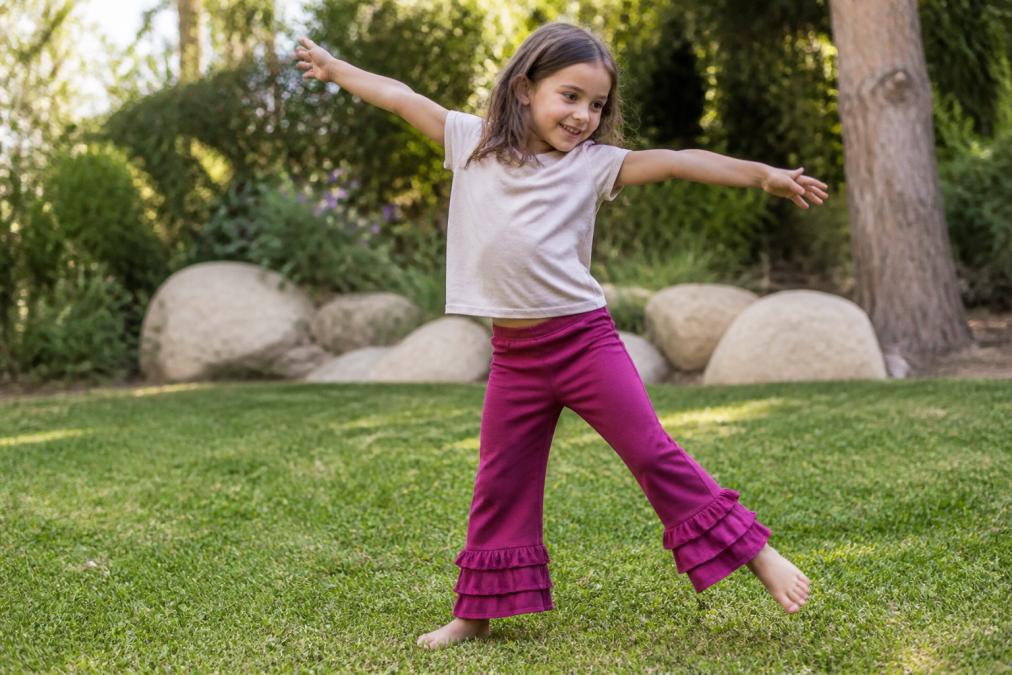
Doodlebug's Children's Boutique offers the Girls Bamboo Ruffle Pants in Berry at $12.99, made from 95% viscose from bamboo and 5% spandex. The buttery-soft fabric feels smooth against sensitive skin while the stretch provides comfortable movement. The tagless design eliminates irritation, and the moisture-wicking properties keep kids comfortable throughout the day. These work for play, lounging, travel, and layering, essentially any situation where comfort matters.

The tradeoff is minimal: elastic waistbands are less structured than traditional pants, so they work better for casual wear than formal occasions. Proper sizing matters, looser fits work best for sensory-sensitive children.
2. Magnetic Closure Clothing and Snap Fasteners
Magnetic closures represent a major innovation in adaptive clothing. Unlike buttons requiring fine motor control or zippers prone to catching, magnets align automatically and require minimal dexterity. Hidden closures integrate fasteners invisibly into seams or use color-matched snaps that don't draw attention, appealing to tweens who refuse to wear anything that "looks babyish."
Snap fasteners work particularly well for one-piece garments like rompers and bubble suits. They're durable, hold up through repeated washing, and don't break the way magnetic closures occasionally can. For children with severe dexterity issues, snaps are often easier than magnets because they don't require precise alignment.
3. Tagless Pajamas for Sensitive Skin and All-Day Wear
Tagless pajamas address one of the most common sensory triggers: the irritation from clothing tags. For children with eczema, sensory processing disorder, or general tactile sensitivity, a tag rubbing against skin all day creates constant discomfort. True tagless construction goes beyond simply cutting off the tag, the seams themselves must be smooth, the fabric soft, and the overall construction designed for sensitive skin.
Bamboo and organic cotton materials work better than synthetic blends because they're naturally hypoallergenic and breathable. Many parents find their children sleep better in truly soft, irritation-free clothing, with fewer nighttime wakings and easier bedtimes. The fabric matters as much as the tagless construction, low-quality tagless pajamas still feel scratchy if the material is rough.
4. Adaptive Clothing for Sensory Processing Disorder
Open-back and side-open designs represent a different approach to adaptive clothing. Side-open designs feature closures running along the side seam rather than the front or back, allowing a child to step into the garment without pulling it over their head, a significant advantage for kids who experience anxiety about clothing going over their face or who have mobility limitations.
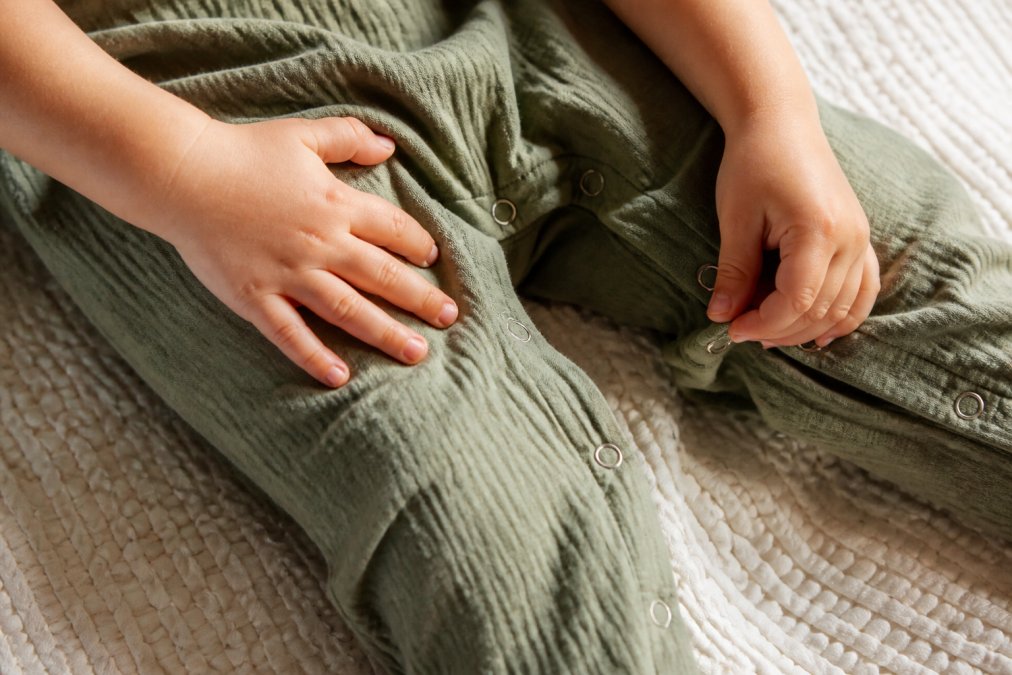
The Dreamiere All Tied Up Bamboo Bubble Romper at $38.99 combines snap closures with a one-piece design that simplifies dressing. The soft bamboo fabric and snap fasteners eliminate multiple sensory triggers while the romper construction prevents the need for coordinating separate tops and bottoms. A well-fitted romper provides gentle compression that many sensory-sensitive children find calming, preventing the overstimulation that comes from loose clothing moving unexpectedly.

5. Bamboo and Organic Material Options
The fabric itself matters as much as the design. Bamboo viscose is naturally hypoallergenic, moisture-wicking, and temperature-regulating (peer-reviewed research). It feels buttery-soft against skin without the stiffness of new synthetic fabrics. For children with eczema or severe tactile sensitivity, the difference between bamboo and regular cotton is noticeable from the first wear.
Organic cotton avoids the pesticides and chemical treatments used in conventional cotton production (the EPA). While the difference isn't always visible, children with chemical sensitivities or skin conditions often respond better to organic materials. Bamboo and organic options typically cost more than synthetic alternatives, but quality fabric lasts through multiple children and years of wear, softening with washing rather than breaking down.
| Material | Best For | Durability | Sensory Feel |
|---|---|---|---|
| Bamboo viscose | Sensitive skin, eczema | Excellent | Buttery-soft, breathable |
| Organic cotton | Chemical sensitivities | Very good | Soft, clean feel |
| Bamboo blend | General comfort | Excellent | Soft with stretch |
6. One-Piece Rompers and Bubble Suits
One-piece rompers eliminate coordination challenges entirely. No matching tops and bottoms, no deciding what goes together, no struggling with separate pieces. For children with cognitive impairment, severe sensory issues, or those developing independence, this simplification matters significantly.
Bubble suits and rompers provide gentle pressure that many sensory-sensitive children find grounding and calming. The enclosed construction prevents loose fabric from moving unexpectedly, reducing sensory overwhelm. The Dreamiere All Tied Up Bamboo Bubble Romper ($38.99) demonstrates how one-piece design combines with snap closures and soft bamboo for multiple sensory benefits. The pink bow and black dot print appeals to kids who want their clothing to look age-appropriate rather than medical or therapeutic, a psychological benefit that improves compliance and independence.
Rompers work best for casual wear and everyday activities. The investment is higher than individual pieces, typically $35-60, but the simplification and sensory benefits make them worthwhile for many families.
7. Twirl Dresses and Slip-On Styles
Twirl dresses combine functional ease with the psychological benefit of looking fun and age-appropriate. The full skirt provides the movement and sensory input many children crave, and the repetitive motion of twirling is genuinely calming for kids with sensory processing challenges or anxiety. The slip-on design eliminates closures entirely, a child simply pulls the dress over their head and goes.
The Dreamiere Say It Ain't Snow Ruffle Pocket Twirler & Shorts Set ($55.99) includes coordinating shorts for comfort and practicality while maintaining the twirl-worthy skirt design. Functional pockets add genuine utility, and kids can carry small treasures without losing them. The ruffle details and playful prints provide visual interest and tactile variety that engages sensory systems positively rather than overwhelming them.

How to Choose the Right Clothing Without Buttons or Zippers
Start with your child's specific challenges. Does your child struggle with fine motor skills? Elastic waistbands and slip-on styles work best. Is sensory overwhelm the primary issue? Soft bamboo fabric and tagless construction matter most. Does your child need to dress independently? Pull-on pants and slip-on dresses build confidence fastest.
Fabric quality matters as much as design. Bamboo and organic materials feel genuinely different from synthetic blends. If your child is sensitive to texture, investing in higher-quality fabric prevents frustration. Size matters for sensory comfort, clothing that's too tight creates pressure and irritation, while clothing that's too loose moves unexpectedly. Most sensory-friendly brands size generously, so sizing up often works better than sizing true-to-size.
Build a rotation of styles so your child has options without overwhelming them with choices. Three to five core pieces in different styles gives flexibility while maintaining simplicity.
| Consideration | Priority | Action |
|---|---|---|
| Primary sensory trigger | High | Identify and address first |
| Fabric quality | High | Invest in bamboo or organic options |
| Fit and sizing | High | Size generously; test in person if possible |
| Occasion appropriateness | Medium | Match style to use case |
| Visual appeal | Medium | Choose designs your child actually likes |
DIY Adaptive Clothing Modifications
If your child already has clothing they love but struggle with fasteners, modification is possible. Removing zippers and replacing them with snap fasteners or magnetic closures takes basic sewing skills. Many alterations shops offer this service if you're not comfortable doing it yourself.
Button removal and replacement with snaps or elastic loops works for many garments. Adding side seams with snaps creates open-side designs for existing garments. Tag removal requires careful cutting to avoid damaging fabric, but it's straightforward for most garments. These modifications work best for well-made garments worth the effort.
Clothing without buttons or zippers transforms daily dressing from a source of stress into something manageable, even enjoyable. Whether your child struggles with fine motor skills, sensory overwhelm, or simply wants easier independence, the right style makes a real difference.
Doodlebug's Children's Boutique specializes in this exact problem. Our bamboo and organic clothing eliminates the sensory triggers that make dressing difficult. Tagless construction, soft fabrics, and functional designs like elastic waistbands and snap closures give your child the comfort they need and the independence they deserve. Explore our collection of sensory-friendly clothing and discover how the right fit changes everything, from morning routines to your child's confidence in getting dressed.
Frequently Asked Questions
What are the benefits of clothing without buttons or zippers for children with sensory sensitivities?
Clothing without buttons or zippers eliminates common sensory triggers that cause distress for many children. Buttons and zippers require fine motor skills and coordination, which can be frustrating for kids with dexterity issues or developmental delays. Fastener-free designs reduce anxiety during dressing, speed up independent dressing, and prevent meltdowns caused by tactile discomfort. Many children with autism, sensory processing disorder, or fine motor challenges find elastic waistbands and magnetic closures far less stressful than traditional fasteners.
What materials work best for tagless pajamas for sensitive skin?
Bamboo viscose and organic cotton are the top choices for sensitive skin. Bamboo fabric is hypoallergenic, naturally breathable, and thermoregulating, making it ideal for children with eczema or reactive skin. Bamboo is also softer than conventional cotton and doesn't require harsh chemical treatments. Avoid synthetic blends and always check that seams are flat and tagless to prevent irritation.
How does adaptive clothing for sensory processing disorder differ from regular children's clothing?
Adaptive clothing for sensory processing disorder is specifically engineered to reduce sensory triggers. Key differences include: no tags or flat seams to prevent itching, magnetic or snap closures instead of buttons and zippers, wider armholes and necklines to reduce pressure, and breathable fabrics that regulate temperature. Many adaptive styles also feature side-open or open-back designs for easier dressing and caregiver assistance. These thoughtful modifications help children feel calm and comfortable while maintaining independence and age-appropriate style.
Are button-free and zipper-free clothing options stylish for older kids and tweens?
Yes. Modern adaptive clothing brands now offer styles that look current and age-appropriate for tweens and older children. Options include twirl dresses with elastic waistbands, crew neck sweatshirts with no closures, slip-on shorts with ruffle details, and character-themed designs. Many children actually prefer the comfort and ease of these styles once they try them. The key is choosing pieces that don't look overtly 'babyish' and come in colors and prints that match their interests and personality.
This article was written using GrandRanker