Table of Contents
- What Makes Bamboo Fabric Different From Cotton
- The Real Benefits of Bamboo Clothing for Kids
- Bamboo vs. Cotton for Baby Clothes: What Parents Need to Know
- The Greenwashing Reality: Understanding Bamboo Viscose vs. Lyocell
- How to Wash Bamboo Clothing to Keep It Soft and Durable
- Sustainability and the End-of-Life Cycle
- Conclusion
Last Updated: August 24, 2026
What Makes Bamboo Fabric Different From Cotton
Bamboo fabric and cotton are fundamentally different in how they're produced, how they feel against skin, and how they perform in everyday wear. While cotton comes from the cotton plant's fluffy fiber pods, bamboo fabric is made by breaking down bamboo plant material into cellulose and then reconstituting it into thread. This manufacturing difference creates distinct advantages for children with sensitive skin, temperature regulation needs, and parents seeking sustainable options.
The key distinction lies in the fabric's natural properties. Bamboo viscose, the most common type used in children's clothing, starts as a regenerated fiber, meaning it retains certain characteristics from the original plant material while gaining softness that rivals silk. Cotton, by contrast, is a natural fiber that undergoes different processing. For kids who struggle with scratchy seams, overheating at night, or skin irritation, this difference matters enormously.
At Doodlebug's Children's Boutique, we offer tag-less apparel made from organic and bamboo materials, ensuring a soothing experience for every child. The breathability of bamboo fabric means less sweating, which translates to fewer nighttime wakings and more restful sleep for the whole family.
Cotton requires significant pesticide use during growth and bleaching chemicals during processing (the EPA). Bamboo, grown without pesticides and processed using either viscose or lyocell methods, presents a different environmental profile, though the manufacturing process itself carries important nuances we'll explore later.
The Real Benefits of Bamboo Clothing for Kids
Moisture-Wicking and Thermal Regulation
Bamboo fabric naturally wicks moisture away from skin faster than cotton. This happens because of the fiber's structure: it has micro-gaps that pull sweat away from the body and allow it to evaporate quickly. For children who sleep hot, sweat heavily during play, or experience temperature regulation difficulties related to sensory processing, this feature reduces discomfort significantly.
Thermal regulation means bamboo clothing keeps kids cooler in summer and warmer in winter by trapping air without creating that clammy, overheated feeling. Cotton, while breathable, doesn't regulate temperature as effectively because it absorbs moisture rather than wicking it away. A child wearing cotton pajamas on a warm night often wakes up soaked; a child in bamboo fabric wakes up dry.
This becomes especially important for children with autism or sensory processing disorders who may be hypersensitive to the feeling of wet clothing. The moisture-wicking property prevents that distressing sensation entirely, which can mean the difference between a child sleeping through the night or experiencing multiple awakenings due to discomfort.
Hypoallergenic and Skin-Sensitive Relief
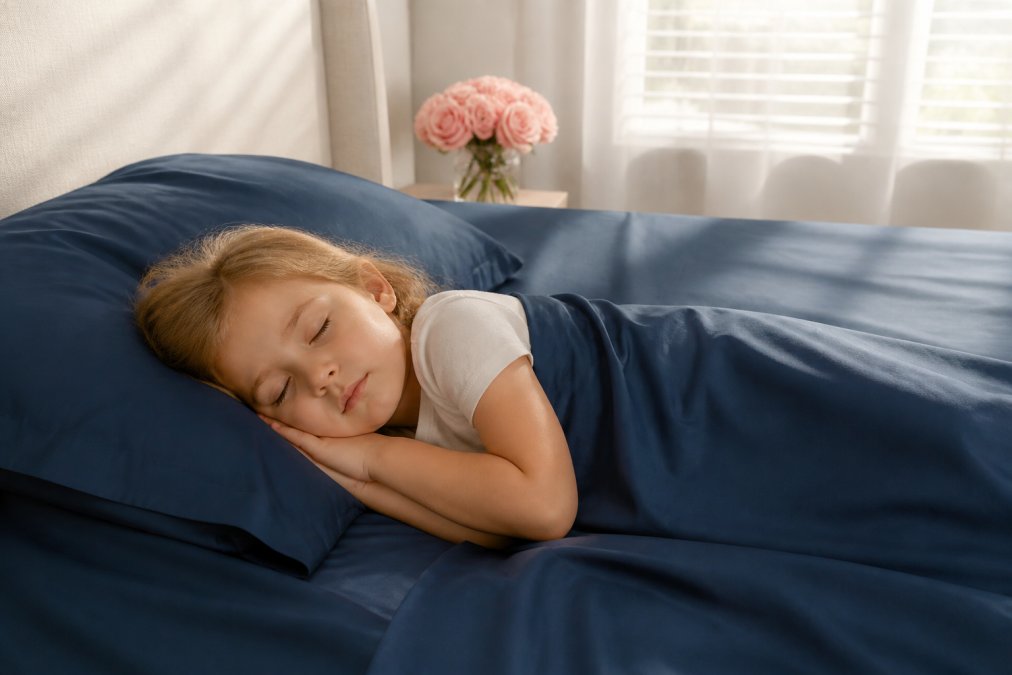
Bamboo viscose is naturally hypoallergenic, meaning it's less likely to trigger allergic reactions or irritate sensitive skin (peer-reviewed research). The fabric doesn't harbor bacteria as easily as cotton does, which reduces the risk of skin infections and odor-causing microbes. For children with eczema, psoriasis, or general skin sensitivity, this matters profoundly.
The softness of bamboo fabric also plays a role in skin health. Unlike cotton, which can feel scratchy even when new, bamboo fabric is soft from the first wash. There's no break-in period. Children with sensory sensitivities who find regular clothing unbearable often tolerate bamboo fabric immediately because there's no friction or rough texture to trigger discomfort.
For children with severe eczema, switching to bamboo clothing may help reduce flare-ups. The combination of gentle fiber, moisture-wicking properties, and natural hypoallergenic qualities creates an environment where inflamed skin can heal rather than worsen. This isn't a cure, but it removes a significant irritant from a child's daily environment.
Odor Resistance and Durability
Bamboo fabric resists odor better than cotton because it inhibits bacterial growth naturally. This means bamboo clothes can go longer between washes without developing that sour smell that plagues cotton garments. For active kids, this is a practical advantage, fewer loads of laundry while maintaining freshness.
The durability question matters to parents buying premium clothing. Quality bamboo garments hold their shape and softness through many wash cycles. Cotton can pill, fade, and lose its structure more quickly, especially when washed frequently. Bamboo fabric, when cared for properly, maintains its integrity wash after wash.
This durability translates to better value over time. While bamboo clothing may cost more upfront, it lasts longer and maintains its comfort properties, making it a worthwhile investment for families who need reliable, long-lasting options.
Bamboo vs. Cotton for Baby Clothes: What Parents Need to Know
The choice between bamboo and cotton for children's clothing comes down to your child's specific needs and your priorities as a parent. Here's how they compare across key factors:
| Factor | Bamboo Fabric | Cotton |
|---|---|---|
| Moisture-wicking | Excellent; pulls sweat away quickly | Good; absorbs moisture |
| Softness | Silk-like from first wear | Improves with washing |
| Hypoallergenic | Naturally resistant to bacteria | Can harbor irritants |
| Temperature regulation | Superior; adapts to body heat | Moderate; absorbs warmth |
| Durability | Maintains softness through many washes | Can pill and fade |
| Environmental impact | Lower pesticide use; chemical processing concerns | High pesticide use; bleaching chemicals |
| Price point | Higher initial cost | Lower initial cost |
| Best for | Sensitive skin, hot sleepers, sensory needs | General wear, budget-conscious |
For children with diagnosed sensory processing difficulties, autism, or significant skin sensitivity, bamboo fabric consistently outperforms cotton. The combination of softness, moisture management, and hypoallergenic properties addresses multiple pain points simultaneously.
Cotton works fine for children without special sensory or skin needs. It's affordable and widely available. But if your child complains about scratchy clothing, wakes up sweaty, or has recurring skin irritation, bamboo is worth trying. Many parents find that the investment in quality bamboo pieces eliminates months of struggle with uncomfortable clothing.
The Greenwashing Reality: Understanding Bamboo Viscose vs. Lyocell
This is where the bamboo fabric story gets complicated. Not all bamboo fabric is created equal, and the environmental claims deserve scrutiny.
Bamboo viscose is made using the viscose process, which involves dissolving bamboo pulp in sodium hydroxide and carbon disulfide, then reconstituting it into fiber. This process is effective and produces incredibly soft fabric, but it generates chemical waste. Many viscose manufacturers recycle these chemicals in closed-loop systems, dramatically reducing environmental impact. However, some facilities don't, and that's where environmental damage occurs.
Bamboo lyocell uses a different process called the lyocell method (often marketed as Tencel). It dissolves bamboo pulp using N-methylmorpholine-N-oxide, a solvent that's recycled in closed-loop systems with 99% efficiency. This method produces similar softness with significantly lower environmental impact. Lyocell is genuinely more sustainable than viscose, but it costs more to produce.
The greenwashing trap is assuming all bamboo fabric is eco-friendly. It's not. A bamboo viscose shirt made in a facility without chemical recycling may actually have a worse environmental footprint than organic cotton. The key difference is whether the manufacturer uses a closed-loop system.
When shopping for bamboo clothing, look for certifications like OEKO-TEX or GOTS (Global Organic Textile Standard) that verify manufacturing practices. At Doodlebug's Children's Boutique, our bamboo products are sourced from manufacturers committed to closed-loop processing, which means the chemicals used in production are captured and recycled rather than released into waterways.
The sustainability advantage of bamboo comes from three factors: bamboo grows without pesticides, it regenerates quickly without replanting, and it requires less water than cotton. But those advantages only matter if the manufacturing process is responsible. Greenwashing occurs when companies market bamboo as inherently sustainable without discussing manufacturing methods.
How to Wash Bamboo Clothing to Keep It Soft and Durable
Bamboo fabric requires slightly different care than cotton to maintain its softness and integrity. The good news is that the process is straightforward once you know the basics.
Use cold water for washing. Hot water can damage bamboo fibers and cause color fading. Cold water cleaning is equally effective and extends the life of the garment significantly. Wash in a gentle cycle or hand-wash delicate pieces to prevent unnecessary agitation.
Choose a mild detergent without bleach or optical brighteners. Harsh chemicals break down bamboo fibers and strip away the natural softness that makes the fabric so comfortable for sensitive skin. A plant-based or gentle baby detergent works perfectly. You don't need much, bamboo fabric releases dirt easily, so less detergent is actually more effective.
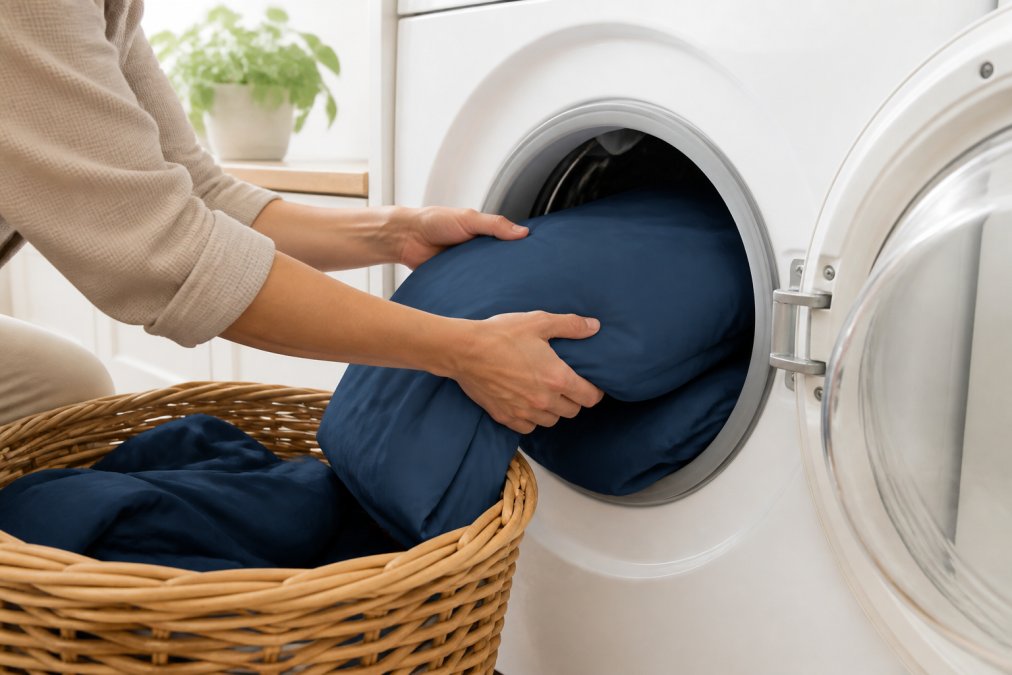
Avoid fabric softeners and dryer sheets. These products coat the fibers and reduce breathability and moisture-wicking properties, the very benefits that make bamboo special. If you want soft fabric, bamboo already delivers that without additives.
Dry on low heat or air-dry whenever possible. High heat damages bamboo fibers and causes shrinkage. Many parents find that air-drying bamboo pieces takes just a few hours and preserves quality indefinitely. If you use a dryer, use the lowest heat setting and remove items promptly to prevent wrinkles.
Wash before the first wear. New bamboo fabric can release residual dyes or processing chemicals. A single wash in cold water removes these and activates the fabric's full softness and absorbency.
Store bamboo clothing in a cool, dry place. Moisture and heat promote mildew and degradation. A simple closet or drawer works fine; just keep items away from direct sunlight to prevent fading.
Sustainability and the End-of-Life Cycle
Bamboo fabric's environmental story extends beyond manufacturing. At the end of a garment's life, what happens matters.
Bamboo viscose and lyocell are both biodegradable. Unlike synthetic fabrics that persist in landfills for decades, bamboo fabric breaks down naturally when disposed of. If a bamboo garment ends up in a landfill, it will decompose within a few years. This is a genuine environmental advantage over polyester or nylon.
The carbon sequestration benefit of bamboo is real but often overstated. Bamboo grows rapidly and absorbs significant carbon dioxide during growth. However, the carbon savings are offset by manufacturing processes that consume energy. The net carbon benefit of bamboo fabric depends heavily on how and where it's manufactured. Lyocell, with its closed-loop processing, delivers better carbon outcomes than viscose.
For families committed to sustainability, the best approach is buying quality bamboo pieces that last years rather than replacing clothing frequently. A durable bamboo garment worn for three years has a lower environmental impact than a cheap cotton shirt replaced annually. This is where Doodlebug's Children's Boutique's focus on quality matters, our Woven Sheet Set in Suede Blue and Woven Sheet Set in Stone are designed to withstand years of use while maintaining softness and comfort.


End-of-life options include donation, hand-me-downs, or textile recycling programs. Many communities now have textile recycling initiatives that break down used clothing into fiber for new products. Bamboo fabric is ideal for this process because it breaks down easily and can be reconstituted into new fiber.
The most sustainable choice is keeping bamboo garments in circulation as long as possible through wearing, repairing, and passing them to other children. This extends the useful life and delays landfill disposal indefinitely.
Conclusion
Why bamboo fabric is better for kids comes down to addressing real problems that parents face daily: overheating, skin irritation, sensory discomfort, and the need for durable clothing that actually lasts. Bamboo fabric delivers on all these fronts through moisture-wicking, natural hypoallergenic properties, and exceptional softness.
The key is understanding what you're buying. Bamboo viscose and bamboo lyocell perform similarly for comfort but differ in environmental impact. Look for closed-loop manufacturing certifications. Care for bamboo clothing properly, cold water, gentle detergent, low heat, and it will maintain its benefits for years.
At Doodlebug's Children's Boutique, we've built our collection around these principles. Our Woven Sheet Set in Suede Blue and Woven Pillowcase Set in White use high-quality bamboo viscose designed for sensitive sleepers. The breathable, moisture-wicking properties mean your child sleeps cooler and more comfortably, waking without the sweaty, irritated feeling that disrupts sleep. Get started with Doodlebug's Children's Boutique and discover how the right fabric transforms sleep quality and daily comfort for children with sensory needs.

Frequently Asked Questions
Q: Is bamboo fabric really just rayon?
A: Bamboo fabric is a type of regenerated cellulose fiber made from bamboo pulp, which technically makes it rayon. However, the manufacturing process matters. Bamboo viscose uses a chemical-intensive process with higher environmental impact, while bamboo lyocell employs a closed-loop system that recycles 99% of chemicals. Both are bamboo fabric, but lyocell is the more sustainable option. Understanding the production method helps you make informed choices for your child.
Q: What are the downsides of bamboo fabric?
A: Bamboo fabric has some trade-offs. The viscose production process uses harsh chemicals, though closed-loop lyocell systems minimize this. Bamboo fabric can wrinkle more than cotton and may require special care to maintain softness. It's also typically more expensive than conventional cotton. Additionally, not all bamboo products are genuinely eco-friendly, so greenwashing is common in the industry. Reading labels and choosing certified options helps avoid misleading claims.
Q: How does bamboo fabric regulate body temperature better than cotton?
A: Bamboo fabric's hollow fiber structure naturally wicks moisture away from skin faster than cotton, keeping children dry and cool. The fabric breathes well, allowing air circulation that prevents overheating. This thermal regulation is especially helpful for kids who sweat during sleep or play, reducing discomfort and nighttime wake-ups. For children with sensory sensitivities, this cooling property can significantly improve sleep quality and comfort throughout the day.
Q: Is bamboo clothing hypoallergenic for kids with sensitive skin?
A: Bamboo fabric is naturally hypoallergenic and gentler on sensitive skin than many synthetic or heavily treated fabrics. It has anti-bacterial properties that reduce odor-causing bacteria, making it ideal for children with eczema, psoriasis, or general skin sensitivity. The smooth fiber structure minimizes irritation, and the fabric doesn't require harsh dyes or chemical finishes. For kids with autism or sensory processing disorders, bamboo's softness and hypoallergenic nature makes it a soothing choice.
This article was written using GrandRanker