
Table of Contents
- What Defines Sensory-Friendly Clothing for Tweens
- Key Features to Look for in Sensory-Smart Apparel
- Tagless Pajamas for Sensitive Skin
- Sensory Friendly Underwear for Tweens
- Sensory Processing Disorder Clothing Tips
- How to Transition Your Tween to Sensory-Friendly Clothing
- DIY Sensory Modifications for Existing Clothes
- Top Sensory-Friendly Clothing Picks for Tweens
Last Updated: August 23, 2026
Sensory clothing for tweens isn't a luxury, it's often the difference between a child getting dressed without a meltdown and a morning that derails everyone's day. At Doodlebug's Children's Boutique, we are dedicated to providing sensory-friendly clothing, pajamas, and toys. The right fabrics, construction details, and design choices can transform how your tween experiences clothing.
This guide covers what makes a garment sensory-friendly, which fabrics deliver real comfort, and how to transition your child to new textures without resistance. We'll also walk through DIY modifications and share top picks that balance sensory needs with age-appropriate style.
What Defines Sensory-Friendly Clothing for Tweens
Sensory-friendly clothing eliminates common irritants, tags, rough seams, tight elastic, bulky fasteners, that trigger tactile defensiveness in children. For tweens, the challenge is finding pieces that address sensory needs without looking babyish or drawing unwanted attention from peers.
The core principle is simple: comfort shouldn't require compromise on aesthetics. A tween with sensory processing disorder needs clothing that feels smooth, moves freely, and doesn't create pressure points. But they also need to feel confident wearing it to school and social events. That's where many generic sensory options fall short.
The American Academy of Pediatrics guidance on sensory processing in children emphasizes that sensory sensitivities are real neurological differences, not preferences to outgrow. When a tween can focus on their day instead of how their shirt feels, everything changes.
Key Features to Look for in Sensory-Smart Apparel
The difference between regular and sensory-smart apparel comes down to five critical details: fabric composition, seam placement, fastener design, tag elimination, and fit.
Fabric Choices That Work Best
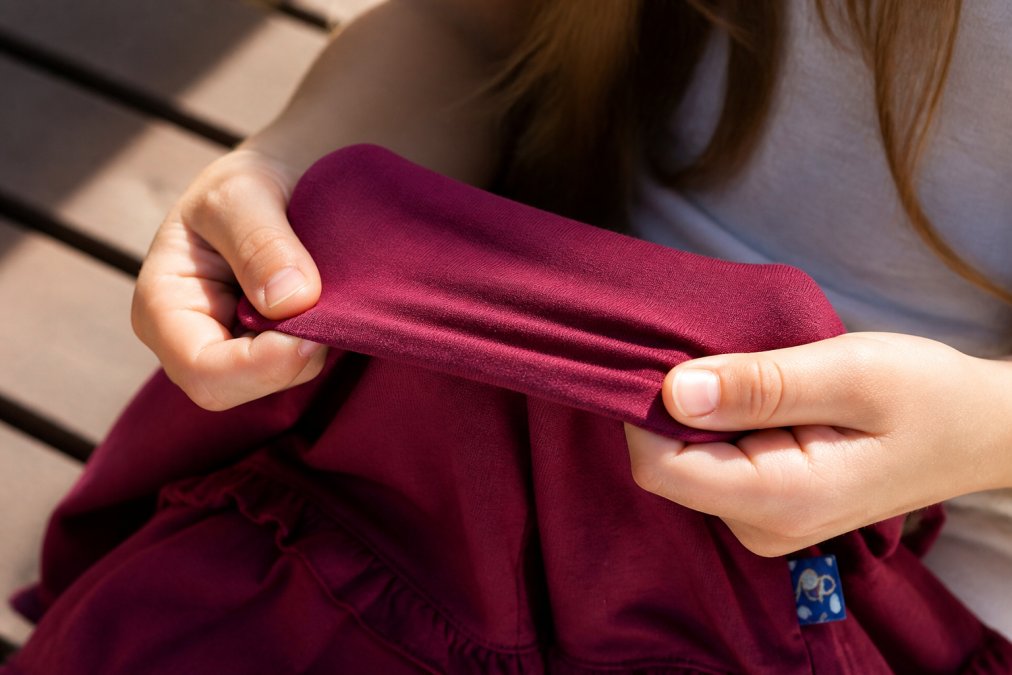
Bamboo viscose and organic cotton dominate sensory-friendly clothing for good reason. Bamboo viscose is naturally hypoallergenic, moisture-wicking, and incredibly soft (peer-reviewed research). It breathes well, regulates temperature, and doesn't trap heat, critical for tweens who overheat in synthetic materials.
Avoid polyester blends, acrylic, and heavily processed synthetics. These trap moisture, create static, and often feel scratchy to children with tactile sensitivity. Lightweight, breathable fabrics work better than heavy knits; a thick garment often makes tweens feel trapped or restricted, even if the fit is loose.
Construction Details That Matter
Flat-seam construction is non-negotiable. Flat seams lie flush against the skin instead of creating ridges. Look for descriptions like "flat-lock seams" or "seamless construction."
Tagless design removes the most common irritant entirely. Some brands use printed size labels instead of woven tags. If a garment has a tag, it should be soft and placed at the side seam, never at the neck.
Elastic should be soft and non-binding. Sensory-smart clothing uses wider, softer elastic that distributes pressure evenly. Some brands use adjustable drawstrings or magnetic closures instead of traditional elastic.
Cuffs and collar openings should be smooth and stretchy, not rigid. Look for ribbed or stretchy necklines that feel gentle rather than restrictive.
Tagless Pajamas for Sensitive Skin
Pajamas matter most, your child spends 8+ hours in them. Tagless pajamas for sensitive skin should be your baseline. The ideal set combines tagless design with a snug fit that feels secure without being restrictive. Many children with sensory processing disorder seek proprioceptive input; they want to feel held by their clothing. A snug fit provides that calming pressure without discomfort (peer-reviewed research).
Bamboo fabric naturally regulates temperature, critical since tweens often overheat at night, disrupting sleep and amplifying sensory sensitivity the next day.
The Kickee Pants Falcon Snow Kids Bamboo Pajama Set ($19.99) exemplifies this approach. These long-sleeve pajamas feature buttery-soft bamboo fabric, a snug fit designed for safety and comfort, and a completely tagless design. The fabric is 95% viscose from bamboo with 5% spandex.

Sensory Friendly Underwear for Tweens
Standard underwear often features elastic leg bands, seams at the crotch, and tags that create constant irritation. Sensory friendly underwear for tweens should be tagless with flat seams and soft, non-restrictive elastic. Some children prefer seamless styles entirely.
Many sensory-friendly brands use bamboo or organic cotton blends, which breathe better and feel softer than standard cotton. Avoid anything with elastic that leaves marks or feels tight.
Sensory Processing Disorder Clothing Tips
Children with sensory processing disorder experience the world differently. A seam that barely registers to most children creates genuine discomfort for a child with SPD. The goal is to remove unnecessary sensory friction so they can function.
Addressing Fastener Sensitivity
Zippers, buttons, and snaps are common meltdown triggers. Many children experience fastener sensitivity; the texture and pressure create overwhelming sensory input. Elastic waistbands are the simplest solution.
Magnetic closures are emerging as a game-changer. They fasten securely without the tactile challenge of traditional fasteners. If your tween needs button-front shirts, look for larger buttons made from smooth materials like wood or ceramic rather than plastic.
Compression Clothing and Calming Pressure
Compression clothing provides proprioceptive input, a deep pressure that many children with sensory needs find profoundly calming. Unlike restrictive clothing, compression garments apply even, gentle pressure across large muscle groups.
Compression shirts, shorts, or leggings work well under regular clothing or as loungewear. Many tweens report feeling "held" or "grounded," a sensation that reduces anxiety and improves focus.
The Happy Hugs Weighted Plush Bulldog ($49.99) combines deep pressure with tactile comfort. The 2.5-pound weighted interior provides gentle compression when resting on the lap, chest, or stomach. The high-pile plush with wrinkle ridges adds tactile exploration opportunities.
How to Transition Your Tween to Sensory-Friendly Clothing
Switching to sensory clothing works best when you involve your tween in the process. Tweens are old enough to understand their sensory needs and have style preferences.
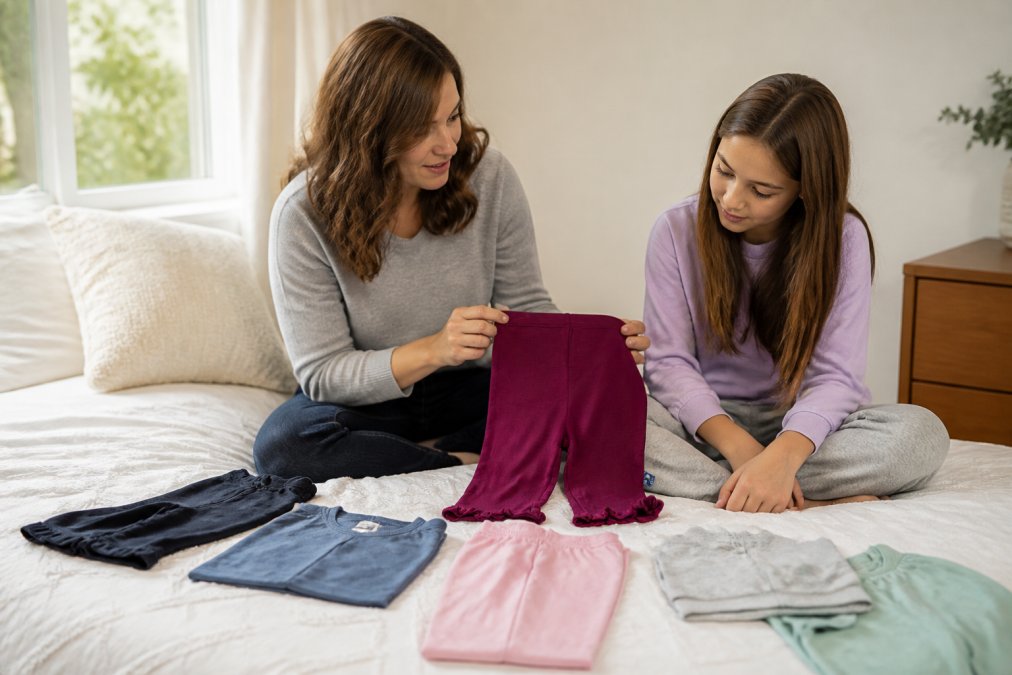
Start by letting them feel different fabrics. Bring home samples and let them explore textures without pressure. Ask what feels good and what doesn't.
Introduce one new sensory piece at a time rather than overhauling their entire wardrobe. Maybe start with pajamas, since those don't carry social pressure. Once they experience better sleep, they're more open to trying sensory clothing for daytime wear.
Give them choices within sensory options. A tween who chooses their clothing is far more likely to wear it consistently.
Expect a transition period. If your child has worn standard clothing their whole life, sensory pieces might feel different initially. Give them 3-5 wearings before deciding whether a piece works.
Address the style concern directly. Tweens worry about looking different from peers. Sensory-friendly clothing no longer means cutesy or babyish. Doodlebug's Children's Boutique offers styles that look age-appropriate; the sensory benefits are invisible to everyone else. The ruffle detail on our Bamboo Ruffle Pants in Berry ($12.99) adds style while the tagless, flat-seam construction handles the sensory work.

DIY Sensory Modifications for Existing Clothes
You don't need to replace your tween's entire wardrobe immediately. Many pieces can be modified to become sensory-friendly.
Removing tags: Use small scissors to carefully cut out woven tags, leaving a small amount of fabric so the seam doesn't unravel. Some parents add a soft fabric label with their child's name instead.
Flattening seams: If your tween tolerates a garment except for rough internal seams, sew a thin strip of soft fabric over the seam on the inside to create a buffer.
Softening elastic: Tight waistbands can sometimes be softened by gently stretching them while damp, then air-drying. For severely tight waistbands, consider replacing the elastic entirely.
Converting buttons or zippers: If your tween loves a particular shirt but can't tolerate the buttons, sew a magnetic closure system over the buttons instead.
Adding compression: Layer compression shirts under regular clothing for proprioceptive input without the sensory clothing being visible.
Top Sensory-Friendly Clothing Picks for Tweens
1. Bamboo Ruffle Pants: Comfort Meets Style
The Girls Bamboo Ruffle Pants in Berry ($12.99) represent what sensory-friendly clothing should be: genuinely comfortable and age-appropriate in style. Made from 95% viscose from bamboo and 5% spandex, these pants deliver the soft, breathable feel that sensory-sensitive tweens need without looking babyish.
Flat seams prevent irritation, the tagless design eliminates the most common trigger, and the relaxed fit with stretch allows freedom of movement. The ruffle detail adds visual interest and style, important for tweens who want to feel confident. UPF 50+ sun protection is a bonus feature.
2. Kickee Pants Bamboo Pajama Set: Bedtime Bliss
The Kickee Pants Falcon Snow Kids Bamboo Pajama Set ($19.99) sets the standard for sensory pajamas. Long-sleeve, snug-fitting, and completely tagless, these pajamas combine buttery-soft bamboo, breathable construction, and thoughtful design.
The snug fit is intentional. It provides the proprioceptive input many children crave, that sense of being gently held, without binding or tight seams. The fabric is 95% viscose from bamboo with 5% spandex, naturally hypoallergenic and breathable.
The snug fit meets safety standards without requiring flame retardants, and the breathable fabric reduces overheating, a common sleep disruptor.
3. Sensory Support Tools That Pair With Clothing
While clothing handles tactile sensory needs, complementary tools address proprioceptive and vestibular input.
The Thingamajig Fun Sensory Pillow Activity Toy ($24.99) offers multiple tactile experiences without being distracting in a classroom. With straps, zippers, buttons, cords, and buckles, it's silent and small enough to fit in a backpack. For tweens who need to keep their hands busy to maintain focus, this is a game-changer.

The Calming Stretchy Band Fidget Toy by Bouncyband ($14.99) offers proprioceptive input. Stretching the softly resistant band engages sensory awareness and provides a satisfying tactile experience. It's washable, durable, and works for both fidgeting and imaginative play.
The Portable Wiggle Seat with Handle in Teal ($24.99) brings movement-based sensory input to stationary situations. The flexible nubs provide tactile choice, and the disc causes the body to stabilize itself, improving posture and core strength while providing the continuous movement many tweens with ADHD require to focus.
| Sensory Clothing Feature | Why It Matters | What to Look For |
|---|---|---|
| Tagless design | Eliminates most common irritant | No woven tags; printed labels acceptable |
| Flat-seam construction | Prevents ridge irritation | "Flat-lock seams" or "minimal seaming" in description |
| Bamboo or organic cotton fabric | Soft, breathable, hypoallergenic | 95%+ natural fiber content |
| Soft, non-restrictive elastic | Prevents pressure-point discomfort | Wide, gentle elastic; consider drawstring alternatives |
| Snug (not tight) fit | Provides calming proprioceptive input | Fitted design without binding; allows full movement |
| Moisture-wicking properties | Keeps skin dry and comfortable | Bamboo viscose or performance blends |
| Age-appropriate style | Reduces social anxiety about looking different | Designs tweens actually want to wear |
The journey toward sensory-friendly clothing is individual. What works for one tween might not work for another. The goal is finding pieces that eliminate unnecessary sensory friction so your child can focus on their day.
Start with one piece, pajamas are ideal, and expand from there. Involve your tween in the process. Let them feel fabrics and have input on style. This isn't about forcing them into "special" clothing; it's about giving them tools that help them feel better and function better.
At Doodlebug's Children's Boutique, we've built our collection around this principle. Our sensory-friendly pieces are designed with both comfort and style in mind. The Bamboo Ruffle Pants and Kickee Pants pajamas aren't compromise options; they're genuinely good clothing that happens to work for sensory needs.
Your tween deserves clothing that feels good, looks good, and lets them be themselves. Sensory-friendly options make that possible.
=== FAQ ANSWERS (audit these too, same rules) ===
[1] Q: What features should I look for in sensory-friendly clothing for tweens? A: Focus on tagless designs, flat-seam construction, and soft-touch fabrics like organic cotton or bamboo viscose. Avoid clothing with irritating fasteners like rigid zippers or snaps; look for elastic waistbands or magnetic closures instead. Breathable, moisture-wicking materials help regulate temperature and reduce tactile defensiveness. Ensure seams are smooth and interior tags are removed or printed directly on fabric. These features work together to minimize sensory triggers and clothing meltdowns.
[2] Q: Are bamboo fabrics better for sensory-sensitive children? A: Yes, bamboo viscose is excellent for sensory sensitivity. It's naturally hypoallergenic, incredibly soft, and breathable, making it ideal for children with tactile sensitivity or sensory processing disorder. Bamboo fabric is gentle on sensitive skin, moisture-wicking to prevent overheating, and temperature-regulating. The Kickee Pants Falcon Snow Pajama Set ($19.99) uses 95% bamboo viscose, offering the comfort tweens need without irritation. Bamboo also holds up well through multiple washes, making it durable for everyday wear.
[3] Q: How do I transition a tween to sensory-friendly clothing without sacrificing style? A: Start by involving your tween in the selection process, let them choose colors and styles they actually like. Introduce one sensory-friendly piece at a time rather than overhauling their entire wardrobe. Look for age-appropriate designs that don't look 'babyish,' such as the Girls Bamboo Ruffle Pants in Berry ($12.99), which combines comfort with contemporary style. Explain the benefits in terms they understand: less itching, better focus, more comfort. Build confidence by pairing sensory-friendly basics with their favorite accessories or character-themed items to create outfits they're excited to wear.
[4] Q: What can I do if my tween has severe sensory issues with fasteners like zippers and buttons? A: Look for clothing with elastic waistbands, drawstrings, or magnetic closures instead of traditional fasteners. Many sensory-friendly brands offer fastener-free options specifically designed for children with severe tactile defensiveness. You can also modify existing clothes by replacing rigid zippers with soft fabric or removing snaps entirely. Compression garments and weighted clothing can provide proprioceptive input that calms sensory-seeking behavior. If your tween experiences meltdowns from specific fasteners, prioritize clothing that eliminates those triggers entirely, the initial investment pays off in reduced stress for both you and your child.
[5] Q: Do ADHD and autism-related sensory issues require different clothing approaches? A: While both ADHD and autism can involve sensory sensitivities, the specific triggers vary by child. Children with autism often struggle with tactile defensiveness, seams, tags, and tight fits cause distress. ADHD-related sensory needs may include seeking proprioceptive input through compression or weighted clothing for self-regulation. Start by identifying your tween's individual triggers rather than assuming their diagnosis dictates clothing needs. Tagless, seamless designs work for most sensory-sensitive children regardless of diagnosis. Pair clothing with sensory tools like the Happy Hugs Weighted Plush Bulldog ($49.99) to provide additional calming input tailored to their specific needs.
Frequently Asked Questions
Q: What features should I look for in sensory-friendly clothing for tweens?
A: Focus on tagless designs, flat-seam construction, and soft-touch fabrics like organic cotton or bamboo viscose. Avoid clothing with irritating fasteners like rigid zippers or snaps; look for elastic waistbands or magnetic closures instead. Breathable, moisture-wicking materials help regulate temperature and reduce tactile defensiveness. Ensure seams are smooth and interior tags are removed or printed directly on fabric. These features work together to minimize sensory triggers and clothing meltdowns.
Q: Are bamboo fabrics better for sensory-sensitive children?
A: Yes, bamboo viscose is excellent for sensory sensitivity. It's naturally hypoallergenic, incredibly soft, and breathable, making it ideal for children with tactile sensitivity or sensory processing disorder. Bamboo fabric is gentle on sensitive skin, moisture-wicking to prevent overheating, and temperature-regulating. The Kickee Pants Falcon Snow Pajama Set ($19.99) uses 95% bamboo viscose, offering the comfort tweens need without irritation. Bamboo also holds up well through multiple washes, making it durable for everyday wear.
Q: How do I transition a tween to sensory-friendly clothing without sacrificing style?
A: Start by involving your tween in the selection process, let them choose colors and styles they actually like. Introduce one sensory-friendly piece at a time rather than overhauling their entire wardrobe. Look for age-appropriate designs that don't look 'babyish,' such as the Girls Bamboo Ruffle Pants in Berry ($12.99), which combines comfort with contemporary style. Explain the benefits in terms they understand: less itching, better focus, more comfort. Build confidence by pairing sensory-friendly basics with their favorite accessories or character-themed items to create outfits they're excited to wear.
Q: What can I do if my tween has severe sensory issues with fasteners like zippers and buttons?
A: Look for clothing with elastic waistbands, drawstrings, or magnetic closures instead of traditional fasteners. Many sensory-friendly brands offer fastener-free options specifically designed for children with severe tactile defensiveness. You can also modify existing clothes by replacing rigid zippers with soft fabric or removing snaps entirely. Compression garments and weighted clothing can provide proprioceptive input that calms sensory-seeking behavior. If your tween experiences meltdowns from specific fasteners, prioritize clothing that eliminates those triggers entirely, the initial investment pays off in reduced stress for both you and your child.
Q: Do ADHD and autism-related sensory issues require different clothing approaches?
A: While both ADHD and autism can involve sensory sensitivities, the specific triggers vary by child. Children with autism often struggle with tactile defensiveness, seams, tags, and tight fits cause distress. ADHD-related sensory needs may include seeking proprioceptive input through compression or weighted clothing for self-regulation. Start by identifying your tween's individual triggers rather than assuming their diagnosis dictates clothing needs. Tagless, seamless designs work for most sensory-sensitive children regardless of diagnosis. Pair clothing with sensory tools like the Happy Hugs Weighted Plush Bulldog ($49.99) to provide additional calming input tailored to their specific needs.
This article was written using GrandRanker