
Table of Contents
- Why Clothing Tags Cause Sensory Irritation
- Understanding Sensory Processing and Tactile Sensitivity
- Tagless Pajamas for Sensitive Skin: What Makes Them Different
- Best Fabrics for Sensory Friendly Clothing
- Sensory Friendly Clothing Brands and What to Look For
- How to Remove Clothing Tags Without Damaging Fabric
- Design Features That Reduce Sensory Triggers
- Finding Sensory Friendly Clothes That Actually Look Good
Last Updated: August 22, 2026
Why Clothing Tags Cause Sensory Irritation
Clothing tags trigger genuine physical discomfort for many children, particularly those with sensory processing differences. Tags create localized pressure points against the skin, especially at the neck and shoulders where fabric bunches. For children with heightened tactile sensitivity, this pressure registers as intense discomfort or pain. Tags are typically made from stiff synthetic materials like nylon or polyester that don't breathe or conform to skin movement. When a child with sensory sensitivities wears a garment with a traditional label, the tag rubs against the same spot repeatedly throughout the day, triggering meltdowns, clothing refusal, or persistent scratching that damages skin.
Tags also represent unpredictable sensory input. Children can't anticipate when they'll feel the tag's edge or when it might shift during movement. This unpredictability is particularly challenging for kids with autism or ADHD, who struggle with unexpected sensory experiences. Removing or replacing tags addresses both the physical discomfort and the psychological stress of not knowing when irritation will occur.
Understanding Sensory Processing and Tactile Sensitivity
Sensory processing disorder affects how the nervous system receives and interprets sensory information (peer-reviewed research). Children with this condition experience heightened responses to stimuli that other kids barely notice. Tactile defensiveness, an exaggerated response to touch, is one of the most common manifestations, making clothing tags, seams, and fabric textures feel intolerable (the NIH).
The sensitivity isn't a preference or behavioral issue. What feels soft to most children might feel scratchy or irritating to a child with tactile sensitivity. Sensory-friendly clothes without itchy tags address this fundamental neurological difference by removing or redesigning elements that trigger discomfort.
Understanding your child's specific sensory triggers is essential. Some children struggle primarily with tags and seams, while others are bothered by tight elastic, rough textures, or heavy fabrics. Observation and experimentation help identify which design features matter most for your child's comfort.
Tagless Pajamas for Sensitive Skin: What Makes Them Different
Tagless pajamas are designed without printed or sewn labels, eliminating the primary irritant that triggers sensory distress. Instead of a traditional tag, manufacturers either print size and care information directly on fabric using soft printing methods or place labels on the inside seam where they're less likely to contact skin.
Quality tagless designs also feature flat seams, soft-knit construction, and non-restrictive fits that accommodate sensory sensitivities. The fabric itself is typically softer and more breathable than conventional children's sleepwear, reducing overall tactile irritation.
Tagless pajamas are particularly valuable for nighttime wear because children spend 8+ hours in them without the ability to adjust or remove irritating elements. A child who can tolerate a tagged shirt during the day might refuse to wear tagged pajamas to bed, leading to sleep disruption for the entire family. Switching to tagless pajamas often resolves bedtime resistance and improves sleep quality significantly.
At Doodlebug's Children's Boutique, families often start with tagless pajamas as their entry point into sensory-friendly clothing. Our Kickee Pants Falcon Snow Kids Bamboo Pajama Set exemplifies this approach, constructed from soft bamboo fabric with completely seamless tag placement and a gentle, non-restrictive fit that works for kids who've rejected every other pajama option.

Best Fabrics for Sensory Friendly Clothing
The fabric itself determines whether sensory-friendly clothing actually feels comfortable. Several materials consistently perform well for children with tactile sensitivity.
Organic cotton is the gold standard for sensory-friendly clothing. It's soft, breathable, and doesn't trap heat or moisture against skin. Organic varieties avoid synthetic pesticides and harsh chemical processing, resulting in naturally gentler fabric (usda.gov). The downside is cost, typically 20-30% higher than conventional cotton.
Bamboo fabric offers exceptional softness with natural temperature regulation. Bamboo is hypoallergenic and naturally antimicrobial, making it ideal for children with sensitive skin prone to irritation or eczema. The silky texture many children with tactile sensitivity find soothing rather than irritating. Our Girls Bamboo Ruffle Pants in Berry demonstrate how bamboo's natural softness and breathability create clothing that feels like a hug rather than a constraint.

Soft-knit materials like jersey knit provide gentle stretch and conform to the body without creating tight pressure points. These fabrics move with the child, reducing friction and unexpected sensory input.
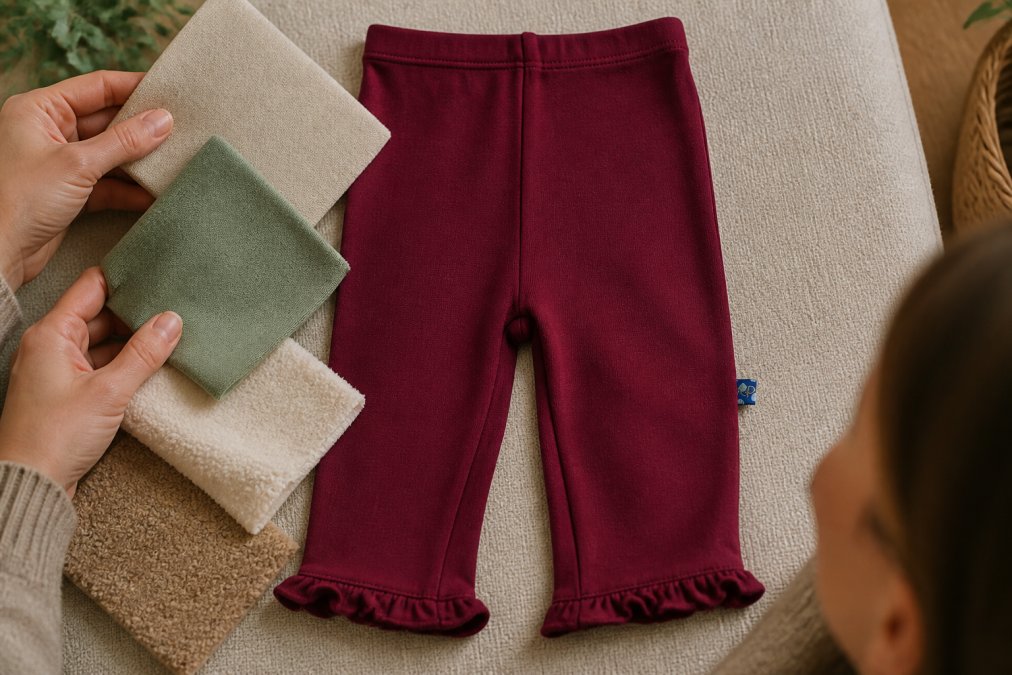
Merino wool works well for temperature-sensitive children because it naturally regulates heat without overheating. High-quality merino is surprisingly soft and doesn't itch like traditional wool.
Avoid synthetic blends, polyester, and heavily processed fabrics that feel stiff or plasticky. These materials trap heat, don't breathe well, and often have a texture that bothers children with sensory sensitivities. Fabric weight matters too, most children with sensory sensitivities do best with medium-weight fabrics that provide gentle pressure without constriction.
Sensory Friendly Clothing Brands and What to Look For
Finding clothing brands that genuinely understand sensory-friendly design requires looking beyond marketing claims to actual construction details.
What to evaluate when choosing a brand:
- Tag placement and removal: Completely tagless or labels placed on seams away from skin contact
- Seam construction: Flat seams or seamless construction that won't irritate sensitive skin
- Fabric composition: Organic, bamboo, or other naturally soft materials
- Fit design: Non-restrictive cuts with gentle elasticity rather than tight waistbands
- Care instructions: Fabrics that maintain softness through repeated washing
- Price transparency: Clear information about materials and construction methods
- Return policies: Ability to return items if they don't work for your child's sensitivities
Doodlebug's Children's Boutique specializes in sensory-friendly options that meet these criteria. We carry items like our Kids Bamboo Pajamas Sugar Cookies and Kids Bamboo Pajamas Hanukkah Cookies, which feature soft-knit bamboo construction and flat seam design that sensory-sensitive children actually tolerate.
Common mistakes parents make include focusing solely on the tagless feature while ignoring seam quality, choosing brands based on price alone, and assuming all bamboo or organic clothing performs equally. The most important factor is hands-on evaluation, feeling the fabric, checking seam placement, and observing your child's actual response.
How to Remove Clothing Tags Without Damaging Fabric
For children who already have favorite garments but struggle with tags, careful tag removal extends wardrobe options without requiring replacement purchases.
Safe tag removal requires the right tools and technique:
-
Use small, sharp scissors or a seam ripper rather than attempting to tear tags away.
-
Locate the tag's stitching carefully. Most tags are sewn with two or three lines of stitching along the top edge.
-
Cut only the thread, not the fabric. Position your scissors so you're cutting thread while the fabric lies flat.
-
Remove thread pieces completely. After cutting stitches, gently pull the tag away and remove any remaining thread fragments.
-
Inspect the removal area. Check that no loose threads remain and that the fabric edge is smooth.
-
Consider replacing with soft alternatives. Some parents use fabric paint to write size information directly on the inside seam, or attach soft fabric labels using hand-stitching.
This DIY approach works best for children ages 5 and up who can tolerate the brief handling required. For younger children or those with extreme tactile defensiveness, purchasing tagless clothing from the start is more practical.
Design Features That Reduce Sensory Triggers
Beyond fabric choice and tag removal, specific design elements significantly impact whether clothing triggers sensory distress.
Flat or seamless seams prevent the internal ridge that creates pressure and irritation against skin. Flat seam construction keeps the seam flush with fabric, eliminating the irritant entirely. Seamless construction removes seams altogether in key areas like the torso and sleeves.
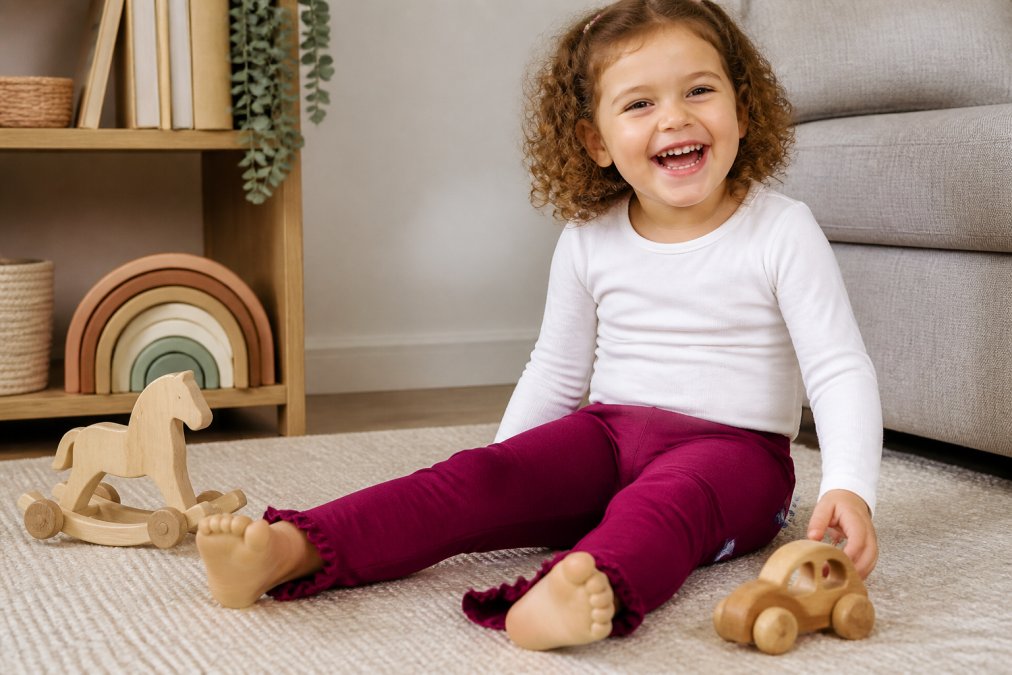
Non-restrictive elastic in waistbands and cuffs should provide gentle support without creating tight pressure points. Quality sensory-friendly clothing uses softer elastic materials or wider elastic bands that distribute pressure more evenly.
Neckline design matters significantly because the neck is a high-sensitivity area. Crew necklines without tags or rough edges work better than turtlenecks or high collars that create constant neck contact.
Sleeve and pant length should provide coverage without excess fabric bunching. Proper fit eliminates irritating folds at wrists and the discomfort of exposed skin. Our Kickee Pants Falcon Snow Kids Bamboo Pajama Set includes thoughtful length proportions designed specifically for children's proportions.
Breathable construction prevents heat and moisture buildup that triggers sensory distress. Lightweight, breathable materials allow air circulation and prevent the clammy feeling that bothers many kids.
Minimal embellishments reduce visual and tactile complexity. Embroidered designs, appliqués, and decorative stitching create textured areas that trigger discomfort. Simple, smooth designs work better than heavily decorated options.
Finding Sensory Friendly Clothes That Actually Look Good
One of the biggest challenges parents face is finding sensory-friendly clothing that children actually want to wear. Many functional sensory options look clinical or babyish, making older children refuse them despite genuine comfort benefits.
A 10-year-old with sensory sensitivities won't wear pajamas that look like they're designed for toddlers, regardless of comfort. When children feel self-conscious about their clothing, they're more likely to remove it or experience anxiety about wearing it in social situations. Sensory-friendly clothing that looks contemporary and age-appropriate dramatically improves wearing compliance and reduces daily stress.
Look for brands that offer character themes, current color palettes, and silhouettes that match what peers are wearing. Doodlebug's Children's Boutique carries options like our Kids Bamboo Pajamas PAW Patrol Halloween, which combines sensory-friendly construction with beloved character themes that appeal to children across age ranges.

Involve your child in selection when possible. Even young children often have strong preferences about colors, patterns, and styles. Allowing choice within sensory-friendly options increases the likelihood that a child will actually wear the garment and builds confidence.
Quality sensory-friendly clothing doesn't require sacrificing style. The best options look like regular children's clothing while incorporating the design features that eliminate sensory triggers.
Finding sensory friendly clothes without itchy tags transforms daily routines for children with sensory sensitivities. The right clothing reduces meltdowns, improves sleep, and builds confidence. Doodlebug's Children's Boutique specializes in sensory-friendly options that combine genuine comfort with designs children actually want to wear. Explore our curated collection of tagless, soft-fabric clothing made from organic and bamboo materials, and discover how quality sensory-friendly design can make a meaningful difference in your child's daily experience.
Frequently Asked Questions
Q: What are the best fabrics for sensory friendly clothes without itchy tags?
A: Bamboo fabric, organic cotton, and soft-knit materials are top choices for sensory friendly clothing. Bamboo is hypoallergenic, breathable, and incredibly soft against the skin. Organic cotton eliminates pesticide residue that can irritate sensitive skin. Look for moisture-wicking materials that prevent sweat buildup, which can trigger irritation. Avoid synthetic blends and rough textures that may increase tactile defensiveness.
Q: Why are tagless pajamas for sensitive skin better than traditional options?
A: Tagless pajamas eliminate one major sensory trigger: the printed label scraping against skin. For children with sensory processing disorder or tactile sensitivity, tags cause constant irritation and distraction. Tagless designs use flat seams and seamless construction instead, creating a smooth garment surface. This design approach reduces clothing-related meltdowns and allows children to focus on sleep rather than discomfort.
Q: How do I know if my child has sensory issues with clothing?
A: Signs include constant complaints about seams, tags, or fabric texture; refusing to wear certain clothes; meltdowns during dressing; picking at seams or labels; or avoiding certain materials. Children with autism, ADHD, or sensory processing disorder often experience texture aversion. If your child exhibits these behaviors, switching to sensory friendly clothing with flat seams, tagless construction, and soft natural fibers often resolves the issue quickly.
Q: How do I remove clothing tags without damaging the fabric?
A: Use small, sharp scissors or a seam ripper to carefully cut the stitching holding the tag. Cut close to the seam, not the fabric itself. Pull the tag away gently once stitches are cut. For printed labels, use a fabric-safe adhesive remover on any remaining glue. Work slowly to avoid creating holes or loose threads. For a permanent solution, switch to tagless sensory friendly clothing brands that eliminate this step entirely.
Q: Are bamboo fabrics good for sensory-sensitive children?
A: Yes, bamboo fabric is excellent for sensory sensitivity. It's hypoallergenic, naturally soft, and breathable, making it ideal for children with skin sensitivity or tactile defensiveness. Bamboo regulates temperature and moisture, preventing sweat buildup that triggers irritation. The fabric maintains softness through multiple washes when cared for properly, making it a durable choice for families managing sensory needs.
Q: What sensory friendly clothing brands should I trust?
A: Look for brands that prioritize flat seams, tagless construction, and natural fabrics like bamboo or organic cotton. Quality sensory friendly clothing brands provide detailed fabric descriptions, mention hypoallergenic materials, and address specific sensory needs. Check for fair-trade certifications and sustainable practices. Read reviews from parents of children with sensory processing disorder or autism to understand real-world performance before purchasing.
This article was written using GrandRanker