
Table of Contents
- Why Tagless Pajamas for Sensitive Skin Actually Matter
- Best Fabric for Eczema Sleepwear: Organic Cotton, Bamboo, and Beyond
- How to Choose Pajamas for Sensitive Skin: What to Check Before You Buy
- Top Tagless Pajamas for Sensitive Skin: Our Picks
- Sensory Friendly Clothing for Kids: Beyond the Pajama Label
- Cost-Per-Wear: Is Spending More Worth It for Sensitive Skin Pajamas?
- Which Tagless Pajamas for Sensitive Skin Should You Choose?
- Conclusion
Last Updated: August 19, 2026
Finding tagless pajamas for sensitive skin that actually work is harder than it sounds. At Doodlebug's Children's Boutique, we hear from parents every week whose children scratch through the night, strip off their clothes at bedtime, or melt down before reaching the pillow. Below, we'll walk through exactly what to look for, which fabrics perform best for eczema-prone and sensory-sensitive kids, and our honest picks for the best tagless pajamas for sensitive skin in 2026.
Quick Picks:
- Best Overall: Doodlebug's Children's Boutique sensory-friendly collection, curated for tagless, organic, and bamboo options with fair-trade sourcing
- Best for Eczema: The Eczema Company Remedywear Pajamas, TENCEL with zinc-embedded fibers
- Best Organic Cotton: Hanna Andersson HannaJams, GOTS-certified, flatlock seams, gets softer with every wash
- Best Bamboo: Kyte Baby Bamboo Pajamas, temperature-regulating, tagless, excellent durability
- Best TENCEL Modal: Tealbee Toddler Pajamas, flat seams, sensory-friendly design, contoured fit
Why Tagless Pajamas for Sensitive Skin Actually Matter
Tagless construction is a non-negotiable starting point for reactive skin, but it's only one piece of a larger puzzle. Tagless pajamas for sensitive skin address a real physiological problem: the nerve endings in children's skin are more densely packed than in adults, meaning friction and pressure that adults barely notice can feel genuinely painful to a child with eczema or sensory sensitivities.
According to the National Eczema Association's guidance on clothing and eczema, fabric choice and construction details like seams and labels are among the most controllable environmental factors in managing skin flare-ups. When your child's skin barrier is compromised, a scratchy neck tag or raised seam can trigger an inflammatory response that disrupts sleep for hours.
The Itch-Scratch Cycle and Nighttime Flare-Ups
The itch-scratch cycle is self-reinforcing: irritated skin triggers scratching, scratching damages the skin barrier further, and a damaged barrier becomes even more reactive. Nighttime is the worst window because body temperature rises during sleep, histamine levels peak in the evening, and there's no conscious distraction to interrupt scratching.
Fabrics that trap heat accelerate this process. Synthetic materials like polyester hold moisture against the skin and raise localized temperature, creating conditions that trigger eczema flares. Breathable, moisture-wicking fabrics, particularly bamboo viscose, TENCEL, and organic cotton, pull heat and moisture away from the skin rather than holding it in.
Sensory Processing Disorder and Sleepwear Sensitivity
Sensory processing disorder is a neurological condition where the brain processes sensory input differently, making ordinary textures feel overwhelming or painful. For children with SPD, the wrong pajama can make sleep feel impossible.
The overlap between SPD and eczema is significant. Many children with sensory sensitivities also have reactive skin, and the two conditions compound each other. What looks like a behavioral bedtime problem is often a genuine sensory or physical response to clothing that doesn't meet the child's neurological needs.
Best Fabric for Eczema Sleepwear: Organic Cotton, Bamboo, and Beyond
The best fabric for eczema sleepwear breathes well, wicks moisture, avoids chemical treatments, and stays soft wash after wash.
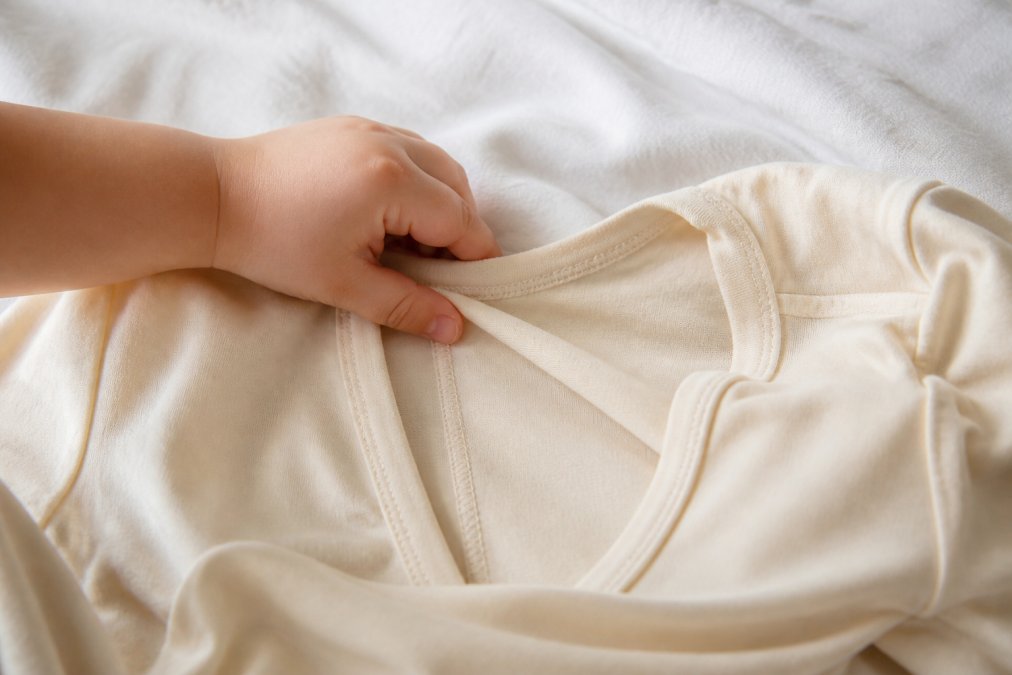
Organic Cotton and Long-Staple Varieties
Organic cotton's key distinction is fiber length. Long-staple varieties like Pima cotton produce longer fibers that create a smoother, denser weave with fewer loose ends to irritate skin. GOTS-certified organic cotton means the fiber was grown without synthetic pesticides and processed without harmful chemicals. OEKO-TEX STANDARD 100 certification means the finished fabric has been tested for over 100 harmful substances. Hanna Andersson's HannaJams carry both certifications, which is why they've earned a loyal following among parents of children with reactive skin.
Bamboo Viscose and TENCEL Modal
Bamboo viscose and TENCEL (a branded lyocell fiber made from wood pulp) are semi-synthetic fibers that produce an exceptionally smooth fiber surface with minimal friction. Both materials are naturally moisture-wicking and temperature-regulating. TENCEL Modal, used in Tealbee's toddler pajamas, is often softer than cotton with a silkier hand feel and holds its shape well through repeated washing. Bamboo viscose, used in Kyte Baby and Little Sleepies, has a slightly cooler feel that works well for children who overheat at night.
How to Choose Pajamas for Sensitive Skin: What to Check Before You Buy
Knowing how to choose pajamas for sensitive skin means looking past front-of-package claims and checking the construction details that actually determine comfort.
Flat-Lock Seams, Heat-Printed Labels, and Elastic Waistbands
Flat-lock seams are sewn so the seam allowance lies flat against the fabric rather than creating a raised ridge. For a child with sensory sensitivities, the difference between a standard seam and a flat-lock seam is the difference between a pajama they'll wear and one they'll tear off at 10 p.m.
Heat-printed labels replace woven tags with ink printed directly onto the fabric, eliminating the stiff, scratchy label entirely. Some brands use "tagless" to mean the label has been cut out, leaving a rough stub of thread. Look specifically for "heat-printed" or "printed label" language.
Elastic waistbands are a genuine point of contention for sensory-sensitive children. Wide, soft elastic with no exposed rubber is usually tolerable. Narrow elastic or tight waistbands that leave marks are common triggers.
OEKO-TEX Certification, Non-Toxic Dyes, and Laundry Detergent Compatibility
OEKO-TEX STANDARD 100 certification is the clearest signal that a finished garment is free from harmful substances. Non-toxic dyes matter separately from fabric choice. According to the American Academy of Dermatology's guidance on eczema triggers, laundry detergent residue is one of the most commonly overlooked contact allergens for children with eczema. Wash all new pajamas twice before wearing, use fragrance-free detergent, and skip fabric softener entirely.
Top Tagless Pajamas for Sensitive Skin: Our Picks
These pajamas are recommended based on construction quality, fabric performance, and real-world feedback from parents of sensory-sensitive and eczema-prone children.
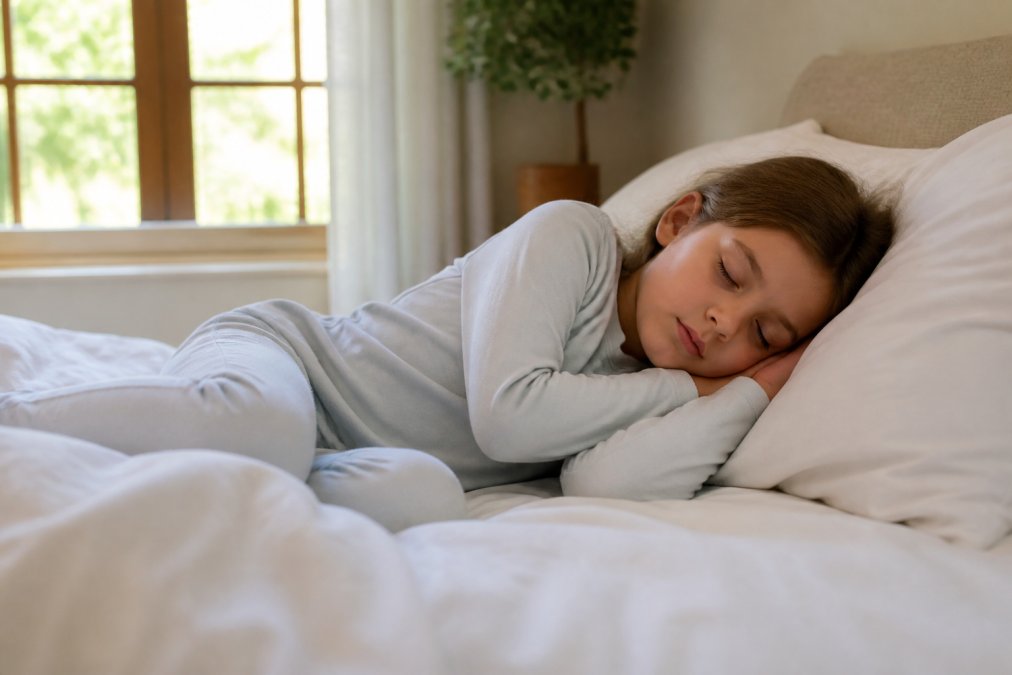
1. Doodlebug's Children's Boutique Sensory-Friendly Collection, Best Overall
Doodlebug's Children's Boutique is our top pick because it's a source specifically curated for sensory-sensitive children and tweens, including older kids who need styles that don't feel juvenile. The collection focuses on tagless designs, organic cotton, and bamboo materials with fair-trade sourcing as actual selection criteria, not marketing language. For parents who've wasted money on pajamas that promised comfort and delivered scratching, that editorial filter is invaluable.
Best for: Children of all ages with sensory processing disorder, eczema, or autism, including tweens who need age-appropriate styles.
2. Kyte Baby Bamboo Pajamas, Best for Temperature Regulation
Kyte Baby's bamboo pajamas are made from 97% rayon from bamboo and 3% spandex. The spandex gives gentle stretch without bunching, while bamboo viscose handles temperature regulation well for children who overheat at night. Tagless labels and soft elastic waistbands are genuine. Construction holds up well through repeated washing with proper care.
Pros: Exceptional softness, breathable, durable, true tagless construction. Cons: Specific care instructions required; higher initial cost.
3. Hanna Andersson HannaJams, Best Organic Cotton
HannaJams are made from 100% organic combed cotton rib knit, GOTS-certified and OEKO-TEX STANDARD 100 certified. The flatlock seams are genuinely flat. These are the pajamas that parents of children with eczema return to year after year. Note: the snug fit required by CPSC safety standards can feel restrictive to sensory-sensitive children. Size up if your child is sensitive to compression.
Pros: Softens with every wash, extremely durable, certified organic and free from harmful substances. Cons: Snug fit may not suit all sensory profiles; higher investment.
4. Little Sleepies Two-Piece Pajama Set, Best for Hot Sleepers
Little Sleepies uses their proprietary Lunaluxe Bamboo Viscose fabric, which has a buttery surface texture that minimizes friction on irritated skin. Tagless construction and smooth seams make these a strong choice for children with active eczema. The moisture-wicking properties are real for children who sweat heavily at night.
Pros: Buttery-soft texture, moisture-wicking, wide range of prints. Cons: Bamboo viscose is semi-synthetic; prone to pilling without proper care.
5. The Eczema Company Remedywear Pajamas, Best for Active Eczema
Remedywear pajamas are the most medically targeted option on this list. The TENCEL fabric is embedded with zinc, which has documented anti-inflammatory properties for skin health. According to research on zinc textiles for eczema management, zinc-embedded fabrics have shown measurable benefit in reducing itch and skin inflammation in atopic dermatitis. Flat seams, tag-free labels, and moisture-wicking construction make these ideal for severe eczema.
Pros: Dermatologist-reviewed, zinc-embedded fibers support skin repair, moisture-wicking. Cons: Some pieces sold individually; specific care required.
6. Colored Organics Kids' Pajama Sets, Best Chemical-Free Option
Colored Organics uses GOTS-certified organic cotton and avoids synthetic dyes and chemical finishes. These pajamas get softer with every wash. Size range currently runs through size 6.
Pros: GOTS-certified, chemical-free dyes, softens with washing. Cons: Limited size range; less stretch than bamboo blends.
7. Tealbee Toddler Pajamas (TENCEL Modal), Best for Toddlers with Sensory Sensitivity
Tealbee's TENCEL Modal pajamas are softer than cotton and more substantial than thin bamboo options. The flat seams and tagless construction are well-executed, and the contoured fit accommodates diapers without pulling or bunching.
Pros: Softer than cotton, flat seams, durable, diaper-friendly fit. Cons: Limited color and pattern options; modal is semi-synthetic.
8. Apple Park Woodland Dreams Pajama Set, Best Eco-Friendly Pick for Babies
Apple Park's bamboo and organic cotton blend produces lightweight, stretchy fabric with a tagless neckline and ribbed cuffs that stay snug without constricting. OEKO-TEX certified printing means prints are free from harmful chemicals.
Pros: Eco-friendly materials, OEKO-TEX certified prints, stretchy and lightweight. Cons: Limited size range; specific care instructions required.
| Pajama | Fabric | Key Certification | Best For |
|---|---|---|---|
| Doodlebug's Boutique | Organic, bamboo, mixed | Fair-trade curated | All ages, SPD, tweens |
| Kyte Baby | Bamboo viscose/spandex | None listed | Hot sleepers, toddlers |
| Hanna Andersson HannaJams | Organic cotton | GOTS, OEKO-TEX | Eczema, durability |
| Little Sleepies | Bamboo viscose | None listed | Active eczema, hot sleepers |
| Remedywear | TENCEL + zinc | Dermatologist-reviewed | Severe eczema |
| Colored Organics | Organic cotton | GOTS | Chemical sensitivity |
| Tealbee | TENCEL Modal | CPSC compliant | Toddlers, SPD |
| Apple Park | Bamboo/organic cotton blend | OEKO-TEX | Eco-conscious, babies |
Sensory Friendly Clothing for Kids: Beyond the Pajama Label
Sensory friendly clothing for kids extends beyond pajamas. The details that matter for sleepwear apply equally to daytime clothing.
Fasteners, Waistbands, and Fit for Sensory-Sensitive Children
Zippers, buttons, and snaps are among the most common sensory triggers for children with SPD or autism. A zipper pull against the chin or a snap creating pressure at the wrist can be genuinely intolerable. For children who experience meltdowns around fasteners, the solution is simple: eliminate them. Wide, covered elastic waistbands are the most reliable alternative. The elastic should be at least an inch wide, fully enclosed in fabric, and soft enough that it leaves no mark after an hour of wear.
Seasonal Layering Strategies for Reactive Skin
The biggest mistake with seasonal dressing for reactive skin is layering synthetic materials against the body. A breathable bamboo base layer loses most of its benefit if covered with a polyester fleece that traps heat and moisture. For cooler months, use a thin, breathable base layer in bamboo or TENCEL, followed by a loose-weave organic cotton mid-layer. For summer, a single layer of moisture-wicking bamboo viscose or TENCEL is usually sufficient. The goal is to keep the skin surface cool and dry, as overheating at night is one of the most reliable eczema flare triggers.
Cost-Per-Wear: Is Spending More Worth It for Sensitive Skin Pajamas?
The honest answer is yes. A well-constructed bamboo or organic cotton pajama that retains softness through 100 washes costs less per wear than a cheap synthetic set that pills after 10 washes. The real cost of the wrong pajama isn't just the purchase price, it's the night wakings, morning irritability, and skin flare-ups that require additional management. Match the investment to the specific need rather than buying the most expensive option by default.
Which Tagless Pajamas for Sensitive Skin Should You Choose?
The right tagless pajamas depend on your child's specific sensory profile and skin condition:
- Active eczema with nighttime scratching: Start with Remedywear (zinc-embedded TENCEL) or Hanna Andersson HannaJams (certified organic cotton, flatlock seams).
- Sensory processing disorder with texture sensitivity: Tealbee TENCEL Modal or Kyte Baby bamboo for the smoothest surface feel.
- Hot sleepers or children who overheat at night: Little Sleepies bamboo viscose or Kyte Baby for moisture-wicking and temperature regulation.
- Chemical sensitivity or eco-conscious priority: Colored Organics (GOTS-certified, no synthetic dyes) or Apple Park (OEKO-TEX certified prints).
- Tweens or older children who need age-appropriate styles: Doodlebug's Children's Boutique curated collection, which specifically addresses this gap.
- Fastener sensitivity: Any pull-on design with wide covered elastic, prioritizing this construction detail over fabric type.
Treat the first purchase as a test, not a commitment. Buy one set, wash it twice with fragrance-free detergent, and observe your child's response over several nights before buying multiples.
Choosing sleepwear for a child with reactive skin or sensory sensitivities is genuinely difficult, and marketing language around "soft" and "gentle" makes it harder. Doodlebug's Children's Boutique curates its collection specifically to cut through that noise, focusing on tagless construction, organic and bamboo materials, and fair-trade sourcing as actual selection criteria. Browse the sensory-friendly collection at Doodlebug's Children's Boutique to find options that match your child's specific needs, from toddler bamboo sets to age-appropriate styles for tweens who've outgrown babyish options.
Frequently Asked Questions
What are the best pajamas for sensitive skin?
The best pajamas for sensitive skin combine tagless construction, flat-lock seams, and fabrics like organic cotton, bamboo viscose, or TENCEL modal. Look for OEKO-TEX certified materials free from non-toxic dyes and harsh chemicals. Brands like Kyte Baby, Hanna Andersson, Little Sleepies, and Tealbee are consistently recommended for children with eczema-prone or reactive skin. Doodlebug's Children's Boutique curates sensory-friendly options specifically chosen for kids who need extra comfort at night.
Which is better for eczema, bamboo or cotton?
Both work well, but they suit different needs. Bamboo viscose is naturally moisture-wicking and temperature-regulating, which helps reduce nighttime overheating, a common eczema trigger. Organic cotton, especially long-staple varieties like Pima cotton, is breathable and gets softer with each wash. For severe eczema, bamboo or TENCEL modal often wins on smoothness and cooling. For children who run cool or prefer a more structured feel, GOTS-certified organic cotton is a reliable choice.
Why are tagless pajamas recommended for sensory processing disorder?
Children with sensory processing disorder (SPD) experience ordinary tactile sensations, like a small tag or raised seam, as genuinely painful or overwhelming. A standard sewn-in label can trigger meltdowns, sleep refusal, or prolonged distress. Tagless pajamas use heat-printed labels or remove labels entirely, eliminating that point of friction. Combined with flat-lock seams and soft fabrics, they reduce the total sensory load so children can fall asleep and stay asleep more easily.
How do I wash pajamas for sensitive skin without causing irritation?
Use a fragrance-free, dye-free detergent formulated for sensitive skin, standard detergents often leave residue that irritates eczema-prone skin. Wash in cold water on a gentle cycle and avoid fabric softeners, which can coat fibers and reduce breathability. Skip dryer sheets too. For bamboo viscose and modal pajamas, tumble dry on low to preserve softness and prevent pilling. Always rinse thoroughly to remove any detergent trace, especially for children with contact dermatitis.
Do sensory-friendly pajamas come in styles older kids will actually wear?
Yes. Several brands offer sensory friendly clothing for kids through tween sizes, with age-appropriate prints and minimal, non-babyish designs. The key features, tagless labels, flat seams, elastic waistbands, are built into the construction rather than the look, so older children get the comfort benefits without the cutesy aesthetic. When shopping, filter by size range and check that the design reads as age-appropriate, since sensory needs do not disappear as children grow.
This article was written using GrandRanker