
Table of Contents
- What Makes Bamboo Clothing for Kids Different
- Is Bamboo Fabric Safe for Eczema and Sensitive Skin
- Breathability, Thermoregulation, and Moisture-Wicking
- Bamboo Viscose vs Cotton for Babies and Young Kids
- Sustainability and What Eco-Conscious Parents Should Know
- The Benefits of Bamboo Clothing for Kids With Sensory Needs
- How to Wash Bamboo Baby Clothes and Kids' Apparel
- Conclusion
Last Updated: August 19, 2026
What Makes Bamboo Clothing for Kids Different
Bamboo clothing for kids is apparel made from fibers derived from the bamboo plant, processed into a soft, breathable fabric that differs significantly from conventional cotton or synthetic blends. At Doodlebug's Children's Boutique, we've curated bamboo apparel specifically for children with sensitive skin, sensory processing needs, and parents seeking thoughtful purchasing decisions. This guide covers how the fabric is made, which certifications matter, how it compares to cotton, and how to care for it properly.
Bamboo viscose fabric offers moisture-wicking performance, thermoregulation, and hypoallergenic properties that few other textiles match at comparable price points.
From Bamboo Plant to Bamboo Viscose Fabric
Most bamboo children's clothing is made from bamboo viscose, also called bamboo rayon. Raw bamboo stalks are pulped, dissolved in a chemical solution, and extruded through fine spinnerets to create soft fibers. The resulting fabric feels luxurious but is technically semi-synthetic. The bamboo plant itself is sustainable; responsible manufacturing captures and recycles solvents in a closed-loop system.
A smaller category uses mechanical bamboo linen production, which avoids harsh chemicals but yields coarser fabric. For children's sleepwear and everyday wear, bamboo viscose dominates because of its superior softness.
Certifications to Look For
Not all bamboo fabric is produced equally. Key certifications include:
- OEKO-TEX Standard 100: Tests finished fabric for harmful substances, including residual chemicals from the viscose process.
- GOTS (Global Organic Textile Standard): Covers environmental and social criteria across the supply chain for organic bamboo blends.
- Bluesign: Focuses on responsible chemical use during textile manufacturing.
- Fair Trade Certified: Verifies ethical labor practices at the production level.
According to the OEKO-TEX certification standards for textiles, certified fabrics are tested for over 100 harmful substances, making the label a reliable signal that garments are safe for direct skin contact, including for infants.
Is Bamboo Fabric Safe for Eczema and Sensitive Skin
Bamboo fabric is widely regarded as one of the safest textile choices for children with eczema, sensitive skin, or skin barrier conditions. The fiber structure of bamboo viscose is smooth and round at the microscopic level, which does not scratch or irritate skin the way rougher weaves can.
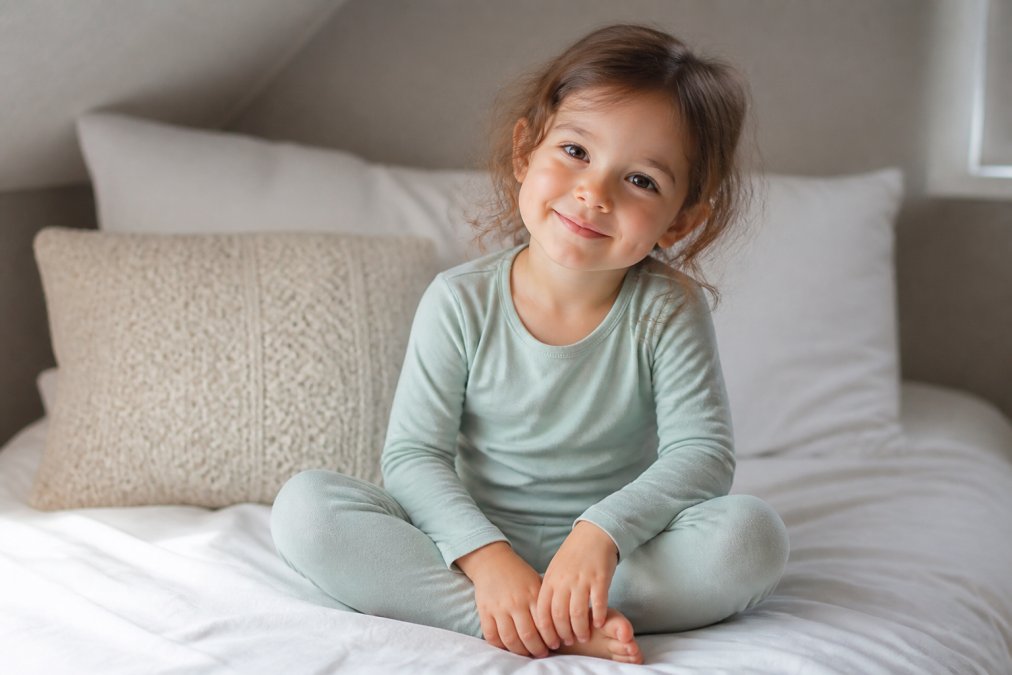
The hypoallergenic properties come from minimal surface friction and natural resistance to dust mites, a common eczema trigger. Bamboo fabric is also free from finishing chemicals that many conventional textiles carry, provided it holds relevant certification like OEKO-TEX Standard 100. The National Eczema Association's guidance on clothing for eczema specifically identifies smooth, natural-fiber fabrics as preferable for managing flare-ups.
One caveat: children with extreme chemical sensitivities should look for OEKO-TEX-certified garments to confirm residual solvent levels are within safe limits.
Breathability, Thermoregulation, and Moisture-Wicking
Bamboo viscose has a natural cross-sectional structure that creates micro-gaps in the weave, allowing air to circulate freely against the skin. The fabric stays cool in warm weather and provides thermal comfort in cooler temperatures, a property called thermoregulation.
For children, this matters significantly. Kids regulate body temperature less efficiently than adults, and overheating during sleep is a documented pediatric health concern. Bamboo's moisture-wicking properties pull perspiration away from the skin quickly, keeping children dry and comfortable through the night. This makes bamboo pajamas particularly strong compared to cotton, which absorbs moisture and holds it against the skin.
Breathable fibers also reduce heat rash and prickly heat in infants and toddlers. For children with sensory sensitivities, feeling damp or overheated can trigger significant distress.
Bamboo Viscose vs Cotton for Babies and Young Kids
The bamboo viscose vs cotton debate is worth examining honestly, because cotton is not a poor fabric. The real question is whether bamboo's additional properties justify the cost difference.
| Feature | Bamboo Viscose | Organic Cotton |
|---|---|---|
| Softness | Silky soft, smooth fiber | Soft, slightly textured |
| Moisture-wicking | Strong wicking, dries quickly | Absorbs moisture, slower to dry |
| Thermoregulation | Regulates both warm and cool | Good in moderate temps |
| Hypoallergenic | Smooth fiber, low irritation risk | Natural, low irritation risk |
| Pilling resistance | Moderate with proper care | Generally good |
| Sustainability | Bamboo plant grows fast; process varies | Organic farming reduces pesticides |
| UPF protection | UPF 50+ common in bamboo weaves | Lower UPF without treatment |
| Certifications | OEKO-TEX, Bluesign | GOTS, OEKO-TEX |
Softness and Skin Feel
Bamboo viscose consistently feels softer than standard cotton at equivalent thread counts. The fiber is naturally smooth, which is why it's often compared to cashmere. For babies and toddlers whose skin is thinner and more reactive, this difference in surface texture matters.
Organic cotton is a legitimate alternative for families prioritizing a fully natural fiber. The softness gap narrows with high-quality organic cotton, but bamboo viscose remains the benchmark for children with sensory sensitivities.
Durability, Pilling Resistance, and Cost-Per-Wear
Bamboo viscose can pill if washed incorrectly or tumble-dried on high heat. With proper care, well-made bamboo garments maintain softness and color through many wash cycles, outperforming fast-fashion cotton alternatives.
Cost-per-wear is the honest metric. A bamboo outfit costing more upfront but surviving two years of active wear is cheaper per use than a lower-cost cotton item that pills or fades after a season. Bamboo fabric resists odor-causing bacteria more effectively than cotton, meaning garments stay fresher between washes and require fewer wash cycles, reducing both wear and environmental impact.
Sustainability and What Eco-Conscious Parents Should Know
Bamboo is one of the fastest-growing plants on earth, requiring no pesticides, minimal water, and no replanting after harvest. According to the USDA's overview of sustainable textile fibers, bamboo yields significantly more fiber per acre than cotton with a fraction of the agricultural inputs.
The manufacturing complication is that standard bamboo viscose production uses chemical solvents. Not all manufacturers recover and recycle those solvents responsibly. Closed-loop production, certified by Bluesign or verified through supply chain transparency, distinguishes genuinely eco-conscious bamboo apparel from greenwashing.
Eco-conscious parents should ask: Where is the bamboo grown, and what does the brand disclose about its manufacturing process? Brands citing certifications without explaining what they cover warrant scrutiny. Fair Trade certification verifies that workers are paid fairly and working in safe conditions.
The Benefits of Bamboo Clothing for Kids With Sensory Needs
For children with sensory processing disorders, autism, or ADHD, clothing is not a minor issue. The wrong fabric, seam placement, or label can make getting dressed a daily ordeal. Bamboo clothing addresses several common sensory triggers simultaneously.
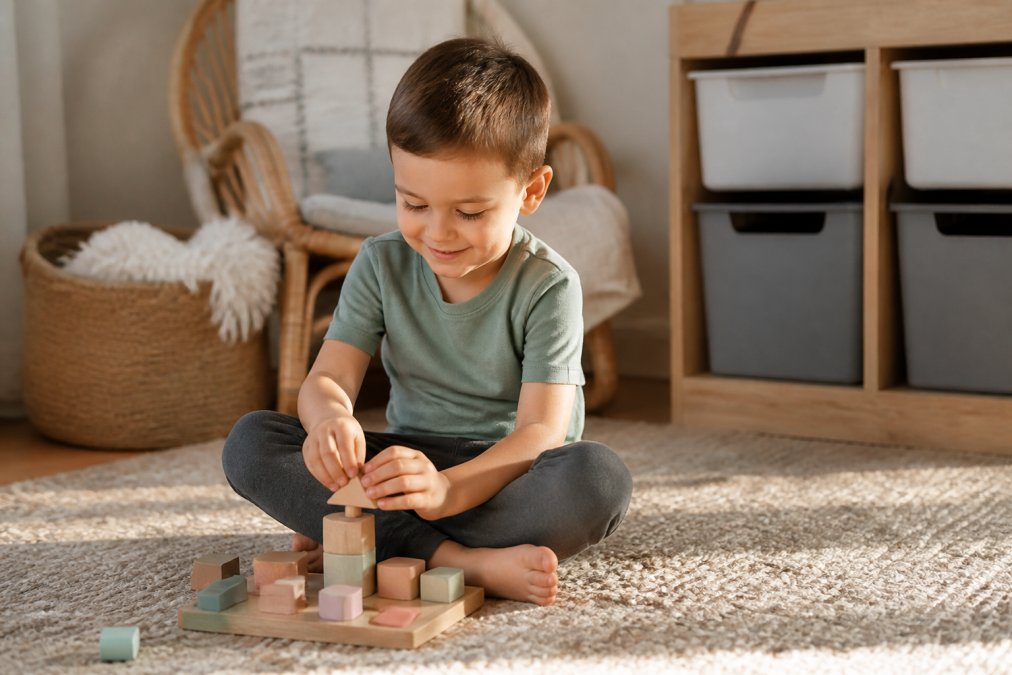
The silky soft texture of bamboo viscose reduces tactile defensiveness, the heightened sensitivity to touch many sensory kids experience. Unlike cotton jersey, which can feel scratchy after repeated washing, bamboo viscose maintains its smooth feel over time. Tag-less designs eliminate one of the most frequently cited sensory complaints.
Seam construction matters as much as fabric. Flat-seam and seamless construction removes pressure points that trigger discomfort during movement. For children struggling with clothing shifting or bunching, bamboo's drape and weight provide consistent, stable feel against the skin.
Temperature regulation is particularly relevant for sensory kids. Many children with sensory processing differences have difficulty communicating thermal discomfort and may escalate behaviorally when too hot or cold. Bamboo's thermoregulation reduces this variable, creating a more stable sensory environment.
Doodlebug's Children's Boutique collection focuses on this intersection: tag-less bamboo apparel designed for children needing comfort without compromise, including styles appropriate for older kids and tweens.
How to Wash Bamboo Baby Clothes and Kids' Apparel
Proper care is the single biggest factor in how long bamboo clothing lasts. The fabric is not fragile but responds poorly to heat and harsh detergents. Following a consistent care routine protects the fiber structure and maintains softness through years of use.
The FTC's Care Labeling Rule requirements for textile products requires all clothing sold in the United States to include accurate care instructions. General guidelines for bamboo viscose are:
Standard bamboo care routine:
- Wash in cold water on a gentle or delicate cycle
- Use mild, fragrance-free detergent without optical brighteners or bleach
- Turn garments inside out before washing
- Wash with similar colors
- Lay flat or hang to dry; avoid tumble drying when possible
- If machine drying is necessary, use the lowest heat setting
Common Washing Mistakes That Shorten Fabric Life
Hot water washing causes shrinkage and fiber damage. Cold water protects the fiber structure.
Harsh detergents with enzymes, bleach, or optical brighteners break down bamboo fibers over time. Fragrance-free, mild formulas extend garment life significantly.
High-heat tumble drying causes pilling and weakens the weave. Air drying is preferable. If using a dryer, low heat for a short cycle followed by immediate removal prevents most damage.
Overloading the washing machine creates friction that accelerates pilling. Wash bamboo items in smaller loads with similar fabrics.
| Washing Mistake | What Happens | The Fix |
|---|---|---|
| Hot water wash | Shrinkage, fiber breakdown | Cold water, gentle cycle |
| Harsh detergent | Fiber degradation, fading | Mild, fragrance-free formula |
| High-heat drying | Pilling, lost softness | Air dry or low-heat tumble |
| Overloaded machine | Surface pilling, friction damage | Smaller loads, similar fabrics |
| Wringing or twisting | Distorted shape | Press gently, lay flat to dry |
Choosing the right fabric for a child who struggles with sensory issues, skin irritation, or eczema genuinely changes daily life. Bamboo clothing for kids delivers on its core promises: softer feel, better moisture management, and a more stable sensory experience than most conventional fabrics. Doodlebug's Children's Boutique carries tag-less bamboo apparel designed specifically for children needing comfort-focused clothing, with options across ages and styles that don't sacrifice appearance for feel. Browse the collection to find bamboo clothing for kids that works as hard as your family does.
Frequently Asked Questions
Is bamboo fabric good for kids with eczema?
Bamboo fabric is widely considered eczema-friendly because its fibers are naturally smooth and less likely to irritate the skin barrier than rougher textiles. The hypoallergenic properties mean fewer synthetic additives come into contact with sensitive skin. For children prone to flare-ups, bamboo viscose pajamas and tops are often a dermatologist-recommended starting point. Always check for certifications like OEKO-TEX Standard 100, which confirms the fabric has been tested for harmful substances.
How do you wash and care for bamboo children's clothing?
Machine wash bamboo baby clothes and kids' apparel on a gentle or delicate cycle using cold water. Use a mild, fragrance-free detergent and skip fabric softener, which can break down bamboo viscose fibers over time. Tumble dry on low heat or air dry flat to preserve shape and softness. Avoid hot water and high dryer settings, as heat is the main cause of shrinkage and pilling in bamboo garments. Proper care significantly extends the usable life of each piece.
What is the downside of bamboo fabric?
The main drawback of bamboo clothing is that most of it is made through a chemical process that converts raw bamboo into bamboo viscose. While the finished fabric is soft and breathable, the manufacturing process can involve solvents. Choosing pieces certified by OEKO-TEX or GOTS helps ensure the final garment is free of harmful residues. Bamboo clothing also tends to cost more upfront than conventional cotton, though the durability and reduced skin irritation often make it a better long-term value.
Is bamboo fabric healthier than cotton for kids?
For children with sensitive skin, eczema, or sensory processing differences, bamboo viscose often outperforms conventional cotton. It is softer against the skin, naturally moisture-wicking, and less likely to trap heat. Organic cotton is a close alternative, but bamboo's thermal comfort and anti-bacterial properties give it an edge for sleepwear and all-day wear. The best choice depends on your child's specific needs; bamboo clothing for kids tends to shine most in pajamas, base layers, and any garment worn directly against the skin.
This article was written using GrandRanker