
Table of Contents
- Why Children Refuse to Wear Certain Clothing Textures
- What to Look for in Organic Baby Clothing
- Sensory-Friendly Organic Baby Clothes: Key Certifications
- Bamboo vs Organic Cotton for Babies
- How to Identify Greenwashing in Sustainable Apparel
- Durable, Budget-Friendly Organic Options
- End-of-Life Garment Recycling and Circular Fashion
- Conclusion
Last Updated: August 30, 2026
Why Children Refuse to Wear Certain Clothing Textures
Sensory sensitivities in children go far deeper than simple pickiness. When a child refuses to wear certain fabrics, complains about seams, or has a meltdown over tags, their nervous system is sending a genuine distress signal. For children with autism, sensory processing disorder, or generalized sensitivity, the wrong fabric isn't uncomfortable, it's overwhelming.
The brain processes touch differently in these children. What feels soft to you might feel scratchy or irritating to them. Synthetic fibers, rough seams, and especially tags can trigger genuine anxiety or avoidance behaviors. This isn't something they can simply "get over," and pushing them into uncomfortable clothing often backfires, creating negative associations with getting dressed.
Understanding this difference changes how you shop. Instead of forcing a child into whatever fits or looks good, you're solving a sensory problem. The goal becomes finding organic apparel alternatives that respect their nervous system while still offering age-appropriate style and durability.
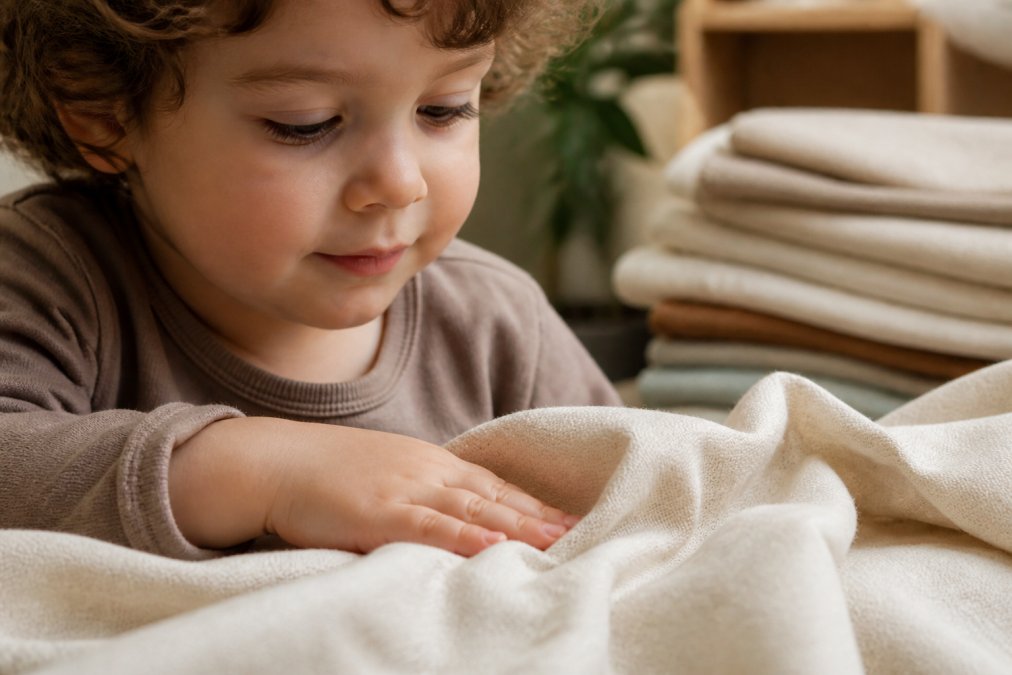
At Doodlebug's Children's Boutique, we've built our entire collection around this understanding. Tag-less designs, smooth seams, and breathable natural fibers aren't luxury features, they're essential accommodations. When you find the right organic apparel alternatives, getting dressed stops being a battle and becomes routine.
What to Look for in Organic Baby Clothing
The right organic apparel alternatives share specific characteristics that matter for sensitive skin and sensory comfort. You're not just looking for clothing that's labeled "organic", you're evaluating how it's constructed, what certifications back it, and how it will actually perform in your child's daily life.
Start with fiber content. Organic cotton and bamboo viscose are the primary natural fibers worth considering. Both breathe well, resist pilling, and feel softer against skin than conventional fabrics. Check the percentage: garments that are 80% or higher in natural fiber will feel noticeably different from blends heavy in synthetics.
Seam construction matters enormously for sensory-sensitive children. Flat-lock seams are gentler than traditional stitching. Tag-less labels or printed labels (instead of woven ones) eliminate one of the most common irritation points. Some children need elastic waistbands instead of button closures to avoid sensory triggers around fasteners.
Dye and chemical processing is where many brands cut corners. Look for certifications that verify low-impact dyes and chemical-free finishes. This protects both your child's skin and the environment during manufacturing.
Durability deserves equal weight with comfort. Organic fabrics can pill or lose shape if not constructed properly. Higher-quality organic apparel alternatives hold up through multiple wash cycles and maintain softness. Budget-friendly options might feel great initially but deteriorate quickly, forcing you to replace them constantly.
Sensory-Friendly Organic Baby Clothes: Key Certifications
Certifications exist to verify claims that brands make about their products. When shopping for organic apparel alternatives, these standards tell you what's actually been tested and confirmed versus what's just marketing language.
GOTS-Certified Cotton Benefits
GOTS-certified organic cotton is grown without synthetic pesticides, fertilizers, or genetically modified seeds (peer-reviewed research). The certification tracks the entire supply chain, from farm to finished garment. This means the cotton was grown responsibly, processed without toxic chemicals, and manufactured under fair labor conditions.
For sensory-sensitive children, GOTS certification matters because it guarantees the fabric was processed without harsh dyes or chemical finishes that can irritate skin. The certification also requires lower chemical residues in the final product. When a garment carries the GOTS label, you know the softness isn't coming from chemical treatments, it's the natural quality of the fiber itself.
Doodlebug's Children's Boutique carries several GOTS-certified options, including the Kids Organic Tee in Lobsters at $25.99, which features GOTS-certified organic cotton with eco-friendly OEKO-TEX dyes. This tee offers the sensory benefits parents seek, natural softness, breathability, and durability, without the sensory triggers of tags or rough seams.

GOTS certification also means the garment is more durable. The processing standards protect fiber integrity, so the fabric maintains its softness through dozens of wash cycles. For parents buying organic apparel alternatives on a budget, durability matters: clothing that lasts longer reduces the total cost of ownership.
OEKO-TEX and Non-Toxic Fabric Standards
OEKO-TEX certification focuses on chemical safety in the finished product (oeko-tex.com). The standard tests for harmful substances, heavy metals, formaldehyde, pesticide residues, and other chemicals that can irritate sensitive skin. A garment with OEKO-TEX certification has been independently tested and confirmed to be free from these harmful substances.
This certification is especially important for children with eczema, allergies, or chemical sensitivities. Non-toxic dyes mean the colors won't leach onto skin or cause reactions during wear or washing. The certification covers not just the fabric itself but also buttons, zippers, and thread, every component of the garment.
Many organic apparel alternatives use OEKO-TEX in combination with GOTS certification. The Kids Organic Tee mentioned above carries both: GOTS-certified cotton combined with OEKO-TEX eco-friendly dyes. This dual certification tells you the fiber is responsibly grown and the processing chemicals are safe.
When evaluating organic apparel alternatives, look for both certifications together when possible. GOTS ensures responsible farming and processing. OEKO-TEX confirms the final product won't irritate sensitive skin. Together, they represent the gold standard for sensory-friendly children's clothing.
Bamboo vs Organic Cotton for Babies
Both bamboo viscose and organic cotton are natural fibers suitable for sensitive skin, but they have different properties that matter for different situations. Understanding the differences helps you choose the right organic apparel alternatives for your child's specific needs.
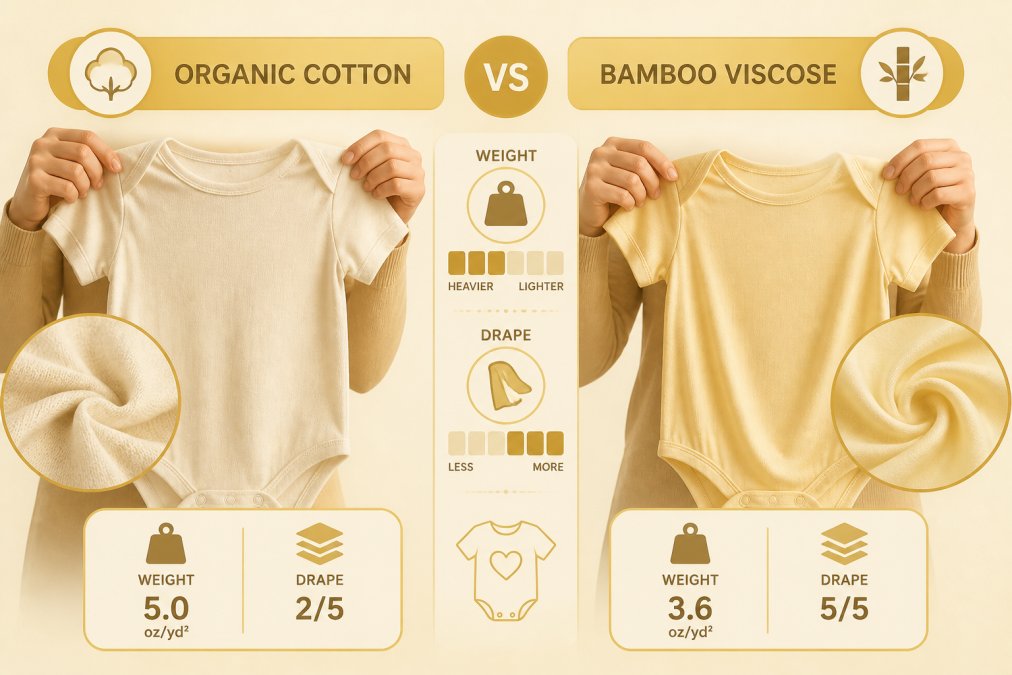
Organic cotton is grown without synthetic pesticides and processed into yarn and fabric. It's durable, breathable, and maintains its structure through many wash cycles. Cotton garments tend to be slightly heavier and hold their shape well. For children who need structure or predictability in how clothing feels, organic cotton provides consistent performance.
Bamboo viscose is made from bamboo pulp processed into fiber (peer-reviewed research). It's exceptionally soft, often softer than organic cotton, and has a slight sheen. Bamboo breathes extremely well and dries quickly, making it ideal for warmer weather or children who overheat easily. The downside: bamboo viscose is less durable than organic cotton and can pill more easily if not handled carefully.
For sensory-sensitive children, the choice often comes down to tactile preference. Some children prefer the weight and structure of organic cotton. Others find bamboo's silky softness more soothing. Many families use both: cotton for everyday wear and bamboo for pajamas or warm-weather clothing.
Durability is where organic cotton wins decisively. A high-quality organic cotton garment will outlast a bamboo piece by several years, even with identical care. If you're buying organic apparel alternatives on a budget, cotton offers better value over time because you won't need to replace items as frequently.
Environmental impact differs slightly between the two. Organic cotton requires more water during growing but is fully biodegradable. Bamboo grows faster and requires fewer inputs, but the viscose processing uses chemicals (though responsible manufacturers use closed-loop systems to minimize waste). Both are more sustainable than conventional cotton or synthetic fabrics.
How to Identify Greenwashing in Sustainable Apparel
Not every brand claiming to be "eco-friendly" or "sustainable" has the certifications to back it up. Greenwashing, making environmental claims without substantiation, is rampant in children's apparel. Learning to spot the difference protects your wallet and ensures you're actually buying organic apparel alternatives.
Red flags include vague language without specific certifications. Phrases like "made with natural fibers" or "eco-conscious" don't guarantee anything. A brand might use 20% organic cotton and 80% synthetic material and still claim to be "organic." Always check the actual fiber percentage listed on the product page.
Legitimate sustainable brands publish their certifications prominently. GOTS, OEKO-TEX, Fair Trade, and other recognized standards should be clearly stated. If a brand uses these terms but doesn't link to verification, that's a warning sign. You should be able to trace the certification back to the issuing organization.
Supply chain transparency is another differentiator. Brands serious about sustainability disclose where garments are made, what labor practices they follow, and how they handle waste. If a brand is vague about manufacturing or refuses to answer questions about their supply chain, they're likely cutting corners on sustainability claims.
Look for specific environmental commitments, not just general statements. "We care about the planet" means nothing. "We use GOTS-certified cotton, OEKO-TEX dyes, and plastic-free packaging" is verifiable and concrete. At Doodlebug's Children's Boutique, our Rebloomed Kids collection specifies that every purchase diverts one pound of plastic from oceans and landfills, a measurable commitment you can evaluate.
Price is also informative. Truly organic, fairly-made apparel costs more because certification, responsible manufacturing, and fair wages all add expense. If a brand is offering organic apparel alternatives at suspiciously low prices, they're likely compromising somewhere, whether on fiber quality, labor practices, or environmental standards.
Durable, Budget-Friendly Organic Options
Finding organic apparel alternatives that last doesn't require choosing between quality and affordability. The key is prioritizing durability in construction and fiber quality, then building a capsule wardrobe that maximizes outfit combinations.
Start with basics in natural fibers. A well-made organic cotton t-shirt or simple dress becomes the foundation for multiple outfits. The Piece Crewneck T-Shirt at $32.00 from Doodlebug's Children's Boutique is constructed from 60% organic cotton and 40% recycled polyester, designed for year-round wear with lightweight jersey fabric that holds up through repeated washing. Paired with different bottoms, a single quality tee creates multiple looks.

Layer strategically to extend the life of each piece and adapt to temperature changes. A breathable organic cotton base layer under a lightweight bamboo or cotton top works for multiple seasons. This approach reduces the total number of garments you need to purchase while maintaining comfort and sensory-friendly design.
| Garment Type | Price Range | Best For | Durability Expectation |
|---|---|---|---|
| Organic cotton t-shirt | $25-$35 | Daily wear, layering base | 2-3 years of regular use |
| Bamboo viscose pajamas | $30-$45 | Sleep, warm weather | 1.5-2 years before pilling |
| Organic cotton shorts | $35-$40 | Warm weather, play | 2-3 years |
| Mixed-fiber dress | $40-$50 | Occasion wear, photos | 3+ years if worn less frequently |
Quality construction extends durability significantly. Flat-lock seams resist unraveling. Reinforced hems and cuffs prevent fraying. Double-stitched seams in high-stress areas (crotch seams, armholes) last longer than single-stitched alternatives. When evaluating organic apparel alternatives, examine the seams closely, they're where cheap clothing fails first.
Washing practices matter as much as construction. Gentle, cold-water cycles preserve fiber integrity. Air-drying extends garment life compared to machine drying. Turning garments inside-out before washing reduces fading and pilling. Many families find that the slight extra effort in care pays off through significantly longer garment lifespan.
The Retro Pink Terry Shorts at $36.00 exemplify budget-friendly durability. Made from 80% organic cotton and 20% recycled polyester, these shorts are designed for comfort and longevity. The relaxed fit accommodates growing children, and the quality construction means they survive multiple children or years of wear before replacement becomes necessary.
End-of-Life Garment Recycling and Circular Fashion
Most organic apparel alternatives eventually wear out or no longer fit. How you handle that end-of-life stage determines whether the garment becomes landfill waste or re-enters the circular economy.
Donation is the simplest option. Gently worn garments in good condition go to families who need affordable clothing, extending the garment's useful life by several years. Thrift stores, community centers, and religious organizations accept children's clothing donations. This keeps the garment in use and reduces demand for new production.
Textile recycling programs accept worn-out garments that can't be worn again. These programs shred fabric and process it into new material, either for new textiles or for insulation, padding, and industrial applications. Search for textile recycling near you or mail garments to national programs that handle shipping.
Some brands, including those specializing in organic apparel alternatives, offer take-back programs. You return worn items, and the brand handles recycling or repurposing. This closes the loop and ensures responsible end-of-life management. When evaluating brands, ask whether they offer this option, it's a sign of genuine commitment to circular fashion.
Upcycling is another option for families interested in sustainability. Worn organic cotton t-shirts become pillows, blankets, or stuffed toys. Damaged garments become patches for other items or fabric for craft projects. This approach keeps material in use while teaching children about resourcefulness.
The environmental benefit of organic apparel alternatives extends beyond the purchase. Because these garments are made from natural fibers like organic cotton and bamboo viscose, they're fully biodegradable. When they do reach end-of-life, they break down naturally rather than persisting in landfills for decades like synthetic fabrics. This makes responsible disposal, whether through donation, recycling, or composting, genuinely meaningful.
Conclusion
Finding the right organic apparel alternatives for your child involves understanding sensory needs, recognizing legitimate certifications, and building a durable wardrobe that grows with them. The brands that excel in this space prioritize comfort and quality over fast fashion, using GOTS-certified organic cotton, OEKO-TEX dyes, and thoughtful construction that eliminates sensory triggers.
Doodlebug's Children's Boutique specializes in exactly this approach. Our tag-less, sensory-friendly designs use organic and recycled materials, fair-trade practices, and transparent manufacturing. From the GOTS-certified Kids Organic Tee at $25.99 to the beautifully constructed Star & Stripes Dress at $44.00, every piece is designed for children who need comfort without compromise. Start building your sensory-friendly capsule wardrobe with Doodlebug's Children's Boutique and discover clothing that your child actually wants to wear.

Frequently Asked Questions
What makes organic apparel alternatives to BabyToddandCo worth the investment?
Quality organic apparel alternatives offer GOTS-certified cotton, non-toxic dyes, and sensory-friendly construction that justify higher costs. Unlike conventional options, these alternatives eliminate pesticide residues and harsh chemicals, reducing skin irritation for sensitive children. Brands like Doodlebug's Children's Boutique prioritize fair-trade practices and transparent supply chains, ensuring your purchase supports ethical manufacturing. The durability of high-quality organic fabrics means fewer replacements over time, offsetting the initial price difference.
How do I identify truly organic and non-toxic baby apparel?
Look for GOTS (Global Organic Textile Standard) certification on labels, which verifies organic fiber content and prohibits harmful chemicals. OEKO-TEX 100 certification confirms eco-friendly dyes and heavy metal testing. Request supply chain transparency from brands; legitimate companies disclose manufacturing locations and labor practices. Avoid vague claims like 'natural' or 'eco-friendly' without third-party certification. Check product descriptions for specific material percentages and dye classifications. Sensory-friendly organic baby clothes should also specify tag-less construction and seam placement.
Why is bamboo fabric often recommended for children with sensory issues?
Bamboo viscose offers exceptional softness and breathability, making it ideal for sensory-sensitive skin. The fabric naturally regulates temperature and moisture, reducing irritation from sweat and friction. Bamboo requires fewer pesticides than conventional cotton during cultivation, resulting in fewer chemical residues on the finished garment. For children who refuse textured clothing, bamboo's smooth, silky hand feel often feels less threatening than rougher fabrics. When choosing between bamboo vs organic cotton for babies, bamboo excels in softness while organic cotton provides durability; many brands blend both for optimal comfort and longevity.
What certifications should I verify before buying sensory-friendly organic baby clothes?
Prioritize GOTS certification, which guarantees organic fiber sourcing and prohibits synthetic pesticides and GMOs. OEKO-TEX 100 ensures heavy metal and phthalate-free production. Look for Fair Trade certification to confirm ethical labor practices. Some brands also pursue Cradle to Cradle certification, indicating circular design principles. Verify that tag-less construction is explicitly stated, not just implied. Ask brands for third-party test results on dyes and chemical residues. Doodlebug's Children's Boutique products feature GOTS-certified organic cotton and OEKO-TEX eco-friendly dyes, meeting these standards.
This article was written using GrandRanker