
Table of Contents
- Understanding Sensory Meltdowns vs. Behavioral Meltdowns
- Why Tags and Seams Cause Sensory Distress
- Best Fabric for Sensory Processing Disorder
- How to Help Child with Clothing Sensitivity
- Sensory Processing Disorder Clothing Triggers Beyond Tags
- DIY Clothing Modifications for Immediate Relief
- Adult-Specific Sensory Needs: Extending Comfort Beyond Childhood
- Choosing Sensory-Friendly Apparel: A Step-by-Step Guide
Last Updated: August 27, 2026
Understanding Sensory Meltdowns vs. Behavioral Meltdowns
A sensory meltdown occurs when a child's nervous system becomes overwhelmed by sensory input, touch, sound, sight, or texture, triggering an involuntary stress response. A behavioral meltdown happens when a child is frustrated, tired, or testing boundaries; it's a response they can sometimes control with effort or redirection. A sensory meltdown is neurological. The child's brain is flooded with sensory information it cannot process, and the response is automatic.
For children with sensory processing disorder, autism spectrum conditions, or tactile defensiveness, clothing becomes a constant source of potential triggers. Tags scrape. Seams dig. Elastic waistbands constrict. Each sensation can cascade into overwhelming distress that derails the entire day.
This raises the question: do tagless clothes stop sensory meltdowns? The answer is nuanced. Removing tags eliminates one specific trigger, but sensory regulation involves multiple layers. Understanding what tagless clothing actually addresses, and what it doesn't, helps you build a genuine solution rather than chase a quick fix.
Why Tags and Seams Cause Sensory Distress
Tags create constant, unpredictable tactile input against the back of the neck or side seams. For a child with sensory processing disorder, that texture isn't mildly annoying, it's a persistent irritant that demands attention the nervous system cannot ignore. Children with heightened tactile sensitivity experience touch differently; their nervous system amplifies sensory signals (peer-reviewed research).
Seams present an even bigger challenge because they're permanent and unavoidable. Traditional seams create a pronounced line that catches skin and creates uneven pressure. For children with sensory regulation challenges, that uneven pressure becomes a constant distraction and source of dysregulation.
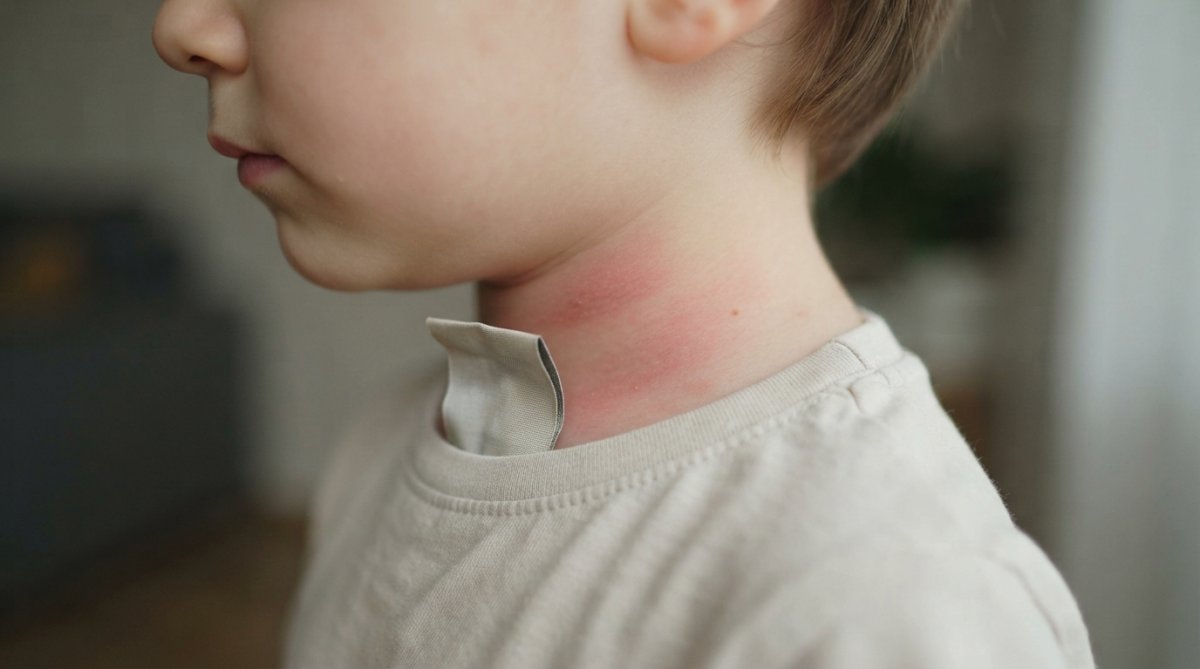
Beyond tags and seams, the fabric itself matters. Synthetic blends often feel stiff or plasticky against skin. They trap heat and moisture, creating thermal discomfort that compounds sensory overload. The research on tactile sensitivity shows that children with sensory processing disorder have heightened neural responses to light touch, meaning a tag that causes minor irritation in one child creates genuine distress in another (peer-reviewed research).
Best Fabric for Sensory Processing Disorder
Bamboo and Organic Cotton: The Science Behind Comfort
Bamboo fabric has become the go-to choice for sensory-friendly clothing because it delivers what children with sensory processing disorder actually need: softness that doesn't diminish with washing, breathability that reduces thermal dysregulation, and a smooth weave that minimizes tactile irritation.
Bamboo viscose is processed from bamboo pulp into fibers that are naturally softer than cotton at the microscopic level (peer-reviewed research). The fibers are rounder and smoother, which means less friction against skin. Bamboo also wicks moisture away from skin faster than cotton, reducing the sensation of dampness that can trigger sensory overload.
Organic cotton offers similar benefits without processing chemicals. Conventional cotton is treated with pesticides and synthetic dyes that can irritate sensitive skin. For families managing sensory regulation needs, bamboo tends to be softer initially but may pill more easily, while organic cotton holds up longer but feels slightly less soft.
Doodlebug's Children's Boutique offers bamboo options like the Girls Bamboo Ruffle Pants in Berry ($12.99), which combine sensory-friendly fabric with thoughtful design that eliminates common irritants.

Flat-Seamed Construction and Seamless Design
Flat-seamed construction reduces the ridge that traditional seams create. Instead of overlapping fabric layers that create a pronounced line, flat seams lie nearly flush against skin. Seamless construction goes further by eliminating seams entirely in high-contact areas like the torso and limbs.
The construction method matters more than most parents realize. A tagless shirt with traditional seams still creates dysregulation as a tagged shirt with traditional seams. Sensory-friendly apparel addresses the entire sensory profile, not just the tag.
How to Help Child with Clothing Sensitivity
Identifying Your Child's Specific Sensory Aversions
Before solving the problem, you need to know exactly what's triggering your child's distress. Many parents assume it's always tags, then discover their child is equally bothered by seams, elastic waistbands, or specific fabric textures.
Start by observing patterns. Does your child refuse certain clothing items consistently? Does the refusal happen immediately when dressing, or does distress build throughout the day? Ask direct questions if your child can communicate: "Does this feel scratchy?" Even non-verbal children often show clear signals, pulling at seams, tugging at the neck, refusing to put arms through sleeves.
Create a simple tracking system. When your child refuses clothing or has a meltdown related to dressing, note the item, the specific complaint if possible, and the time of day. After a week or two, patterns emerge. This identification process is crucial because it prevents wasted spending and lets you make targeted purchases that actually work.
Gradual Desensitization Strategies for Clothing Transitions
Some children benefit from gradual exposure to new clothing items. Rather than forcing a transition, introduce new sensory-friendly apparel slowly and pair it with positive experiences.
Start by letting your child touch and explore the fabric without pressure to wear it. Next, introduce wearing the item for very short periods, five minutes while doing something enjoyable. Pair the clothing transition with a preferred activity: wearing the new shirt while playing with a fidget toy, reading, or watching a favorite show. Gradually extend the wearing time as your child becomes comfortable.
For children with significant sensory processing disorder, having backup comfort clothing matters. A favorite sensory-friendly item that your child will reliably wear gives you something to return to if a new transition isn't working.
Sensory Processing Disorder Clothing Triggers Beyond Tags
Fasteners, Zippers, and Elastic Waistbands
Tags get the attention, but fasteners cause just as much distress for many children. Zippers can pinch skin and create unpredictable sensory input. Buttons require fine motor coordination that some children find stressful. Snaps create sharp tactile input. Elastic waistbands present constant pressure that creates sensory noise preventing regulation.
Many sensory-friendly clothing options use magnetic closures or seamless elastic that distributes pressure more evenly. The Kickee Pants Falcon Snow Kids Bamboo Pajama Set ($19.99) from Doodlebug's Children's Boutique uses snug-fit design that avoids tight waistbands while maintaining secure fit.

Thermal Regulation and Proprioceptive Feedback
Sensory regulation isn't just about avoiding irritation; it's also about providing the right sensory input. Some children need proprioceptive feedback, deep pressure input that helps organize their nervous system. Others need thermal comfort to prevent sensory overload from feeling too hot or too cold.
Bamboo fabric excels at thermal regulation because it breathes better than most alternatives. For children who overheat easily, bamboo reduces that trigger. Many children with sensory processing disorder prefer fitted pajamas over loose ones because the pressure is organizing rather than irritating.
DIY Clothing Modifications for Immediate Relief
Tag removal is the simplest modification. Use small scissors to carefully cut tags away, then trim any remaining threads that might irritate skin.
Seam modifications require more skill but deliver significant results. Flat-felled seams can be carefully unpicked and resewn as flat seams, reducing the ridge that causes irritation. This works best on simple garments like t-shirts or pajamas.
Waistband modifications address elastic-related distress. Replacing standard elastic with softer, wider elastic distributes pressure more evenly. Some parents replace elastic waistbands entirely with drawstring alternatives that give the child control over fit.
Fastener modifications include replacing zippers with magnetic closures, replacing buttons with snaps or velcro, or adding fabric panels that cover fasteners entirely. The advantage of modification is that you're working with clothing your child already knows and potentially likes.
Adult-Specific Sensory Needs: Extending Comfort Beyond Childhood
Sensory processing disorder doesn't resolve at adolescence. Many adults with autism spectrum conditions, ADHD, or sensory processing challenges continue to experience tactile sensitivity and clothing-related dysregulation throughout their lives.
Adult sensory-friendly clothing has historically been hard to find because the market assumed sensory needs were childhood issues. Adults need the same features as children, tagless construction, flat seams, breathable fabrics, soft textures, but with styling that works for adult life and professional environments.
The Minecraft: Chicken Jockey Bamboo Kids Pajama Short Set ($29.99) from Doodlebug's Children's Boutique includes tween and teen sizing, recognizing that sensory needs extend beyond early childhood. Adults often discover their sensory needs only after years of discomfort they attributed to pickiness or preference. Once they find clothing that works, the difference in daily regulation and emotional wellbeing is dramatic.
Choosing Sensory-Friendly Apparel: A Step-by-Step Guide
What to Look for When Shopping
Start with fabric composition. Look for bamboo, organic cotton, or high-quality cotton blends. Check the label for synthetic content; the lower the percentage of polyester or other synthetics, the better for sensory-sensitive skin. Avoid anything labeled "wrinkle-resistant" or "stain-resistant" because those treatments often involve chemicals that irritate sensitive skin.
Examine seam construction. Look for flat seams or seamless construction, particularly in high-contact areas like the neck, underarms, and waistbands. Run your finger along seams; they should feel smooth, not ridged.
Check for tags. Verify that all tags are removed or, at minimum, that they're soft and won't irritate skin. Some brands use woven labels that lie flat; others use printed labels that are genuinely irritant-free.
Evaluate fasteners. Count zippers, buttons, and snaps. For children with significant sensory aversion, minimizing fasteners reduces potential irritants. Look for elastic waistbands that are soft and not overly tight.
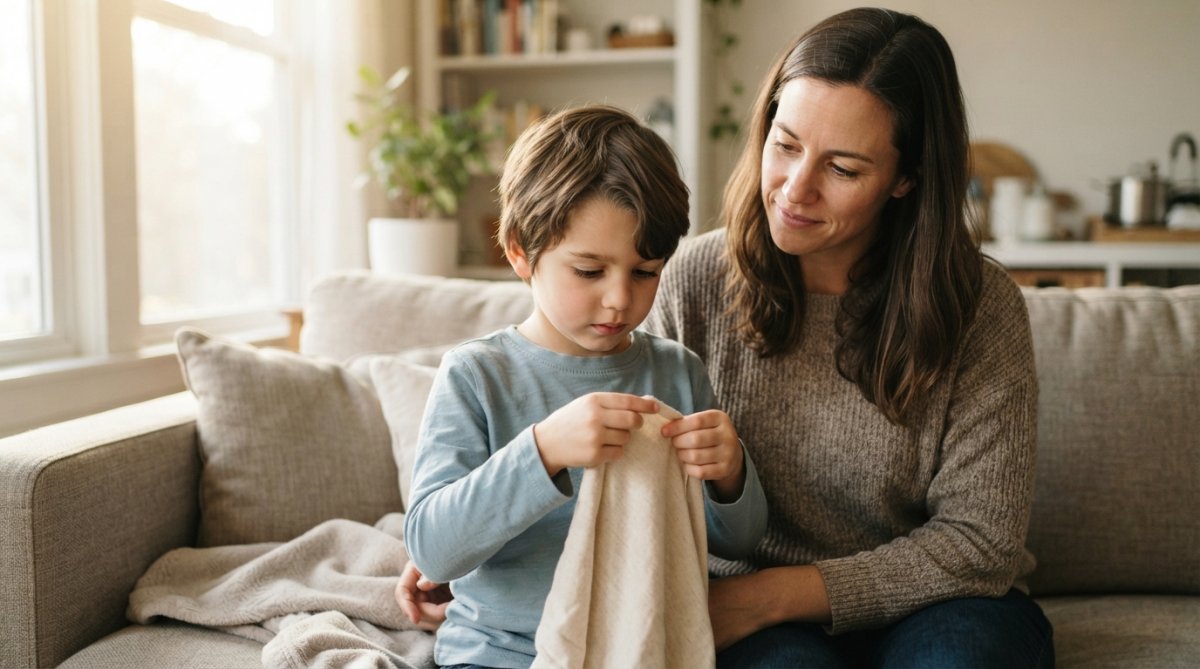
Consider the brand's philosophy. Companies that specialize in sensory-friendly apparel understand the specific needs of children with sensory processing disorder. Doodlebug's Children's Boutique curates sensory-friendly options specifically because we understand that standard clothing doesn't work for many children.
Testing and Trial Periods
Before committing to multiple items, test a single piece. Have your child try it on for a short period in a low-pressure situation, not at bedtime when they're already tired.
Pay attention to immediate reactions. Does your child put the item on without resistance? Does the complaint pattern change compared to standard clothing? Give new items at least three wearings before deciding they don't work.
Understand return policies before purchasing. The best sensory-friendly clothing companies offer generous return windows because they understand that what works for one child doesn't work for another.
Consider starting with the Sensory Friendly Pajama Subscription from Doodlebug's Children's Boutique ($41.99 monthly). This approach lets you test different sensory-friendly options without committing to multiple full-price purchases. Each month brings a new pair of pajamas plus a surprise gift, reducing financial risk while you identify what works for your child.

Sensory regulation is deeply individual. What stops one child's meltdowns won't necessarily work for another. But addressing the specific irritants, tags, seams, stiff fabrics, problematic fasteners, gives your child a genuine foundation for regulation rather than asking them to manage constant sensory noise.
Doodlebug's Children's Boutique was built on the understanding that sensory-friendly clothing isn't a luxury, it's essential support for children who experience the world differently. When you choose tagless, flat-seamed bamboo apparel designed with sensory needs in mind, you're removing barriers to your child's emotional regulation, daily comfort, and ability to engage with their world. Start with one sensory-friendly item, observe what works, and build from there.
Frequently Asked Questions
Q: Do tagless clothes completely stop sensory meltdowns?
A: Tagless clothes reduce one major trigger, but sensory meltdowns have multiple causes. Removing tags helps, but you'll also need to address seams, fabric texture, fasteners, and thermal comfort. Most children with sensory processing disorder see significant improvement when you eliminate several irritants together, not just tags alone. Think of it as removing layers of discomfort.
Q: What is the best clothing material for people with sensory issues?
A: Bamboo and organic cotton are consistently the best fabrics for sensory processing disorder because they're naturally soft, breathable, and hypoallergenic. Bamboo has a buttery texture that many children find calming, while organic cotton avoids synthetic chemicals and pesticide residues that can trigger irritation. Both fabrics offer tactile filtering without feeling restrictive, making them ideal for children with hypersensitivity.
Q: How can I help my child with clothing sensitivity without constant battles?
A: Start by identifying which specific sensory aversions bother your child most, tags, seams, tightness, or texture. Then gradually introduce sensory-friendly options during low-stress times, like bedtime or quiet play. Use a subscription service like Doodlebug's Sensory Friendly Pajama Subscription ($41.99/month) to rotate new textures slowly, so your child adjusts at their own pace. Praise effort over compliance, and never force transitions.
Q: Are there sensory-friendly clothing options for older kids and tweens?
A: Yes. Many tweens refuse 'babyish' sensory clothing, so look for age-appropriate designs with character themes or neutral styles. Brands like Doodlebug offer tween-sized options, including items like the Minecraft Bamboo Pajama Short Set ($29.99), which combines comfort with styles kids actually want to wear. Adult sensory needs are equally valid, many adults with autism or sensory processing differences benefit from the same construction principles.
This article was written using GrandRanker