
Table of Contents
- Why Children Refuse to Wear Certain Clothing Textures
- Sensory-Friendly Clothing for Kids: What Makes It Different
- Bamboo Fabric Benefits for Children with Sensitive Skin
- Best Pika Layers Alternatives Compared
- Comparison Table: Feature Breakdown
- How to Choose the Right Sensory-Friendly Alternative
- Durability and Care: Which Fabrics Actually Last
- Conclusion
Last Updated: August 26, 2026
Why Children Refuse to Wear Certain Clothing Textures
Getting dressed shouldn't be a daily battle. Yet for many children with sensory processing differences, autism, or sensitive skin, certain clothing textures trigger genuine distress. The seams feel scratchy. Tags itch relentlessly. Elastic waistbands create unbearable pressure. What seems like simple stubbornness is actually a neurological response to sensory input that feels overwhelming to their nervous system.
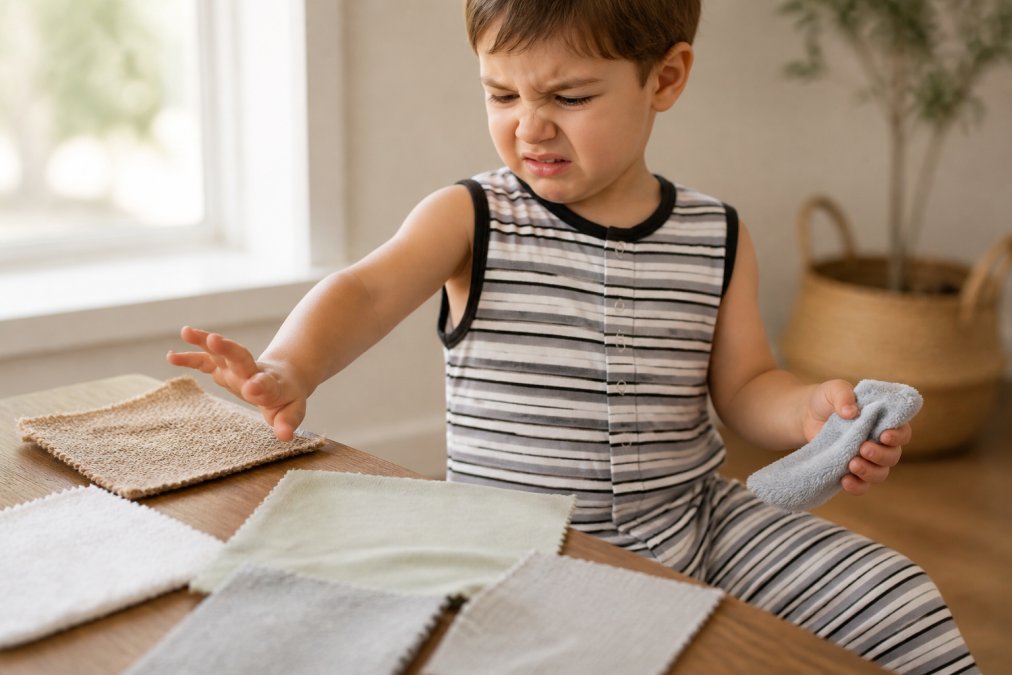
This isn't picky behavior, it's sensory sensitivity. Children with sensory processing disorders experience clothing differently than their peers (peer-reviewed research). Standard fabrics can feel like sandpaper against their skin. Conventional seams create pressure points that trigger distress responses. Even the weight of typical clothing can feel suffocating.
The frustration parents experience is real. You find something that works, and suddenly your child outgrows it. You're searching for alternatives that offer the same comfort without the constant battle. This is where understanding sensory-friendly clothing becomes essential. Not all alternatives are equal, and not every brand that claims "sensory-friendly" delivers the actual comfort these children need.
At Doodlebug's Children's Boutique, we've worked with families navigating this exact challenge. The difference between clothing that works and clothing that fails often comes down to fabric composition, seam construction, and thoughtful design details that most mainstream retailers overlook entirely.
Sensory-Friendly Clothing for Kids: What Makes It Different
Sensory-friendly clothing is specifically designed to minimize triggers that cause distress for children with heightened sensory awareness. Unlike standard children's apparel, sensory-friendly options prioritize comfort through intentional fabric choices, construction methods, and design features that reduce irritation.
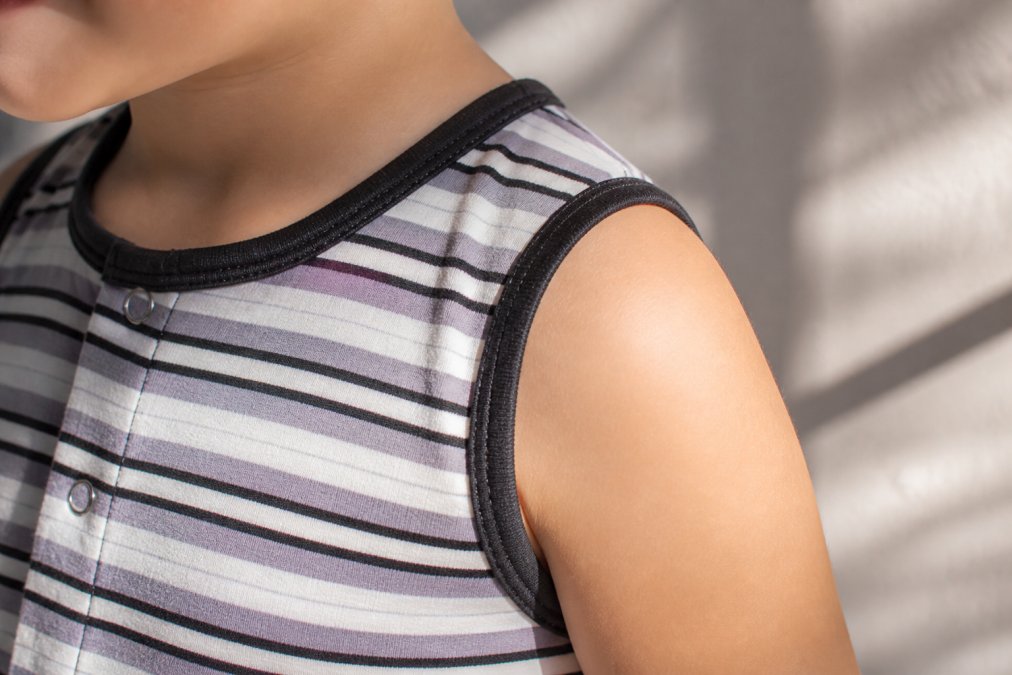
The key differences are tangible and measurable. Tag-less construction eliminates a major irritant completely. Flat seams replace traditional stitching that creates raised ridges against skin. Fabric composition shifts toward natural, breathable materials that don't trap heat or moisture. Waistbands use soft elastic instead of rigid bands. Closures often feature magnetic snaps or two-way zippers rather than buttons and traditional snaps that require fine motor coordination and create pressure points.
Sensory-friendly clothing also considers thermal regulation. Children with sensory processing differences often struggle with temperature regulation. Bamboo fabric naturally wicks moisture and adjusts to body temperature, preventing the overheating that can trigger sensory meltdowns (peer-reviewed research). The breathability factor matters more than most parents realize, it directly impacts how long a child will tolerate wearing the garment.
The design philosophy behind sensory-friendly clothing recognizes that comfort isn't optional for these children. It's foundational to their ability to function, learn, and participate in daily activities. When a child isn't fighting their clothing, they have cognitive energy for everything else.
Bamboo Fabric Benefits for Children with Sensitive Skin
Bamboo fabric has become the gold standard for sensory-friendly children's clothing, and for good reason. Viscose from bamboo offers properties that synthetic and even traditional natural fabrics simply cannot match.
Bamboo fabric is exceptionally soft, softer than cotton, softer than merino wool. This isn't marketing language; it's a tactile reality that children with sensory sensitivities notice immediately. The fiber structure of bamboo creates a smooth surface that doesn't irritate sensitive skin. Parents report that children who refuse most clothing will wear bamboo garments without complaint.
Moisture-wicking is another critical advantage. Bamboo fabric pulls sweat away from skin and allows it to evaporate quickly. This prevents the clammy feeling that triggers sensory distress in many children. Temperature regulation happens naturally, bamboo keeps kids cool in summer and provides warmth in winter without overheating.
The antimicrobial properties of bamboo reduce odor and bacterial growth, which matters when sensory-sensitive children wear the same favorite garment repeatedly (which they inevitably do). Bamboo fabric maintains its softness through repeated washing when cared for properly. The durability of high-quality bamboo clothing means it actually lasts, addressing a major parent concern about cost-per-wear on specialized garments.
Hypoallergenic qualities make bamboo ideal for children with eczema, contact dermatitis, or other skin conditions that often co-occur with sensory processing differences (peer-reviewed research). Bamboo fabric requires minimal chemical processing compared to conventional cotton, reducing exposure to irritating residues that linger even after washing.
Best Pika Layers Alternatives Compared
When parents search for alternatives to Pika Layers, they're typically looking for the same combination of comfort, durability, and sensory-conscious design at a different price point or with different style options. Understanding how alternatives stack up requires looking beyond brand names to actual material composition, construction quality, and real-world performance.
Doodlebug's Children's Boutique: Premium Tag-Less Bamboo Clothing
Doodlebug's Children's Boutique is a specialized retailer dedicated to providing sensory-friendly clothing, pajamas, and toys for kids and tweens. We focus on comfort and inclusivity by offering tag-less apparel made from organic and bamboo materials, ensuring a soothing experience for every child. Our curated collection also features engaging fidget toys and popular character-themed items designed to bring joy and ease to your little ones. Discover a shopping destination where quality, fair-trade practices, and sensory-conscious design come together to support your family's needs.
The product line features pieces like the Bamboo Tank Romper in India Pure Stripe ($13.99), which combines 95% viscose from bamboo with 5% spandex for stretch and durability. The construction includes flat seams, tag-free labeling, and a relaxed fit that accommodates growing bodies without restriction.

The Girls Bamboo Ruffle Pants in Berry ($12.99) exemplify Doodlebug's approach to combining style with function. The ruffle detail appeals to children who want to look age-appropriate, addressing a major pain point: many sensory-friendly brands default to babyish designs that tweens refuse to wear. The pants feature a stretchy fit that accommodates sensory-sensitive children who need freedom of movement without feeling constrained.

Doodlebug's commitment to fair-trade practices and organic materials means the brand sources responsibly, which matters to eco-conscious parents. The price points ($12.99-$16.99 for most pieces) position the brand as accessible without cutting corners on quality.
What sets Doodlebug apart is the editorial clarity: this brand knows exactly who it serves and designs specifically for that audience. The sizing accommodates children from newborn through tween, and the style options prevent the "babyish" aesthetic that older children reject.
What Sets Doodlebug Apart from Pika Layers
The comparison between Doodlebug's Children's Boutique and Pika Layers reveals important distinctions in approach, pricing, and product philosophy.
Pika Layers built its reputation on sensory-friendly basics with a focus on minimalist design and functionality. The brand offers solid bamboo options and understands sensory needs. However, Doodlebug's Children's Boutique takes a different strategic approach: it combines sensory-conscious design with style variety that appeals to older children and tweens who refuse to wear anything "babyish."
Pricing tells part of the story. Doodlebug's pricing ($12.99-$16.99 for most core pieces) undercuts many premium alternatives while maintaining the same material quality. The Bamboo Ruffle Tank Romper options ($16.99) offer pattern variety and design personality that Pika Layers' more minimal aesthetic doesn't prioritize. For parents buying for multiple children or managing tight budgets, this price-to-quality ratio matters significantly.

Construction quality is comparable between the brands, both use tag-free labeling and understand seam placement. The real difference emerges in design philosophy. Doodlebug's Children's Boutique curates pieces that children actually want to wear, not just pieces parents think they should wear. The brand recognizes that a sensory-friendly garment a child refuses to put on solves nothing.
Fair-trade sourcing and sustainable practices are core to Doodlebug's positioning, whereas Pika Layers emphasizes simplicity and function. For parents prioritizing ethical consumption, this distinction matters. The brand's commitment to organic and bamboo materials aligns with values-driven purchasing decisions.
Comparison Table: Feature Breakdown
| Feature | Doodlebug's Children's Boutique | Typical Pika Layers Alternative | Standard Children's Clothing |
|---|---|---|---|
| Tag-Free Construction | Yes | Yes | No |
| Bamboo Material | 95% Viscose Bamboo | 95% Viscose Bamboo | Cotton or synthetic blends |
| Flat Seams | Yes | Yes | Raised seams standard |
| Price Range | $12.99-$19.99 | $15-$25+ | $8-$15 |
| Style Variety | Multiple patterns and colors | Minimal designs | Wide variety |
| UPF Protection | Yes (50+) | Varies | Rarely included |
| Moisture-Wicking | Yes | Yes | Limited |
| Fair-Trade Sourcing | Yes | Varies | Rarely verified |
| Tween-Appropriate Styles | Yes | Limited | Abundant |
| Sensory-Specific Design | Primary focus | Primary focus | Not considered |
How to Choose the Right Sensory-Friendly Alternative
Selecting the right brand requires moving beyond marketing claims to evaluate actual construction and material quality. Start by examining the fabric composition. True sensory-friendly clothing uses 95% viscose from bamboo or similar natural fibers, anything less compromises the softness and moisture-wicking properties that make the difference. Check the label carefully. "Bamboo blend" with significant synthetic content won't perform the same way.
Seam construction is non-negotiable. Run your fingers along the seams before purchasing if possible. Flat seams should feel smooth and lie flat against the fabric. Raised seams create pressure points that trigger sensory distress. Many online retailers offer generous return windows specifically because sensory-sensitive children need to feel the fabric before committing.
Tag-free labeling should be absolute. Any tag remaining, even a small one, creates an irritant. Doodlebug's Children's Boutique uses tag-free labeling across the entire line, which eliminates this variable entirely.
Consider the child's specific sensory profile. Some children tolerate patterns and color variety; others need simple, solid colors to reduce visual overwhelm. Some need loose, flowing fits; others prefer gentle compression. The best alternative is the one that matches your specific child's sensory needs, not the brand with the best reputation. Doodlebug's range of styles and patterns accommodates different sensory profiles within the same quality standard.
Price-per-wear matters more than sticker price. A $16.99 piece that lasts through multiple children and multiple wash cycles delivers better value than a $10 garment that pills, loses softness, or gets rejected after two wearings. Factor in the emotional cost of daily battles over clothing when calculating true value.
Read reviews specifically from parents of children with sensory processing disorders or autism, not general parenting reviews. Parents managing sensory sensitivities evaluate clothing differently than parents buying for typical children. Their feedback about whether a garment actually solves the problem is more reliable than general comfort ratings.
Durability and Care: Which Fabrics Actually Last
Bamboo fabric durability depends entirely on care. Washing and drying methods determine whether a piece maintains its softness or becomes stiff and loses its sensory-friendly properties after a few cycles.
Machine wash cold on a gentle cycle is essential. Hot water breaks down the bamboo fiber structure and causes premature wear. Gentle cycles prevent the agitation that creates pilling and weakens seams. Most quality sensory-friendly brands, including Doodlebug's Children's Boutique, recommend gentle cycles specifically because they understand that durability depends on proper care.
Tumble dry on low heat preserves fabric integrity. High heat damages bamboo fibers and reduces softness. Line drying extends garment life even further, though many parents find this impractical with multiple children. Low-heat tumble drying is the practical middle ground that maintains quality while fitting real-world laundry routines.
Avoid fabric softeners and dryer sheets. These products coat bamboo fibers and reduce moisture-wicking properties, the exact feature that makes the fabric sensory-friendly. This is counterintuitive for parents accustomed to using softeners, but it's critical for maintaining sensory-friendly performance.
Bamboo fabric actually becomes softer with proper washing, not stiffer. Quality pieces improve with age if cared for correctly. Doodlebug's Children's Boutique garments are designed to withstand repeated washing while maintaining their sensory-friendly properties. Parents report that favorite pieces worn constantly remain soft and comfortable even after years of use.
Storage matters too. Fold rather than hang to prevent stretching. Store in a cool, dry place away from direct sunlight, which can fade colors and weaken fibers over time. Proper storage extends the lifespan significantly, especially important when pieces are passed between siblings or saved for future children.
The durability advantage of quality bamboo clothing becomes apparent when you calculate cost-per-wear across multiple children or years of use. A Doodlebug's piece worn by three children and maintained properly delivers exceptional value compared to cheaper alternatives that lose softness after a season.
Sensory-friendly clothing isn't a luxury, it's a practical necessity for children whose nervous systems process fabric differently. The best Pika Layers alternatives combine quality materials, thoughtful construction, and design that children actually want to wear. Doodlebug's Children's Boutique delivers on all three fronts, offering bamboo clothing that prioritizes sensory comfort without sacrificing style or breaking the budget. When your child can get dressed without distress, everyone benefits.
Explore Doodlebug's collection of tag-less bamboo pieces and discover how the right clothing transforms daily routines. Start with the Bamboo Tank Romper in India Pure Stripe ($13.99) or the Girls Bamboo Ruffle Pants in Berry ($12.99) to experience sensory-friendly design that actually works.
Frequently Asked Questions
Q: What makes sensory-friendly clothing for kids different from regular children's clothes?
A: Sensory-friendly clothing removes common irritants that trigger discomfort in children with sensory processing differences or autism. Key features include tag-less designs (no itchy labels), flat seams, soft breathable fabrics like bamboo viscose, and stretchy materials that don't restrict movement. These design choices eliminate textures and pressure points that can cause meltdowns or refusal to wear clothing. Brands like Doodlebug's Children's Boutique prioritize these features specifically for kids with sensitive skin and sensory needs.
Q: Why do children refuse to wear certain clothing textures?
A: Children with autism, sensory processing disorder, or sensitive skin often experience heightened tactile sensitivity. Rough seams, tight elastic, scratchy tags, heavy fabrics, and moisture-trapping materials can feel overwhelming or painful to their nervous systems. Even small details like a tag rubbing against the neck or seams pressing on skin can trigger significant distress. Bamboo fabric and tag-less designs address these specific sensory triggers, making clothing feel comfortable rather than overwhelming.
Q: How do bamboo fabric benefits for children compare to cotton or synthetic materials?
A: Bamboo viscose offers distinct advantages for sensitive skin: it's naturally hypoallergenic, moisture-wicking, temperature-regulating, and incredibly soft without harsh processing chemicals. Unlike cotton, bamboo breathes better and doesn't trap heat. It's gentler than synthetics, which can trap moisture and cause irritation. Bamboo also holds its softness through multiple washes, making it durable for families who can't afford frequent replacements. Products like Doodlebug's Bamboo Ruffle Pants ($12.99) and Tank Rompers ($16.99) deliver these benefits with tag-less construction specifically designed for sensory needs.
Q: Are Pika Layers alternatives actually worth the cost if they're more expensive?
A: Yes, when you factor in durability and actual wear. Children with sensory sensitivities often refuse to wear uncomfortable clothing, meaning wasted purchases. Sensory-friendly alternatives from Doodlebug's Children's Boutique are designed to be worn daily because they eliminate the triggers that cause refusal. The bamboo fabric holds up through repeated washing, reducing replacement frequency. Additionally, fair-trade practices mean you're investing in quality that works, not just paying for a brand name.
This article was written using GrandRanker