
Table of Contents
- Why Bamboo Clothing Holds Up During Active Play
- Benefits of Bamboo Clothing for Kids
- Bamboo vs Cotton for Kids Clothing: Which Lasts Longer
- How to Wash Bamboo Baby Clothes to Preserve Durability
- Sizing and Growth-Spurt Adaptability
- Cost-Per-Wear: Is Bamboo Worth the Investment
- Repair and Upcycling Your Bamboo Pieces
- Conclusion
Last Updated: August 28, 2026
Why Bamboo Clothing Holds Up During Active Play
When children constantly move, climb, run, and play, their clothes take a beating. Most fabrics show wear within weeks: seams split, fibers pill, colors fade. Bamboo clothing performs differently. The fiber structure of viscose from bamboo is naturally stronger than cotton at the molecular level, resisting the stress of repeated movement and washing better than conventional materials.
For active children, this matters beyond longevity. A single pair of bamboo pants lasting twice as long as cotton cuts clothing expenses in half over time. For families managing sensory needs, where finding clothes without tags, uncomfortable seams, or irritating fibers is already challenging, durability means fewer replacement cycles and less disruption when your child finally finds something that works.
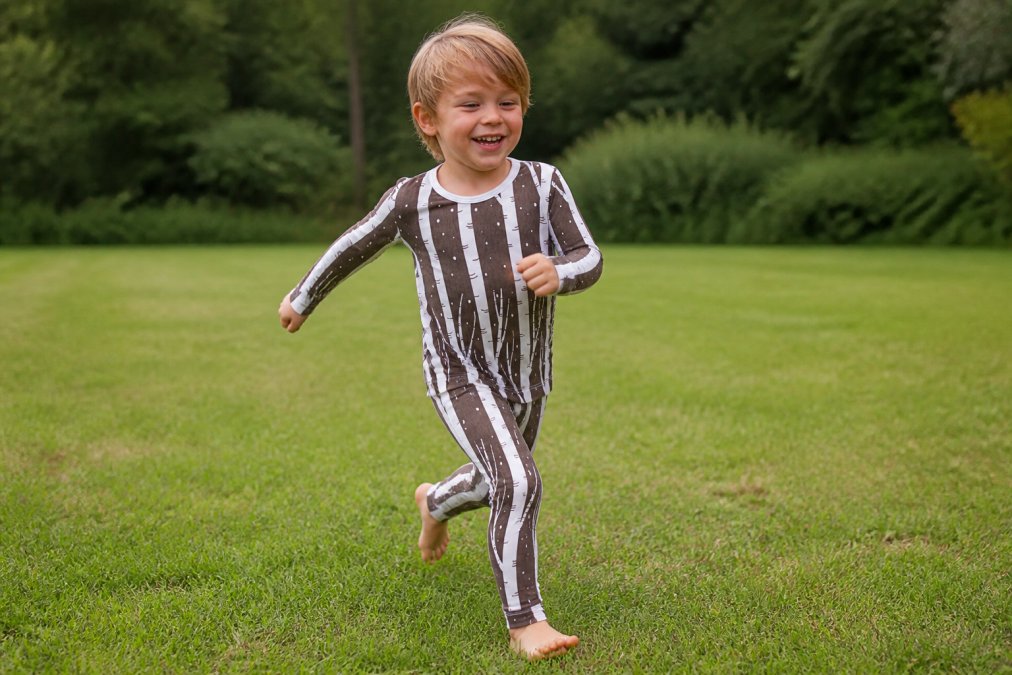
The moisture-wicking properties of bamboo fabric also contribute to durability. When sweat and moisture are pulled away from the fabric surface, the fibers don't stay damp and break down as quickly. This is especially important for kids in sports or active play, where traditional cotton holds moisture against the fabric and accelerates degradation. Bamboo maintains its fiber integrity even under the stress of active use combined with frequent washing.
At Doodlebug's Children's Boutique, parents return to bamboo clothing specifically because it survives their child's active lifestyle. The fabric doesn't lose its softness the way cotton does after multiple wash cycles, and the stretch factor remains consistent, crucial for kids whose sensory systems are sensitive to changes in how clothing feels.
Benefits of Bamboo Clothing for Kids
Bamboo clothing for active kids offers several advantages beyond durability, combining softness with performance characteristics suited to childhood activity levels and sensitive skin concerns.
Hypoallergenic and Safe for Sensitive Skin
Bamboo fabric is naturally hypoallergenic, resisting common allergens and irritants that trigger reactions in children with sensitive skin or sensory processing differences (the American Academy of Dermatology). The viscose production process typically uses fewer harsh chemicals than conventional cotton farming, resulting in a cleaner fiber gentler against delicate skin.
Children with eczema, dermatitis, or general skin sensitivity often respond well to bamboo because the smooth fiber structure doesn't create micro-irritation that rougher fabrics do. The fabric feels soft from the first wear and doesn't become scratchy as it ages, critical for kids managing sensory challenges. Unlike cotton, which can feel stiff after washing, bamboo maintains consistent softness through repeated laundering.
For children with autism or sensory processing disorders, this consistency in fabric feel is often as important as the initial softness, reducing disrupted nights and meltdowns about clothing discomfort.
Temperature Regulation and Breathability
Bamboo fabric excels at temperature regulation, adapting to your child's body temperature and environmental conditions. The fiber structure creates natural breathability that keeps kids comfortable in warm weather or layered for cooler seasons, performing well year-round without trapping heat like synthetic fabrics.
For children sensitive to temperature changes or clothing discomfort during seasonal transitions, this adaptability reduces sensory stress. A child wearing bamboo pajamas won't wake up overheated, and active play won't leave them drenched in sweat trapped against their skin.
Moisture-Wicking for Active Children
Bamboo's moisture-wicking capability is invaluable for active kids. When children sweat during play or sports, bamboo pulls moisture away from the skin and disperses it across the fabric surface where it evaporates, keeping them dry and comfortable while preventing chafing.
Traditional cotton absorbs moisture and holds it against the skin, creating conditions where bacteria and fungi thrive, a particular concern for children in sports or outdoor play. Bamboo's moisture management prevents this problem, especially important for kids managing skin sensitivities or spending extended time in active play.
Bamboo vs Cotton for Kids Clothing: Which Lasts Longer
Bamboo outperforms cotton across durability metrics that matter most for active children. While cotton is familiar and affordable, the comparison reveals why bamboo delivers better long-term value.
Bamboo fiber is inherently stronger than cotton, particularly when wet. Cotton loses approximately 10-15% of its tensile strength when wet, while bamboo maintains its structural integrity (peer-reviewed research). This matters because children's clothes are washed frequently, often multiple times per week. After 50-75 wash cycles, cotton clothing typically shows visible pilling, fading, and seam degradation (peer-reviewed research). Bamboo clothing maintains its appearance through 100+ wash cycles.
Bamboo fabric has natural elasticity that allows it to move with active children without losing shape, while cotton becomes stiff or loses stretch after repeated washing. For children needing consistent, predictable fabric feel, this consistency is substantial.
Seam durability also favors bamboo. The fabric's strength means seams don't separate easily under stress, critical for kids in active play. Cotton seams often fail before the fabric itself wears through.
The cost-per-wear calculation typically favors bamboo despite higher upfront price. A bamboo garment costing 40-50% more but lasting twice as long actually costs less per wear. For families purchasing multiple items or managing sensory needs where finding suitable clothing is challenging, this economics matter significantly.
How to Wash Bamboo Baby Clothes to Preserve Durability
Proper care maintains the durability and softness of bamboo clothing for active kids. The fabric's strength means it handles regular washing, but certain practices extend its lifespan.
Machine Washing Best Practices
Wash bamboo clothing in cold water using a gentle or delicate cycle. Hot water weakens bamboo fibers and causes colors to fade more rapidly. Cold water preserves both the fabric's structural integrity and dye vibrancy, important if you plan to pass garments to younger siblings.
Use mild detergent, preferably designed for delicate fabrics or sensitive skin. Harsh detergents leave residue in bamboo fibers and contribute to skin irritation. Many families find using 25-30% less detergent than recommended for cotton still provides effective cleaning, since bamboo doesn't hold odor as readily.
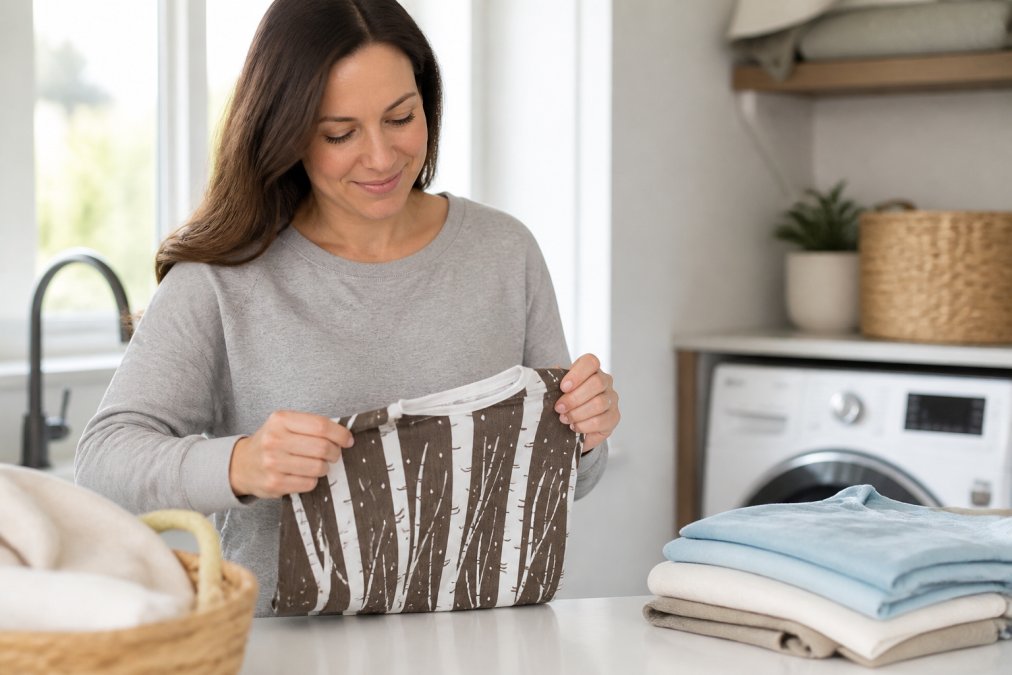
Wash bamboo clothing inside out to minimize pilling and color fading. Avoid washing with heavy fabrics like jeans or towels, which create friction that damages delicate fibers.
Don't use fabric softeners or dryer sheets with bamboo clothing. These products coat fibers and reduce the moisture-wicking and breathability that make bamboo valuable for active kids.
Drying and Storage Tips
Air drying is ideal for preserving bamboo clothing. Hang items in a well-ventilated area away from direct sunlight. If using a dryer, select the lowest heat setting available. High heat can damage fibers and cause shrinkage.
Remove items from the dryer while slightly damp and fold immediately to prevent wrinkles. Bamboo doesn't require ironing, and heat can compromise fiber structure.
Store bamboo clothing in a cool, dry place away from direct sunlight. Use breathable cotton storage bags rather than plastic containers, which trap moisture. Cedar blocks or lavender sachets deter insects without harsh chemicals.
Treat stains promptly with cold water and mild stain remover applied directly. Avoid bleach or oxygen-based removers, which weaken fibers and cause discoloration.
Sizing and Growth-Spurt Adaptability
Bamboo clothing accommodates growth spurts well. The natural stretch allows garments to expand slightly with your child, extending the wear period before outgrowing items.
Unlike rigid cotton, bamboo maintains elasticity through multiple wash cycles. A bamboo shirt or pants accommodates a child's growth for 6-12 months longer than equivalent cotton, translating to measurable savings. Many parents move bamboo items through 2-3 children before the garment is truly worn out.
The snug-fit design common in quality bamboo clothing also means garments don't look oversized as children grow into them, important for tweens sensitive about appearance. Consider buying bamboo clothing one size up during active growth phases. The stretch means it won't be excessively loose, and you'll gain an additional 6-12 months of wear.
Cost-Per-Wear: Is Bamboo Worth the Investment
The price difference between bamboo and cotton is real, but cost-per-wear analysis often shows bamboo as the better long-term investment for families with active kids.
A typical cotton t-shirt costs $12-18 and remains acceptable for 40-60 wears before pilling or seam failure, approximately $0.20-0.45 per wear. A bamboo t-shirt typically costs $18-28 but remains in good condition for 100-150 wears, bringing cost-per-wear to $0.12-0.28. The math favors bamboo, particularly if passing the garment to a younger sibling.
For families managing sensory needs, the value calculation includes factors beyond durability. Finding clothing that works, that doesn't trigger sensory responses, that feels right, is already challenging. When you find a solution, you want it to last. Bamboo clothing from retailers like Doodlebug's Children's Boutique that specifically address sensory concerns becomes a reliable staple. The higher upfront cost is justified by reduced search time and extended wear.
For active kids in sports or outdoor play, the durability advantage is pronounced. Clothing surviving a full season without degrading means fewer mid-season replacements and less waste. The moisture-wicking properties also reduce sweat-related damage or odor issues that might shorten useful life.
Budget-conscious families should prioritize bamboo for basics, t-shirts, pants, and underwear, where durability directly reduces replacement frequency. The Kickee Pants Falcon Snow Kids Bamboo Pajama Set at Doodlebug's Children's Boutique ($19.99) exemplifies this value: quality bamboo construction at an accessible price point.

Repair and Upcycling Your Bamboo Pieces
When bamboo clothing shows wear, repair and upcycling options extend its life and maximize hand-me-down value. The durability of bamboo fiber means most wear is repairable rather than permanent.
Small holes can be patched using matching thread or iron-on patches. Bamboo fabric takes patches well because fibers hold stitches securely without tearing further. Unlike cotton, which unravels around holes, bamboo's strength means repairs stay intact through subsequent washing.
Seam separation, the most common failure point, is straightforward to repair. Re-stitching takes 10-15 minutes and extends the garment's life by another 6-12 months. The fabric's strength means the repair seam holds reliably.
Upcycling options include converting outgrown pants into shorts, turning stained shirts into pillowcases, or using fabric scraps for patches. Bamboo fabric's quality makes these projects worthwhile, you're working with material that remains soft and functional.
For families committed to circular fashion, bamboo clothing's durability and repairability make it ideal. Items move through multiple children, are repaired when needed, and eventually upcycled into new projects.
Conclusion
Durable bamboo clothing for active kids represents a practical investment in comfort, durability, and long-term value. The fiber's natural strength, moisture-wicking properties, and hypoallergenic characteristics address the specific needs of children in active play while accommodating sensory sensitivities common in children with autism or processing differences.
At Doodlebug's Children's Boutique, we've built our collection around bamboo specifically because it delivers on durability. Our tag-less designs combined with premium bamboo construction, like the Ocean Breeze Long Sleeve Pajamas ($35.99) or the Girls Bamboo Ruffle Pants in Berry ($12.99), give you clothing that lasts through multiple children while maintaining softness and breathability through countless wash cycles. When managing sensory needs, finding pieces that work is challenging. When you find them, you want them to last. That's what bamboo delivers.

Frequently Asked Questions
Q: Is bamboo fabric durable enough for active children?
A: Yes. Bamboo viscose fiber has strong tensile strength when dry, making it resilient through frequent wear and washing. The fabric resists pilling and maintains its shape better than many cotton blends when cared for properly. The key is following proper washing methods to prevent fiber breakdown from excessive heat or harsh detergents.
Q: What are the main benefits of bamboo clothing for kids?
A: Bamboo clothing offers multiple advantages for children: it's hypoallergenic and gentle on sensitive skin, naturally temperature-regulating for year-round comfort, highly breathable for active play, and moisture-wicking to keep kids dry. Bamboo fabric is also softer than most cotton options and doesn't require chemical treatments, making it ideal for kids with sensory sensitivities or skin conditions. The fabric's natural properties make it particularly valuable for children who need comfort-focused clothing.
Q: How do you properly wash bamboo clothing to maintain durability?
A: Machine wash bamboo garments in cold water on a gentle cycle using mild detergent. Avoid bleach, fabric softener, and high heat, which break down the fibers. Lay flat to dry or use low heat in the dryer. Washing inside-out protects seams and surface detail. Proper care extends the life significantly and preserves the softness and breathability that make bamboo valuable for active kids.
Q: Is bamboo fabric breathable for high-energy play?
A: Bamboo is highly breathable and moisture-wicking, making it excellent for active children. The fabric's cellular structure allows air circulation while pulling sweat away from skin, keeping kids comfortable during play. This thermal regulation prevents overheating in warm weather and provides warmth when needed in cooler conditions. For kids engaged in sports, outdoor play, or fidgeting during school, bamboo's breathability reduces the discomfort that can trigger sensory distress or behavioral challenges.
This article was written using GrandRanker