
Table of Contents
- Why Bamboo Fabric Is Good for Eczema
- Softness and Reduced Friction: The Comfort Foundation
- Breathability and Airflow for Sensitive Skin
- Moisture Absorption and Sweat Management
- Temperature Regulation for Hot Sleepers
- Best Fabric for Eczema: Bamboo vs. Cotton
- Bamboo vs. Cotton for Eczema: What the Differences Mean
- Eczema-Friendly Clothing for Kids: Beyond Fabric Choice
- Frequently Asked Questions
Last Updated: October 5, 2026
Why Bamboo Fabric Is Good for Eczema
Bamboo fabric has become a go-to choice for parents of children with eczema and sensitive skin. The reason isn't marketing hype, it's physics. Bamboo viscose fabric has distinct properties that address the core problems eczema-prone skin faces: friction, moisture imbalance, temperature swings, and irritation from harsh fibers. At Doodlebug's Children's Boutique, we've built our entire sensory-friendly collection around bamboo because the evidence for its comfort advantages is real, even if some of the health claims need qualification.

The key insight most parents miss is this: why bamboo fabric is good for eczema isn't about curing the condition, fabric doesn't treat eczema. What it does is remove friction, regulate temperature, and reduce the irritants that trigger flare-ups. That distinction matters. A child sleeping in soft, breathable pajamas won't develop eczema, but they're far less likely to scratch through the night, which means fewer infections and faster healing.
This guide walks through what bamboo actually is, why its properties matter for sensitive skin, how it compares to alternatives, and what else you need to know beyond fabric choice to keep eczema under control.
How Bamboo Viscose Is Made and What the Label Means
When you see "bamboo fabric" on a label, you're almost always looking at bamboo viscose, also called bamboo rayon. Understanding this distinction matters because the manufacturing process affects how the fabric performs and what chemicals might linger.
Bamboo viscose is made by breaking down bamboo pulp using chemical solvents, then spinning the resulting liquid into fiber. The process is intensive, but most manufacturers today use closed-loop systems that recycle up to 99% of the chemicals used. The result is a fiber that's softer than cotton and more breathable than most synthetics.
What matters for your child's skin: viscose fibers are naturally smooth, which means less friction against sensitive skin. The manufacturing doesn't add flame retardants or harsh chemical treatments, the fabric comes off the line ready to wear.
The label "viscose from bamboo" or "bamboo viscose" indicates closed-loop production. Labels that just say "rayon" may or may not be bamboo-derived, and the production method is less transparent. If you're shopping for eczema-friendly clothing, look for the viscose specification.
Softness and Reduced Friction: The Comfort Foundation
The single biggest advantage of bamboo fabric for children with eczema is softness. Bamboo viscose fiber has a naturally smooth surface, which translates to dramatically lower friction against skin compared to cotton, wool, or synthetic blends.

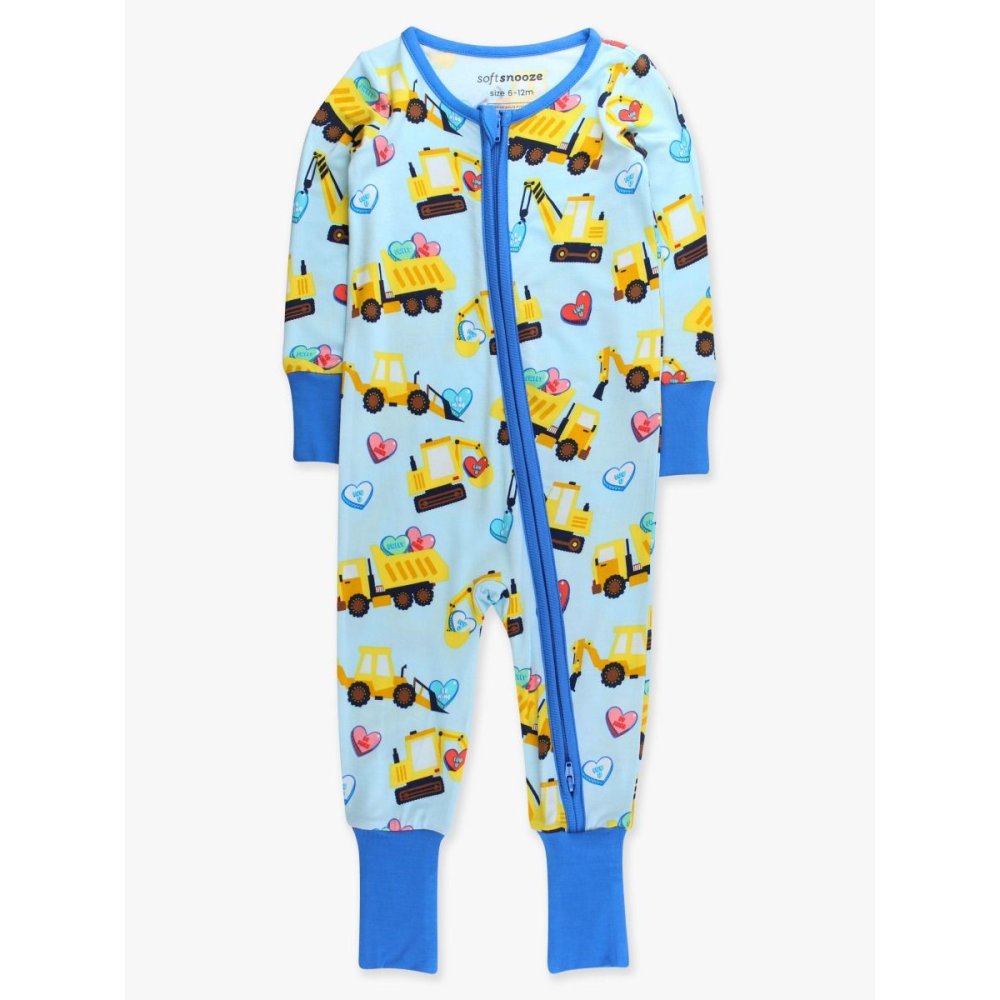
Here's what that means in practice: when a child's skin is already inflamed, even minor friction from seams, thread, or rough fibers can trigger the itch-scratch cycle.
Cotton, by comparison, has a rougher fiber surface. While cotton is breathable, it's not as soft as bamboo, and the friction can be noticeable to kids with sensory sensitivity.
At Doodlebug's Children's Boutique, our tagless designs eliminate another friction point, the label itself. But even with tags removed, seams matter.
One caveat: softness alone doesn't solve eczema. A child with severe eczema may still react even to soft fabric if other irritants are present. But softness is the foundation. Without it, you're fighting an uphill battle.
Breathability and Airflow for Sensitive Skin
Bamboo fabric breathes better than most alternatives, which is critical for children with eczema. When skin can't breathe, sweat and heat accumulate, creating an environment where bacteria thrive and inflammation worsens.
Bamboo viscose has a porous structure that allows air to move through the fabric. This airflow keeps skin cooler and drier compared to cotton blends or polyester.
The breathability advantage becomes especially clear in warm months or for kids who sleep hot. Cotton pajamas can feel damp by morning. Bamboo stays noticeably drier because the fabric actively wicks moisture away from skin rather than holding it.
Research from the American Academy of Dermatology emphasizes that managing moisture and heat is a key part of eczema care, particularly during sleep when children can't adjust their clothing. Breathable fabric that regulates temperature is a practical tool in that management strategy.
Keep in mind that breathability depends on fit as well as fiber. Tight clothing traps heat regardless of how breathable the fabric is. Our designs at Doodlebug's Children's Boutique use relaxed fits with gentle stretch, allowing airflow even when the garment is snug enough to stay in place during sleep.
Moisture Absorption and Sweat Management
Bamboo fabric absorbs moisture at nearly three times the rate of cotton, which matters enormously for children with eczema who sweat or have night sweats.
When moisture sits on skin, it softens the outer barrier and creates an ideal environment for bacteria and fungi to multiply. Bamboo pulls sweat away from skin and disperses it through the fabric, keeping the skin surface drier.
Children who wear bamboo pajamas often report fewer nighttime scratching episodes, partly because the fabric is managing sweat that would otherwise trigger irritation.
Cotton absorbs moisture too, but it holds onto it longer, creating a damp layer against skin. Bamboo's absorbency is genuinely superior for this specific need.
The trade-off is that bamboo takes longer to dry than some synthetics, so laundry day requires slightly more planning. But for the hours your child is actually wearing the garment, the moisture management advantage is substantial.
Temperature Regulation for Hot Sleepers
Children with eczema often struggle with temperature regulation, particularly at night. Bamboo fabric naturally regulates temperature better than most alternatives, staying cooler in warm conditions and warmer in cool ones.
This thermal regulation happens because bamboo fibers are hollow and breathable, allowing heat to dissipate rather than accumulate. For a child who overheats easily, bamboo pajamas can mean the difference between waking up drenched and uncomfortable versus sleeping through the night.
Overheating is a known eczema trigger. When body temperature rises, skin becomes more reactive, itching intensifies, and the itch-scratch cycle accelerates. Managing temperature through fabric choice is a simple but effective intervention.
Our Long Sleeve SoftSnooze™ Kids Bamboo Viscose Pajama Set in Loads of Love ($26.99) is designed specifically for this challenge. The 95% viscose from bamboo and 5% spandex blend creates a fabric that breathes actively while maintaining enough stretch for comfortable movement.
Cotton pajamas often feel too warm in summer and don't regulate as effectively. Fleece or heavyweight materials trap heat entirely, making them unsuitable for children with eczema unless the weather is genuinely cold.
Girls Bamboo Ruffle Pants in Berry – Ultra Soft Sensory-Friendly Baby Bottoms →
Best Fabric for Eczema: Bamboo vs. Cotton
Cotton is the traditional recommendation for eczema-prone skin, and it's a reasonable choice.
Cotton is breathable and natural, which is why dermatologists have recommended it for decades. However, cotton fiber is rougher than bamboo, holds moisture longer, and offers less temperature regulation. Cotton also tends to pill with washing, creating a rougher surface over time.
Bamboo viscose outperforms cotton on softness, moisture absorption, breathability, and temperature regulation. The main advantage cotton has is cost and availability, cotton is cheaper and easier to find.
Silk is soft and breathable but expensive, delicate, and less practical for everyday children's clothing.
Synthetic blends vary widely. Some polyester-cotton blends are acceptable, but pure synthetics like polyester or acrylic trap heat and don't absorb moisture well.
Bamboo vs. Cotton for Eczema: What the Differences Mean
The practical difference between bamboo and cotton comes down to three factors: how the fabric feels on irritated skin, how it manages moisture, and how it performs over time.
On feel, bamboo is noticeably smoother. If you run your hand across both fabrics, bamboo has a silky quality while cotton feels slightly textured. For children with tactile sensitivity or active skin inflammation, that difference is meaningful.
On moisture, bamboo absorbs faster and releases moisture more effectively, keeping skin drier during and after sweating. Cotton absorbs well but holds moisture longer, which can prolong the damp feeling against skin.
On durability, bamboo maintains its softness longer through repeated washing. Cotton tends to become stiffer and less soft over time, particularly with hot water or harsh detergents.
The Convertible One Piece Footie SoftSnooze™ Baby Bamboo Viscose Pajama in Loads of Love ($26.99) demonstrates these advantages. The 95% viscose from bamboo construction stays soft and absorbent through dozens of washes, while a comparable cotton piece would gradually lose its softness.
Eczema-Friendly Clothing for Kids: Beyond Fabric Choice
Fabric choice matters, but it's one piece of a larger puzzle. Children with eczema need consideration of seams, fasteners, dyes, finishes, and laundry practices to truly minimize irritation.
Dyes, Finishes, and Other Irritants to Watch
Bamboo fabric itself is hypoallergenic, but dyes and finishes applied during manufacturing can trigger reactions. Reactive dyes are generally safer than disperse dyes, and low-impact dyes are better than conventional ones. Finishes like formaldehyde-based resins or synthetic sizing agents can irritate sensitive skin.
When shopping for eczema-friendly clothing, look for certifications like OEKO-TEX Standard 100, which tests for harmful substances.
Laundry practices matter as much as the fabric itself. Residual detergent in clothing can trigger flare-ups. Washing new items twice before wearing them removes excess dyes and finishes. Using fragrance-free, dye-free detergent and avoiding fabric softeners reduces chemical irritants.
Tagless Design and Seam Placement
Tags are obvious irritants, and tagless construction is standard in sensory-friendly clothing. But seams matter equally. Flat-lock seams lie flatter against skin than traditional seams, reducing friction and irritation. Seam placement also matters, seams on the side or back of garments are less likely to rub against sensitive areas than center-front seams.
The Girls Bamboo Ruffle Pants in Berry ($12.99) use flat-lock seaming throughout, which keeps seams smooth and unobtrusive. The tagless design eliminates another friction point entirely.

Individual Variation and Patch Testing
Here's what most guides skip: not every child reacts the same way to the same fabric. Some children tolerate bamboo perfectly while others have sensory or allergic reactions. Individual variation is real and significant.
Before committing to multiple pieces, buy a single item and have your child wear it for a full day. Watch for increased scratching, rashes, or complaints about how it feels.
Patch testing is particularly important if your child has severe eczema or multiple sensory sensitivities. Wearing a new fabric for an hour or two before committing to overnight wear can reveal problems early.
Eczema management requires a multi-layered approach, and fabric choice is one important layer. Bamboo fabric removes several common irritants, friction, moisture accumulation, temperature swings, that trigger flare-ups.
At Doodlebug's Children's Boutique, we've designed our sensory-friendly collection around these principles. Our bamboo pieces are made from 95% viscose from bamboo with thoughtful construction details like tagless labels and flat-lock seams.
Start with one piece. See how your child responds. If it works, you've found a foundation for comfortable, eczema-friendly clothing. If it doesn't, you've learned something valuable about your child's specific needs.
Frequently Asked Questions
Is bamboo fabric actually good for eczema?
Bamboo fabric can help reduce eczema discomfort because of its softness, breathability, and moisture-wicking properties. The smooth texture creates less friction against sensitive skin, while its breathable weave allows air circulation. However, bamboo fabric does not treat or cure eczema. Individual responses vary, so patch testing new clothing is recommended.
What's the difference between bamboo and cotton for eczema-prone skin?
Bamboo viscose is typically softer and smoother than cotton, creating less friction against irritated skin. Cotton is durable and widely available, but its texture can feel rougher and less breathable. Cotton remains a solid option for those who tolerate it well or prefer a more traditional fabric.
How should I wash bamboo clothes for a child with sensitive skin?
Wash bamboo garments in cold water on a gentle cycle, inside out to protect the fabric. Use a mild, fragrance-free detergent free of dyes and optical brighteners, which can trigger irritation. Avoid fabric softeners and bleach; use only non-chlorine bleach if needed. Tumble dry on low heat or air dry to preserve softness and prevent shrinkage. Wash new items before the first wear to remove any residual dyes or finishes. Consider running a separate load or adding an extra rinse cycle to remove all detergent residue.
What else matters besides fabric when choosing eczema-friendly clothing for kids?
Beyond fiber type, look for tagless designs or flat seams to eliminate rubbing and irritation. Check for minimal dyes and finishes; natural or low-chemical options are gentler. Ensure proper fit. Consider your child's individual sensitivities, as some react to specific dyes or finishes even in soft fabrics. Patch testing new items on a small area of skin before full wear helps identify personal triggers before investing in multiple pieces.