
Table of Contents
- What Makes Clothing Sensory Friendly?
- Best Fabrics for Sensory Sensitive Kids
- Key Features to Look For: Tags, Seams, and Fasteners
- How to Help a Child with Clothing Sensitivity
- Compression Clothing and Its Calming Effects
- Laundry and Care for Sensory-Sensitive Fabrics
- Budget-Friendly DIY Sensory Modifications
- Seasonal Layering Strategies for Sensory Kids
- Frequently Asked Questions
Last Updated: September 14, 2026
What Makes Clothing Sensory Friendly?
Sensory friendly clothing for kids reduces tactile irritation and physical restriction so a child's nervous system can settle. The defining traits: no tags, flat seams, soft-touch fabrics, and a non-restrictive fit.
For a child with tactile sensitivity, a single stiff tag or raised seam can trigger the same defensive response as scratchy wool on bare skin. Occupational therapists call this tactile defensiveness, where ordinary touch registers as threat rather than neutral input.
At Doodlebug's Children's Boutique, parents tell us the same story: the shirt that "felt fine" in the store becomes a meltdown by lunchtime. The fix is rarely buying more clothes, it's removing the specific triggers.
The four triggers that matter most:
- Tags and labels at the neck or waist, which rub with every movement
- Raised or bulky seams, especially across shoulders and underarms
- Stiff or scratchy fabric that doesn't move with the body
- Fasteners like buttons, snaps, and zippers that require fine motor work and create pressure points
Best Fabrics for Sensory Sensitive Kids
The best fabrics for sensory sensitive kids are soft, breathable, and stretchy: bamboo viscose, organic cotton, and quality cotton-modal blends top the list. Synthetics rank lowest because they trap heat and feel slick or staticky.
But fiber content alone doesn't decide whether a garment works. Two 100% cotton shirts can feel completely different depending on knit structure, weight, and finish.
Why Fiber Type Matters Less Than You Think
What a child's skin registers is surface texture, how the fabric moves, and whether moisture gets trapped, all determined by how the fabric is made:
- Knit vs. woven. Knits (jersey, rib, French terry) stretch and move with the body; wovens (poplin, twill, denim) create friction at every bend. Knits win almost every time.
- Fabric weight. Lightweight jersey (roughly 4-5 oz per square yard) drapes and skims; heavier cotton (7+ oz) feels warmer. Most kids who reject clothing do better in lighter weights.
- Finish and treatment. Softeners, anti-pill finishes, and dye processes change hand-feel. A garment washed once at home often feels softer than one straight off the shelf.
- Stretch percentage. A small amount of spandex or elastane (typically 3-8%) lets fabric recover instead of bagging at the knees and elbows.
Organic Cotton vs. Bamboo vs. Synthetic Blends
| Fabric | Feel | Breathability | Best For | Watch Out For |
|---|---|---|---|---|
| Bamboo viscose | Buttery, fluid drape | High | Kids who reject stiff fabric | Needs gentle washing; can pill with rough drying |
| Organic cotton | Soft, familiar | High | Sensitive skin, everyday wear | Can shrink if dried hot; weight varies widely by brand |
| Cotton-modal blend | Smooth, light stretch | Medium-high | Layering pieces | Quality varies by brand; modal content often undisclosed |
| Cotton-spandex jersey | Soft with recovery | Medium-high | Active kids, leggings, tees | Too much spandex feels 'grippy' to some kids |
| Synthetic blends (polyester, nylon) | Slick or clingy | Low | Short bursts of activity | Heat buildup, static, holds odors |
Bamboo drapes rather than clings, wicks moisture, and stays smooth after washing. Organic cotton is the reliable, hypoallergenic workhorse. Synthetics fail on breathability: a child who runs warm feels damp and sticky within an hour, and damp fabric against skin is a common meltdown trigger.
How to Test a Fabric Before You Commit
You can't judge a fabric from a product photo. Quick checks:
- Rub the inside against your inner wrist. That skin is closer in sensitivity to a child's torso than your palm.
- Stretch it and let go. If it doesn't spring back, it will bag at the knees and elbows by afternoon.
- Hold it up to light. Very thin knits show every seam ridge; very thick ones trap heat.
- Check the tag for fiber percentages. 'Bamboo' can mean anything from 95% bamboo viscose to a 30% blend.
Build the core wardrobe from bamboo and organic cotton knits, then test one synthetic or blended piece before committing.
Key Features to Look For: Tags, Seams, and Fasteners
The features that decide whether a garment works are tagless construction, flat seams, and fastener-free closures. A "tagless" label printed on the fabric eliminates the most common complaint; flatlock seams sit level instead of forming a ridge; elastic waistbands replace buttons and snaps.
But tagless doesn't mean seam-free. A printed label solves the neck problem but does nothing for a bulky side seam.
Adaptive Design: Magnetic Closures and Elastic Waistbands
Adaptive design replaces fine-motor fasteners with magnetic closures and elastic waistbands, so dressing takes seconds with no pressure points. For kids with severe fastener sensitivity, this is often the difference between independent dressing and a daily struggle.
How to Help a Child with Clothing Sensitivity
Helping a child with clothing sensitivity starts with reducing triggers, not building tolerance through force. Offer choices within a safe set, introduce new garments gradually, and never make an uncomfortable item a battle of wills.
A workable sequence:
- Identify the specific trigger (tag, seam, fabric, or fit) from your audit
- Buy one garment that removes that trigger
- Let your child wear it at home first, briefly
- Extend wear time before introducing it outside the house
- Keep two or three proven favorites in rotation so laundry day never forces a backup
Transition Strategies for New Garments
Transition strategies work best when the new item is framed as an upgrade rather than a replacement. Let your child pick the color, wash it once before first wear, and if a favorite is wearing out, buy the replacement before the old one disappears so the handoff feels like an addition, not a loss.
For more on how sensory processing differences affect daily routines, the American Occupational Therapy Association's resources on sensory integration is a solid starting point for parents.
Compression Clothing and Its Calming Effects
Compression clothing applies gentle, even pressure across the body, which many children experience as calming. That pressure provides proprioceptive input, the deep-pressure feedback the nervous system uses to feel grounded. Parents often describe it as a "hug" that helps a child settle before school or bedtime.
Not every child responds the same way. Some find compression regulating; others find it restricting and push back immediately. Test with a single compression layer, worn for a short period, before investing in a full set. Weighted items work on a similar principle, and a weighted plush like Ollie the Weighted Octopus Toy can offer that grounding input without a full outfit change.

Laundry and Care for Sensory-Sensitive Fabrics
Most sensory-clothing guides stop at the checkout, but softness isn't permanent, how you launder determines whether a sensory wardrobe lasts years or months. The tenth wash is often when a child who loved a shirt starts refusing it.
Why Sensory Fabrics Lose Their Feel
Softness comes from the fiber, how it's spun and knit, and what's left on the surface after manufacturing. All three are vulnerable to heat and agitation.
- Heat. Hot water and high dryer temperatures roughen cotton and bamboo fibers. A bamboo tee that felt buttery on day one can feel scratchy after a few hot washes.
- Agitation. A heavy wash cycle pulls fibers apart and creates pilling, which reads to a tactile-sensitive child as grit against skin.
- Residue. Fabric softener and dryer sheets coat fibers with a waxy film that feels slick and reduces breathability.
- Detergent buildup. Overdosing detergent stiffens fabric over time, especially in high-efficiency machines that use less rinse water.
A Care Routine That Protects the Feel
- Wash cold on a gentle cycle. Cold water protects fiber structure; gentle cycles reduce pilling.
- Use fragrance-free, dye-free detergent, less than the cap suggests. Half the recommended amount rinses out more completely.
- Skip fabric softener and dryer sheets. A half-cup of white vinegar in the rinse does the same job without leaving a film.
- Tumble dry low, or lay flat. High heat makes bamboo feel rough. If you must dry hot, pull garments out slightly damp.
- Turn garments inside out. This protects printed tagless labels, which can crack and peel into a raised patch.
- Wash new items once before first wear. This removes finishing residue and is often the biggest improvement in how a garment feels.
- Wash sensory items separately from towels and jeans. Zippers, buttons, and heavy terry abrade soft knits.
How to Restore a Garment That's Gone Stiff
If a favorite piece has lost its softness, it's not necessarily ruined:
- Soak it in cool water with a little gentle detergent for 30 minutes. This loosens trapped residue.
- Run an extra rinse cycle. Most stiffness is leftover detergent, not dead fiber.
- Add half a cup of white vinegar to the rinse. It strips residue without leaving a scent.
- Air dry, then tumble on low for five minutes with a clean, dry towel. The towel fluffs the fabric without heat damage.
If it still feels rough, the fibers have pilled or broken down, better as a base layer under something else than next to skin.
This is the care routine that keeps a sensory wardrobe usable for years rather than months, which matters when replacing clothes is expensive. For general guidance on skin-friendly detergents, the American Academy of Dermatology's advice on laundry for sensitive skin is worth reading.
Budget-Friendly DIY Sensory Modifications
You don't need to replace a whole wardrobe. A few low-cost modifications solve most tag and seam complaints on clothing you already own.
- Cut the tags. Use seam rippers or small scissors to remove neck and waist tags, then check the remaining stub with your fingers.
- Cover stubborn seams. A thin, soft undershirt beneath a scratchy top creates a barrier without buying new outerwear.
- Soften stiff fabric. A cold wash with a half-cup of white vinegar relaxes rough new cotton.
- Swap the fasteners. For difficult buttons, an elastic waistband insert removes the pressure point.
- Test before you commit. Buy one item, not five, and let your child wear it through a full day before restocking.
For kids who need movement breaks between outfit changes, a Balance Cushion Sensory Seat by Bouncyband® ($32.99) gives restless energy somewhere to go without leaving the seat.
Seasonal Layering Strategies for Sensory Kids
Layering is where sensory-friendly wardrobes usually fall apart, because each added layer multiplies the chance of a tag, seam, or bunching problem. Build layers from the same fabric family so nothing feels jarring against skin.
A layering system that holds up:
- Base layer: a tagless bamboo or organic cotton tee or legging, worn against skin
- Mid layer: a soft-touch, non-restrictive sweatshirt or cardigan with flat seams
- Outer layer: a coat or jacket that's easy to remove, since overheating is a common trigger
In summer, the base layer alone is often enough. In winter, choose mid layers that don't bunch at the waist, and check outer layers for a rough lining before buying. A Girls Bamboo Ruffle Pants in Berry ($12.99) works well as a base layer under warmer pants, and the same principle applies to boys' bamboo bottoms.

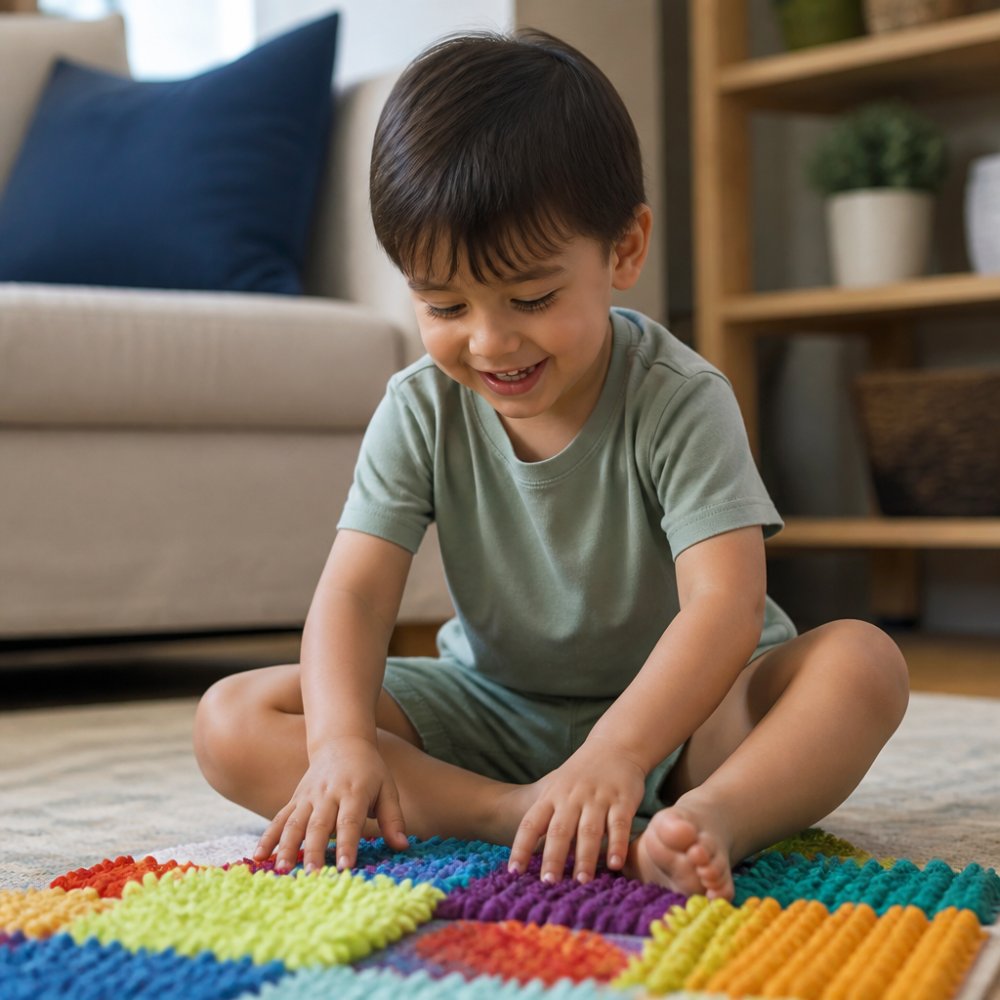
For fidget-friendly regulation during transitions between layers, Sensory Genius Sensory Mats ($19.99) offer four textures for hands and feet, which can help a child reset after an outfit change.

Building a sensory-friendly wardrobe takes patience, and the trial-and-error phase is genuinely frustrating for parents who've already bought clothes that didn't work. At Doodlebug's Children's Boutique, we've built our collection around exactly the features this guide describes: tagless construction, organic and bamboo materials, and adaptive design that removes the fasteners kids struggle with. Start with one or two pieces from our sensory-friendly clothing collection and let your child's comfort guide the rest.
Frequently Asked Questions
What is the best clothing for people with sensory issues?
The best sensory friendly clothing for kids uses soft, breathable fabrics like organic cotton or bamboo, with tagless designs and flat seams. Look for adaptive features such as magnetic closures or elastic waistbands. These elements reduce tactile irritation and support self-regulation. Parents often find that seamless toe socks and non-restrictive fits help children stay calm and focused throughout the day.
How do I help my child with clothing sensory issues?
Start by identifying triggers like tags, seams, or rough fabrics. Choose tagless, seamless options and involve your child in picking colors or styles. Use a gradual transition: let them wear new items for short periods at home. For children with autism spectrum disorder or ADHD, compression clothing can provide proprioceptive input that has a calming effect. Always respect their preferences and keep a few trusted outfits available.
What can I do if my autistic child doesn't want to wear clothes?
First, rule out physical discomfort such as scratchy tags or tight elastic. Offer soft, tagless alternatives and allow them to choose. Some children respond well to weighted clothing or compression garments that provide deep pressure. Create a calm, low-demand dressing routine. If refusal persists, consult an occupational therapist who can suggest sensory integration strategies tailored to your child's needs.
Do ADHD kids have sensory issues with clothes?
Yes, many children with ADHD experience tactile sensitivity or hypersensitivity. They may be distracted by tags, seams, or fabric textures. This can lead to fidgeting or meltdowns. Choosing sensory-smart clothing like tagless shirts, seamless underwear, and soft-touch pants can reduce sensory overload and help them focus. Compression wear may also support self-regulation for some kids.
What materials are best for sensory friendly children's apparel?
Organic cotton and bamboo are top choices because they are hypoallergenic, breathable, and soft against the skin. Moisture-wicking synthetic blends can work for active kids but may feel less gentle. Avoid rough wool or stiff fabrics. Bamboo is especially popular for its smooth texture and temperature regulation. Always check for flat seams and tagless labels to maximize comfort.
Are tag-less and seamless clothes effective for children with ADHD or autism?
Yes, tagless and seamless clothing removes common irritation points that trigger tactile defensiveness. For children with autism spectrum disorder or ADHD, this can mean fewer meltdowns and better focus. Seamless toe socks and flat seams prevent rubbing. Effectiveness varies by child, but many parents report significant improvement in comfort and willingness to dress independently when using these adaptive designs.