Last Updated: November 13, 2026
Quick Summary
Personalized blankets are better for sensory comfort when soft fabric, predictable weight, and a design a child feels ownership of come first, since the blanket a child picks is often the one they keep. Match the fabric to your child's sensory profile, then place any name or monogram away from the face.
- Bamboo blends and high-thread-count cotton suit children sensitive to scratch, seam, or fuzz.
- Name embroidery on a corner or a removable patch is usually the safest personalization.
- Start lighter than you think you need with weighted blankets and add weight only if your child seeks more pressure.
- A 45 x 60 inch throw fits toddlers and kids on the couch or bed.
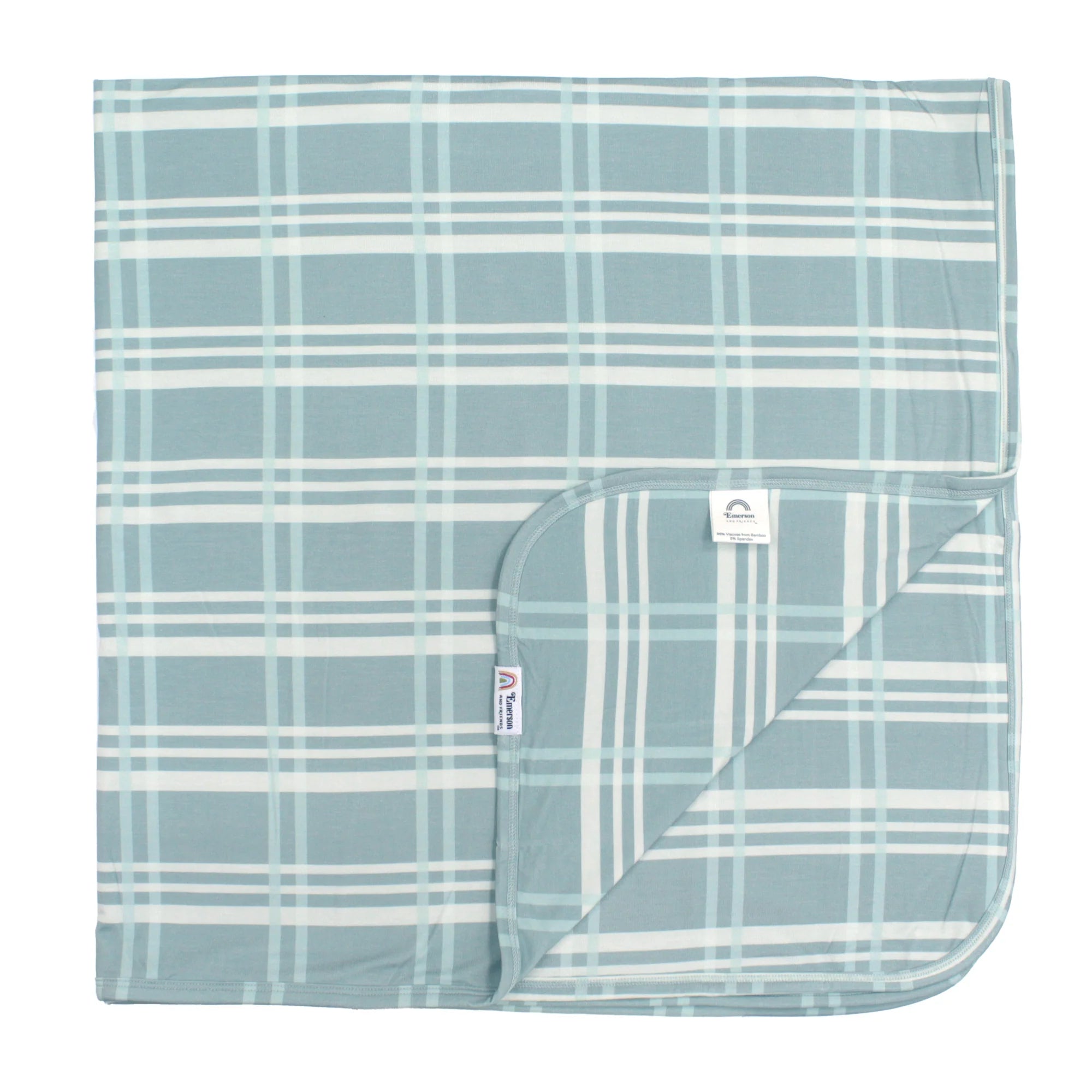
- The Blue Plaid Luxury Bamboo Blanket is a 40 x 40 inch double-layer bamboo throw priced at $44.99.
Table of Contents
- What Makes a Personalized Blanket Comforting for Sensory Needs
- Sensory Blanket Materials for Sensitive Skin
- Personalized Weighted Blanket Options and Safety
- Fidget Blankets for Autism: What They Add to a Sensory Toolbox
- Personalized Blanket Sizes for Every Age and Use
- How to Choose a Personalized Blanket: A Quick Comparison
- Shop Sensory-Friendly Blankets at Doodlebug's
- Frequently Asked Questions
What Makes a Personalized Blanket Comforting for Sensory Needs
Personalized blankets are throws or comforters customized with a name, photo, color, or design and chosen for how they feel against the skin. For a child with sensory needs, the comfort comes from three things: soft fabric, predictable weight, and a design that feels like theirs. The blanket that gets dragged everywhere is rarely the fanciest one. Often it's the one a child picked.
That sense of ownership matters more than most buying guides admit. A blanket a child chose, or one with their name on it, becomes a comfort object rather than just bedding. The fabric still has to do its job, though. Silky bamboo, brushed fleece, and plush sherpa all feel calming to most kids, while scratchy tags and stiff seams undo the effect. Below, we break down the best personalized blankets for sensory comfort by material, weight, size, and safety, so you can match one to your child instead of guessing.
Sensory Blanket Materials for Sensitive Skin
Fabric is the first decision, and it matters more than personalization. A name embroidered on scratchy wool helps no one. The useful question is not "which fabric is softest" but "which fabric matches this child's sensory profile", because the same texture that calms one child can overwhelm another.
Start with texture. Smooth, cool fabrics such as bamboo blends and high-thread-count cotton tend to suit children who are sensitive to scratch, seam, or fuzz. Brushed fleece, plush, and sherpa feel cozy and deep, which suits children who seek pressure and warmth, but they trap heat and can feel claustrophobic to a child who runs warm. Chenille and sherpa add raised texture that some children love to run their hands over and others find irritating. Ribbed knits and waffle weaves offer a middle ground with gentle texture that does not pill as quickly as plush.
Warmth is the second axis. A child who overheats at night will often reject a blanket before they can explain why, so match warmth to sleep environment rather than to the season alone. A breathable bamboo or cotton layer plus a lighter plush throw gives flexibility; a single heavy fleece blanket does not.
Sound and movement matter more than most guides admit. Crinkly fabrics, stiff binding, and noisy tags can be a dealbreaker for a child sensitive to sound, while a child who seeks auditory input may enjoy a gently rustling fabric. Check the binding and the care label placement, not just the face fabric.
Personalization is where sensory comfort and customization collide. Name embroidery on a corner or a removable patch is usually the safest addition because it sits away from the face and does not change the hand-feel of the main surface. Photo printing can be soft when done on the fabric itself, but a stiff printed panel or a heat-transfer patch can feel scratchy. Removable tags and tagless labels are worth asking about directly, a cut tag can leave a stiff remnant, and a sewn-in label against the skin is a common complaint.
Watch out: decorative patches, appliqués, and stiff embroidery can turn a soft blanket into a scratchy one. Check where any personalization sits and whether it touches the face before you buy.
A quick way to match fabric to profile:
- Sensitive to scratch and seam: bamboo blend, high-thread-count cotton, tagless construction.
- Seeks pressure and warmth: plush, sherpa, or a lighter weighted throw over a smooth base layer.
- Runs warm or overheats: bamboo, cotton, or a breathable waffle weave; avoid heavy fleece.
- Seeks texture to touch: chenille, ribbed knit, or a fidget-friendly textured throw.
- Sensitive to sound: smooth, quiet fabrics with soft binding and no crinkle layer.
Personalized Weighted Blanket Options and Safety
Weight is where weighted blankets get tricky, and where many guides skip the safety part. Weighted blankets use deep pressure touch, a gentle, distributed pressure that many people find calming. The evidence is encouraging but not conclusive, so treat weight as a comfort choice, not a treatment. A blanket can support a calming routine; it does not treat ADHD, anxiety, or a sleep disorder, and it is not a substitute for care from a pediatrician, occupational therapist, or other qualified professional.
Safety rules come first. The American Academy of Pediatrics guidance on safe sleep is clear that loose bedding and weighted products do not belong in an infant's sleep space. For toddlers and older kids, talk to your pediatrician before introducing weight, especially with any medical condition, respiratory concern, or limited mobility. A common pattern among practitioners is to start lighter than you think you need and add weight only if the child seeks more pressure.
That is a starting point, not a prescription, fit and comfort matter more than the number on the label. The blanket should drape over the body without pinning the child down, and the child should be able to push it off independently. If a child cannot remove the blanket without help, it is too heavy or too large.
Watch out: the most common mistake is buying too heavy because a heavier blanket feels more "therapeutic." A too-heavy blanket can cause overheating, restrict movement, or make a child resist blanket time altogether. Lighter is safer to start, and a smaller throw that covers the lap or torso is easier to manage than a full-bed size.
Personalization adds a second layer of decisions. Check where any name or monogram sits on a weighted blanket and whether it may contact skin before you buy.
Supervision and use rules matter as much as the product. Weighted blankets are generally intended for rest and sleep, not for use in a stroller, car seat, or swing, where a child can become trapped or overheated. Check the blanket during use for signs of overheating, flushed skin, sweating, or restlessness, and remove it if any appear. For children who cannot communicate discomfort, ask a clinician before use.
If you want deeper background, our guide on the 7 benefits of weighted blankets for autism walks through how families use them.
Fidget Blankets for Autism: What They Add to a Sensory Toolbox
Fidget blankets trade weight for activity. They add ribbons, zippers, buttons, textures, and pockets that give busy hands something to do, which can help with focus and self-regulation during quiet time. For a child who seeks sensory input, that beats a plain throw.
The catch: fasteners are a sensory gamble. Some kids find zippers soothing; others find them frustrating. If your child melts down over buttons and snaps, choose smooth textures instead. Pairing a fidget blanket with other tools helps too. Our roundup of the best sensory fidget toys for focus and calm covers options that work alongside a blanket.
Personalized Blanket Sizes for Every Age and Use
Size should follow use, not age alone. A 40 x 40 inch blanket suits swaddling, tummy time, and stroller rides for babies. A 45 x 60 inch throw fits toddlers and kids on the couch or bed. A 55 x 75 inch throw covers teens and adults.
Measure the bed or couch before ordering, and check the care label. If you're setting up a whole room, our guide to creating a sensory friendly bedroom for kids helps you plan the space around the blanket.
How to Choose a Personalized Blanket: A Quick Comparison
Match the blanket to your child's sensory profile first, then pick the design. Use this table as a starting point:
| Blanket Type | Best For | Watch Out For |
|---|---|---|
| Bamboo blend | Sensitive skin, warm sleepers | Less cozy in cold rooms |
| Fleece or plush | Cool sleepers, deep snuggle | Traps heat |
| Weighted | Calming deep pressure at rest | Not for infants; check with a doctor |
| Fidget | Busy hands, quiet focus time | Fasteners may bother some kids |
| Cotton or flannel | Easy washing, everyday use | Can feel less silky |
A simple checklist before you buy:
- Fabric is smooth, breathable, and tag-free
- Personalization does not sit against the face
- Size matches the bed, couch, or stroller
- Washable in cold water, tumble dry low
- Weight cleared for your child's age
For sleep-specific struggles, our article on helping children with sensory processing sleep goes deeper.
Shop Sensory-Friendly Blankets at Doodlebug's
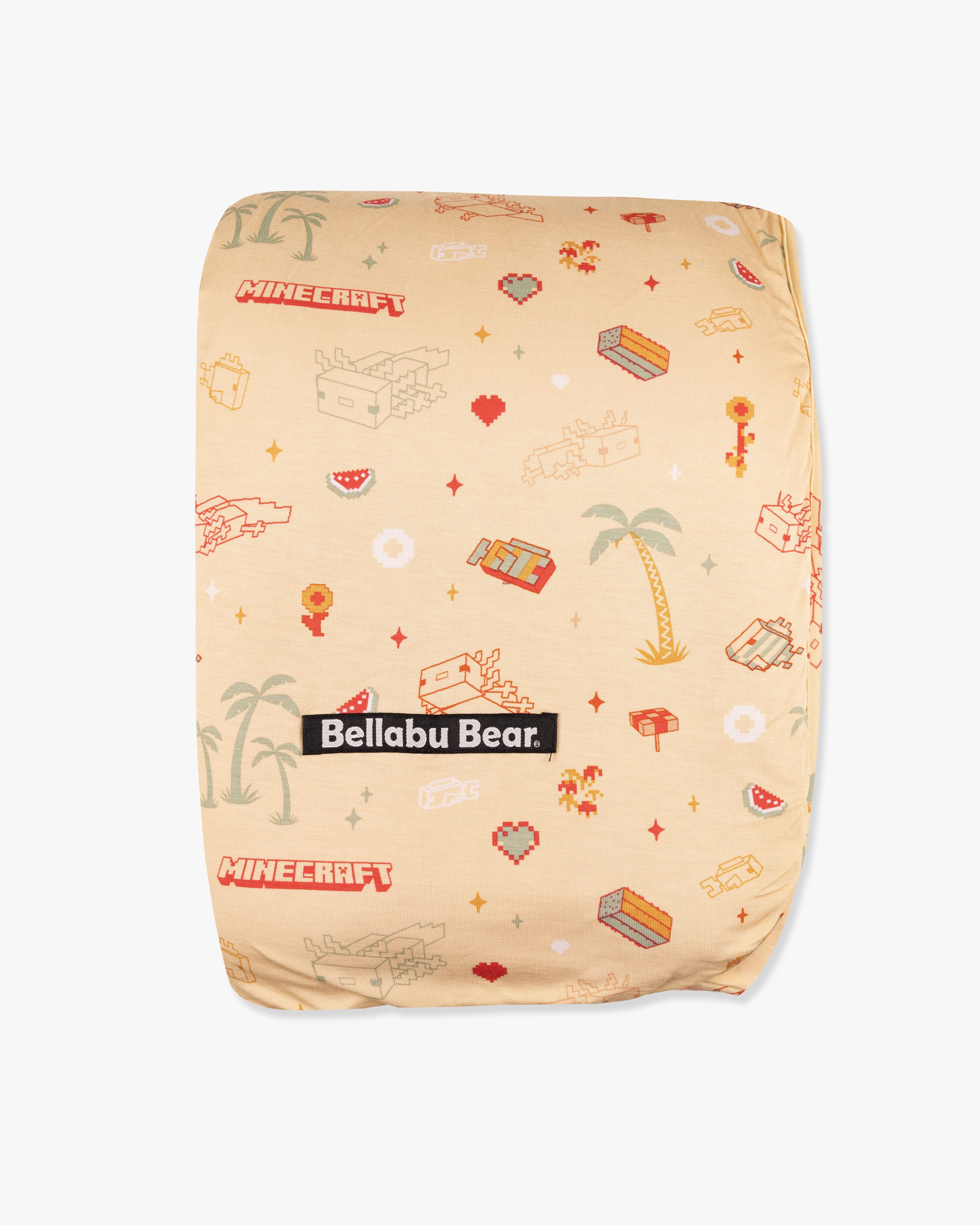
The Blue Plaid Luxury Bamboo Blanket ($44.99) is a double-layer bamboo throw at 40 x 40 inches, described as hypoallergenic and breathable. For Minecraft fans, the Minecraft: Summer Vibes Bamboo Blanket ($39.99) pairs silky bamboo with plush sherpa at 45 x 60 inches. Older kids who want something less cutesy can pick the Minecraft: Midnight Mobs Bamboo Blanket ($59.99). If you're unsure, start with one blanket and see how your child responds.
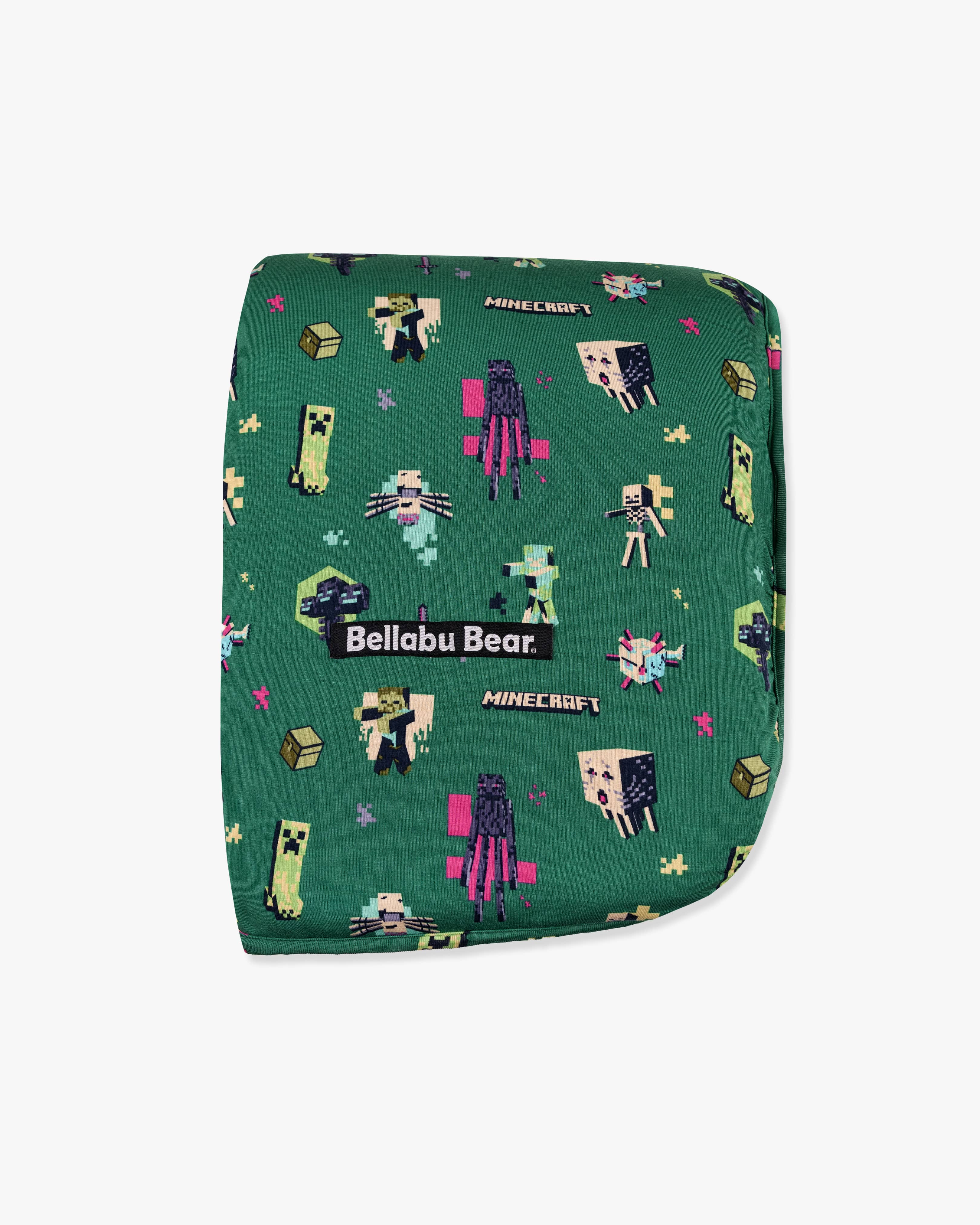
Finding a blanket your child actually keeps on the bed takes trial and error, and the wrong texture can set you back weeks. Doodlebug's Children's Boutique carries sensory-friendly blankets made from tag-less, hypoallergenic bamboo, plus fidget toys and character-themed designs tweens will actually wear and use. Start with one blanket, check the care label, and let your child pick the print. Get started with Doodlebug's Children's Boutique and give your child a blanket that feels like theirs.
Frequently Asked Questions
What makes a blanket sensory-friendly?
A sensory-friendly blanket minimizes triggers and adds calming input. Smooth seams, breathable fabric like bamboo or cotton, and a weight or texture the child finds soothing are common considerations. Some children prefer a silky bamboo surface, while others seek the deep pressure of a weighted blanket or the busy texture of a fidget blanket. The right choice depends on your child's sensory profile, so test one fabric and weight at a time before buying multiples.
What is the difference between a fidget blanket and a weighted blanket?
A fidget blanket adds small tactile elements, such as textured patches, ribbons or zippers, that give restless hands something to do. A weighted blanket uses evenly distributed weight to provide deep pressure touch, which some children find calming for sleep or anxiety. They serve different needs: fidget blankets for autism support focus and self-regulation during the day, while weighted blankets are usually for rest. Some families use both at different times.
How do I choose the right size personalized blanket?
Match the size to the use. A 40 x 40 inch blanket suits babies and toddlers for swaddling, tummy time or stroller cover. A 45 x 60 inch size fits kids and tweens for bedtime and lounging, and a 55 x 75 inch throw covers teens and adults. For a weighted blanket, follow the maker's weight guidance and keep it sized to the child, not the bed, so the weight stays manageable and safe.
How should I wash a personalized sensory blanket?
Check the care label first, since personalization and fabric blends vary. Many bamboo blankets call for a cold machine wash on a gentle cycle and tumble dry low. Wash separately from coarse items like denim or Velcro, which can pill the surface and dull the softness. Skip fabric softener and harsh detergents to protect sensitive skin, and air dry when you can to extend the blanket's life.
Prices of Doodlebug's sensory-friendly bamboo blankets
