
Table of Contents
- Why Magnetic Closure Clothes for Kids Change Morning Routines
- How Magnetic Fasteners Work and What Makes Them Safe
- Sensory Friendly Pajamas for Kids: Bedtime Without Battles
- Adaptive Clothing for Children with Disabilities: Independence at Every Age
- Magnetic Closure Clothes for Kids: What to Look For Before You Buy
- Magnetic Me Picks from Doodlebug's Children's Boutique
- DIY Repair and Long-Term Care for Magnetic Clothing
- Conclusion
- Frequently Asked Questions
Last Updated: September 12, 2026
Why Magnetic Closure Clothes for Kids Change Morning Routines
Magnetic closure clothes for kids replace buttons, snaps, and zippers with hidden magnets that connect the moment fabric edges meet. For families managing sensory processing differences, ADHD, or simply rushed school mornings, that single design change removes the most common friction point in getting dressed.
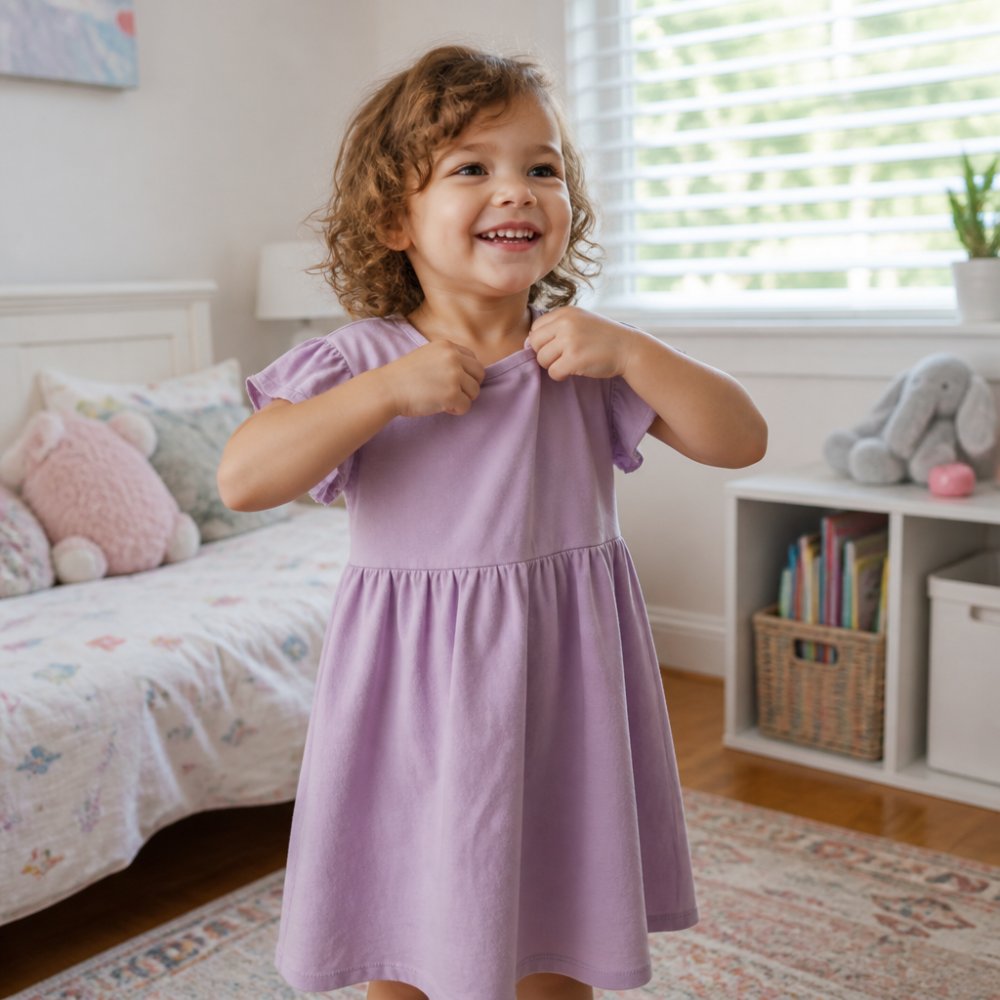
At Doodlebug's Children's Boutique, we hear the same story from parents again and again: the meltdown rarely starts with the shirt itself. It starts with the fastener. A child who can pull a magnetic dress over her head in seconds keeps her calm and gets to breakfast on time. A child wrestling with a stuck zipper learns to dread the whole routine.
The American Occupational Therapy Association's guidance on sensory processing notes that tactile defensiveness around clothing fasteners is one of the most frequently reported daily-living challenges for children with sensory differences.
How Magnetic Fasteners Work and What Makes Them Safe
Magnetic fasteners are sewn-in closures that use small, sealed magnets to hold two garment edges together, releasing when a child pulls the fabric apart. They behave like a button without the fine motor demand, which is why they show up on necklines, back plackets, and waistbands of kids' clothing.
There are two common constructions. The first is a magnetic snap, a pair of disc-shaped magnets, one sewn into each side of the opening, that click together when the edges meet. The second is a magnetic strip or tape, a flexible length of magnetized material stitched inside a fabric channel, used on longer openings like a back placket. Snaps give a more defined 'click' and hold; strips lie flatter and are easier to align for small hands.
Safety comes down to construction, not the magnet itself. A well-made closure has three traits:
- Fully encased magnets. The magnet sits inside a sealed fabric pocket or a molded plastic shell, with no exposed edge a child can pick at.
- Reinforced stitching. Look for a double row of stitching or a bartack at each end of the closure channel. This is what keeps the magnet from migrating or working loose after repeated washing.
- Correct placement. On older children's garments, closures sit away from the mouth and are sized so they cannot be easily removed and swallowed.
The Consumer Product Safety Commission's guidance on children's apparel sets the federal requirements for children's clothing, including small-part and flammability rules that reputable makers follow. A common mistake is assuming all magnetic closures are equal. In practice, cheap versions use weak magnets that pop open during play, while well-made ones hold through a full day at school.
A few practical checks before you buy:
- Pull test. Gently tug the two edges apart. A good closure releases with firm, even resistance, not a light flick.
- Feel for the magnet. You should not be able to feel a hard disc pressing through the fabric against your child's skin.
- Check the wash label. Magnets that survive a warm machine wash and a low dryer cycle are built to last; high heat is what weakens the adhesive or stitching around the closure over time.
Sensory Friendly Pajamas for Kids: Bedtime Without Battles
Sensory friendly pajamas for kids solve a different problem than daytime clothing: seams, tags, and tight waistbands that feel fine at 7 a.m. can become unbearable at bedtime, when fatigue lowers a child's tolerance for irritation.
The features that matter most at night:
- Tag-less necklines that eliminate the scratch most kids notice first
- Flat seams or seamless construction to avoid ridges against the skin
- Soft-touch waistbands that sit flat instead of digging in
- Breathable fabric like modal, bamboo, or organic cotton to prevent overheating
Modal and bamboo blends tend to win here because they drape softly and stay cool. If your child still complains about seams in tag-less pajamas, the issue is usually the seam construction itself, not the tag.
Adaptive Clothing for Children with Disabilities: Independence at Every Age
Adaptive clothing for children with disabilities is apparel designed so a child can dress themselves with less adult help, using closures and cuts matched to their motor skills. The goal is self-dressing, not just convenience for the grown-up.
Magnetic closures, pull-on styles, and elastic waistbands all serve that goal. So does sizing: a husky fit or a relaxed regular fit can mean the difference between a child managing their own waistband and needing help every time.
What most guides miss is the confidence piece. A child who dresses independently at age six carries that habit into age ten. Choosing growth-friendly, easy-on easy-off designs early builds a routine that sticks.
Magnetic Closure Clothes for Kids: What to Look For Before You Buy
Magnetic closure clothes for kids are worth the investment only if the fabric, fit, and washability hold up. Here is how to judge a garment before you commit.
Fabric, Fit, and Washability
Prioritize soft, durable fabric that survives repeated washing, since sensory-friendly clothing gets worn hard. Modal, bamboo, and organic cotton blends hold their softness better than stiff synthetics. Check that the garment is machine washable and that the magnets are sealed well enough to survive the dryer.
Fit matters as much as fabric. A waistband that gaps or pinches defeats the purpose. Look for internal adjusters, a drawstring closure, or a button-hole elastic waist so you can fine-tune the fit as your child grows.
Age-Appropriate Styles That Tweens Will Actually Wear
The tween problem is real: a ten-year-old with sensory needs often refuses anything that looks babyish. Jogger style pants, clean chino pants, and casual-smart tops with hidden magnetic closures pass the "cool enough" test while still being easy to put on.
| Feature | What to Look For | Why It Matters |
|---|---|---|
| Closure | Hidden magnets, no exposed hardware | Removes fastener frustration |
| Fabric | Modal, bamboo, organic cotton | Soft, breathable, holds up in the wash |
| Waistband | Elastic, drawstring, or internal adjusters | Grows with your child |
| Seams | Flat or seamless, tag-less neckline | Prevents skin irritation |
| Care | Machine washable, dryer-safe magnets | Survives real family life |
Magnetic Me Picks from Doodlebug's Children's Boutique
The Disney Magnetic Me Princess Modal Magnetic Easy Peasy Dress + Legging Set ($52.99) is the piece we recommend most for younger kids who are ready to dress themselves. Magnetic closures at the back make pull-over dressing simple, and the modal fabric stays soft wash after wash. The matching leggings mean one outfit covers school, play, and everything between.

For a dressier option, the Disney Magnetic Me Princess Modal Magnetic Easy Peasy Tutu Dress ($52.99) uses the same magnetic neckline that expands for over-head dressing, with a tutu skirt in rainbow pastels. Beloved Disney characters make it a favorite for kids who need a reason to feel excited about getting dressed.
Both are tag-less, made from long-lasting modal, and designed around the same idea: fewer fasteners, more independence.
DIY Repair and Long-Term Care for Magnetic Clothing
Most guides stop at 'wash it gently.' That leaves parents stuck when a magnet loosens or a closure stops holding, the exact moment a $50 garment gets retired early. Here is the maintenance routine that keeps magnetic clothing in rotation for years instead of one season.
The wash routine that protects magnets
- Turn garments inside out before washing so the closure channel is not rubbing against other clothes.
- Use a gentle or delicate cycle with cold or warm water, not hot.
- Skip the high-heat dryer setting. Tumble low or line dry. Heat is what weakens the adhesive or stitching around a sealed magnet over time.
- Close the magnets before washing so the two sides do not grab and stretch the fabric channel in the drum.
- Wash magnetic pieces with similar fabrics, not with towels or items that have zippers, hooks, or velcro that can snag the closure channel.
Checking the closure after every few washes
A quick 30-second inspection catches most problems before they become repairs:
- Feel along the closure channel for any spot where the fabric feels thin or the magnet has shifted.
- Pull the edges apart and confirm the closure still releases with firm, even resistance.
- Look for loose threads at the ends of the channel, that is where a magnet typically starts to escape.
Replacing or tightening a loose magnet
If a magnet has come loose but the fabric is intact, you can usually re-seat it yourself:
- Open a small seam at the end of the closure channel with a seam ripper, just wide enough to slide the magnet back into place.
- Reposition the magnet so it sits flat and centered in its pocket.
- Stitch the opening closed with a matching thread and a double row of small stitches, then add a bartack at each end for reinforcement.
- Test the closure by pulling the edges apart several times before returning the garment to the drawer.
If the fabric around the magnet is worn thin, a simple patch of soft cotton stitched over the pocket adds a layer of protection and extends the life of the closure.
When to replace rather than repair
Repair is worth it when the fabric is sound and only the stitching has failed. Replace the garment when the magnet itself has lost its hold, when the fabric around the closure is torn through, or when a magnet cannot be fully re-encased, a partially exposed magnet is a safety issue, not a sewing project.
Conclusion
Building a wardrobe that works for a sensory-sensitive child takes trial and error, and the wrong fastener can undo months of progress. Start with one magnetic piece, watch how your child responds, and build from there.
Doodlebug's Children's Boutique carries tag-less, sensory-friendly clothing made from organic and bamboo materials, plus fair-trade options and character-themed pieces kids actually want to wear. Explore the collection and give your family calmer, easier mornings.
Frequently Asked Questions
Are magnetic closure clothes safe for children?
Yes, magnetic closure clothes for kids are safe when the magnets are securely sewn inside the fabric and not accessible to small children. The magnets used in quality garments are strong enough to hold the closure but are fully encased, so there is no choking hazard. If you have a child with a medical device such as a pacemaker, consult your doctor first, as strong magnets can interfere with some devices.
Do magnetic fasteners hold up in the wash?
Magnetic fasteners hold up well in the wash when you follow the care label. Most magnetic closure clothes for kids are machine washable on a gentle cycle with cold water. To protect the magnets and fabric, turn the garment inside out, avoid high heat in the dryer, and skip fabric softener, which can coat the magnets. With proper care, the closures typically last through many washes.
What are the benefits of bamboo fabric for sensory-sensitive children?
Bamboo fabric is soft, breathable, and moisture-wicking, which helps children with sensory processing disorders stay comfortable. It has a smooth, cool feel that reduces irritation from rough textures. Many sensory friendly pajamas for kids use bamboo or a bamboo blend because it stretches with movement and does not trap heat. For kids with sensitive skin, bamboo is also naturally hypoallergenic, making it a calming choice for everyday wear.
Can magnetic closure clothes help children with fine motor delays dress themselves?
Yes. Magnetic closures eliminate the need for pinching, pulling, or twisting small buttons and zippers. Children with fine motor delays can often dress themselves independently when the garment simply pulls apart and snaps back together with magnets. This builds confidence and supports age-appropriate independence milestones. Adaptive clothing for children with disabilities frequently uses magnetic fasteners for exactly this reason.