
Table of Contents
- What Makes Sensory-Friendly Clothing for Kids Different
- BabyRiddle Alternatives: Understanding Your Options
- Best Fabrics for Sensory-Sensitive Children: Bamboo vs Cotton vs Blends
- Sensory-Friendly Pajamas for Kids: What Sets Them Apart
- Comparison: Construction, Fit, and Real-World Performance
- How to Choose the Right Sensory-Friendly Brand for Your Child
- Frequently Asked Questions
Last Updated: October 13, 2026
What Makes Sensory-Friendly Clothing for Kids Different
Sensory-friendly clothing for kids is designed for children with sensory processing challenges, autism, ADHD, or sensitive skin that reacts to common fabric irritants. Unlike standard children's clothing, sensory-friendly options eliminate or minimize discomfort triggers: scratchy tags, raised seams, tight elastic, rough textures, and restrictive fits that cause anxiety or physical distress.
At Doodlebug's Children's Boutique, we understand that getting dressed shouldn't be a battle. For many children with sensory sensitivities, the wrong clothing can derail an entire day before it starts. The right sensory-friendly clothing creates a calm, comfortable foundation that lets kids focus on learning, playing, and being themselves.
The key differences come down to construction choices. Sensory-friendly clothing brands prioritize soft, breathable fabrics like bamboo viscose that feel smooth against skin rather than cottony or rough. They use flat seams or seamless designs that sit flush against the body instead of creating ridges that irritate. Tags are removed entirely or printed directly onto fabric. Waistbands and closures are designed for comfort and easy adjustment rather than tight restriction.
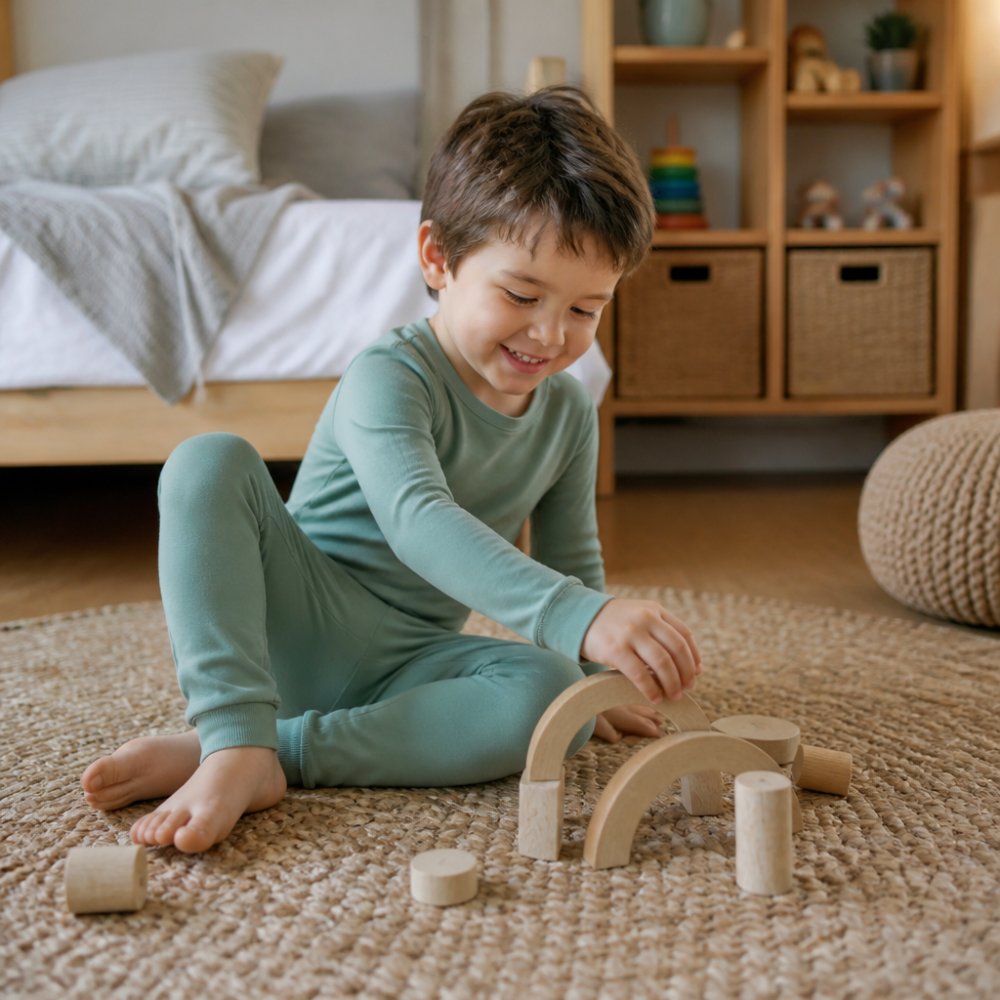
These design choices matter more than most parents realize. A child who refuses to wear clothing isn't being difficult, they're responding to genuine physical discomfort. Once you find sensory-friendly options that work, you'll notice less resistance at bedtime, fewer meltdowns during transitions, and clothes that actually get worn.
BabyRiddle Alternatives: Understanding Your Options
If you've been shopping for sensory-friendly clothing, you've likely encountered BabyRiddle, which focuses on tagless, soft basics. But it's far from the only option, and depending on your child's sensitivities, age, and style preferences, other brands may serve you better.
The sensory-friendly clothing market has grown significantly, with options ranging from premium boutique brands to accessible everyday alternatives, each with different strengths in fabric, construction, design variety, and price. The challenge is knowing which brand actually solves your child's specific sensory challenges rather than just marketing buzzwords.
Key Features That Matter
When evaluating sensory-friendly clothing brands, focus on these concrete features rather than marketing claims alone:
Fabric composition. Bamboo viscose, organic cotton, and cotton blends dominate the sensory-friendly space. Bamboo is hypoallergenic, breathable, and silky. Organic cotton avoids pesticide residues but feels stiffer. Blends balance softness and durability.
Seam construction. Flat or seamless designs eliminate the raised ridges that trigger discomfort. Look for brands that specify seam type in product descriptions.
Tag removal. True tagless construction means no tags at all, not tags folded under or printed labels that still create texture. Some brands print size information directly on the garment.
Fit and stretch. Sensory-friendly clothing should allow freedom of movement without being baggy. Stretch fabrics (usually a spandex blend) provide comfort while maintaining a secure fit that doesn't ride up or shift.
Closure options. Zippers, buttons, and snaps can trigger sensory distress. Elastic waistbands, magnetic closures, and pull-on designs offer easier alternatives for children with fastener sensitivities.
Best Fabrics for Sensory-Sensitive Children: Bamboo vs Cotton vs Blends
The fabric you choose directly impacts your child's comfort. Three options dominate sensory-friendly clothing: bamboo viscose, organic cotton, and blended fabrics, each with distinct properties affecting feel, breathability, durability, and care.
Bamboo viscose feels silky and smooth against skin. It's naturally hypoallergenic, temperature-regulating, and moisture-wicking, pulling sweat away rather than trapping it. Bamboo is highly breathable, ideal for kids who get hot easily.
Organic cotton is grown without synthetic pesticides, making it a good choice for children with chemical sensitivities or eczema-prone skin. It's durable and washes well, but can feel stiffer than bamboo and lacks the same silky texture sensory-sensitive kids prefer.
Blended fabrics (typically bamboo or cotton mixed with spandex) combine softness with stretch and durability. A 95% bamboo / 5% spandex blend gives the silky feel of bamboo with enough elasticity to maintain shape through wear and washing, and resists pilling better than pure bamboo.
Sensory-Friendly Pajamas for Kids: What Sets Them Apart
Pajamas are often where sensory issues become most visible. Children spend 8-10 hours per night in them, and uncomfortable sleepwear can trigger bedtime resistance, difficulty falling asleep, or frequent waking. Sensory-friendly pajamas prioritize comfort features standard pajamas ignore.
Quality sensory-friendly pajamas use soft, breathable fabrics that regulate temperature overnight. They eliminate tags entirely, use flat or nonexistent seams, soft stretchy waistbands, and sleeves and pant legs that fit snugly enough to feel secure but loose enough for full movement.
Many sensory-friendly pajama brands use a snug fit design for safety, meeting sleepwear standards without flame-retardant chemicals. A properly fitted snug pajama stays in place during sleep without chemical treatment.
At Doodlebug's Children's Boutique, we carry options like the Kickee Pants Falcon Snow Kids Bamboo Pajama Set at $19.99, which features 95% viscose from bamboo fabric with flat seams and a snug, safe fit. For children who love character themes, the Minecraft: Chicken Jockey Bamboo Kids Pajamas at $39.99 combines sensory-friendly construction with engaging designs that tweens actually want to wear.

Comparison: Construction, Fit, and Real-World Performance
Here's where the practical differences between brands become clear. We've compared Doodlebug's Children's Boutique offerings against the broader sensory-friendly market based on construction quality, durability, and real-world usability.
Girls Bamboo Ruffle Pants in Berry – Ultra Soft Sensory-Friendly Baby Bottoms →
| Feature | Doodlebug's Bamboo Options | Typical Budget Alternatives | Premium Sensory Brands |
|---|---|---|---|
| Fabric | 95% bamboo viscose / 5% spandex | Cotton or cotton blend | Organic bamboo or specialty blends |
| Seam Type | Flat seams | Standard seams | Flat or seamless |
| Tag Design | Completely tagless | Folded tags or printed labels | Completely tagless |
| Fit | Snug, sensory-conscious | Standard fit | Fitted for comfort and safety |
| Price Range | $12.99-$40.00 | $15-$25 | $30-$60+ |
| Durability | Good | Fair to good | Excellent (30+ washes) |
| Design Variety | Character themes + basics | Limited basics | Extensive variety |
Tagless and Flat-Seam Design
Tagless construction and flat seams are non-negotiable for serious sensory needs. A tag folded under or printed on the garment still creates texture some children find irritating. True tagless means zero tags anywhere.
Flat seams sit flush against skin instead of creating a raised ridge. Standard seams create a noticeable line along the side of the body or inside the arm, and for sensory-sensitive children this constant texture can be intolerable.
When evaluating brands, check product descriptions carefully. If a brand doesn't explicitly state "tagless" or "flat seams," it likely uses standard construction. Reliable sensory-friendly brands are transparent about these features.
Pricing and Long-Term Value
Price alone doesn't determine value in sensory-friendly clothing. A $15 shirt your child refuses to wear has infinite cost per wear; a $40 pajama set they wear every night has genuine value.
Doodlebug's Children's Boutique offers sensory-friendly options across a range of price points. The Girls Bamboo Ruffle Pants in Berry at $12.99 provide entry-level sensory-friendly basics. Mid-range options like the Kickee Pants Falcon Snow Pajama Set at $19.99 offer premium construction at accessible pricing. Higher-end pieces like the Minecraft: Chicken Jockey Bamboo Kids Pajamas at $39.99 combine sensory features with character appeal for older kids who refuse "babyish" designs.

The real value question: will your child wear it? A sensory-friendly garment that sits unworn has no value regardless of price. A well-made piece worn regularly, washed often, and lasting through multiple children or seasons offers genuine long-term value.
Durability and Care
Bamboo viscose requires more careful handling than cotton but rewards it with sustained softness. Machine wash cold on a gentle cycle, tumble dry low, and avoid bleach and fabric softeners to extend garment life.
Blended fabrics (bamboo with spandex) are more durable than pure bamboo because the spandex adds elasticity and helps the garment resist pilling. These blends typically hold their shape and softness with proper care.
Doodlebug's Children's Boutique products are designed to hold up through multiple washes. Follow care instructions: cold water, gentle cycle, low heat drying. Avoid the delicate cycle for bamboo, and use color catcher sheets when washing with other items.
How to Choose the Right Sensory-Friendly Brand for Your Child
Start with your child's specific sensory triggers. Is it texture, tags and seams, tight fits, or temperature sensitivity? Different brands excel at addressing different issues.
If texture is the primary concern, prioritize soft fabric. Bamboo viscose generally wins here. If your child has chemical sensitivities, organic cotton or organic bamboo matters. If they refuse anything that looks "babyish," look for brands with character themes and tween-appropriate designs, like the Minecraft pajamas Doodlebug's carries.
Consider fit next. Some children need snug clothing for security; others find any tightness intolerable and need relaxed fits. Sensory-friendly doesn't mean one-size-fits-all, so the best brands offer sizing guidance and fit descriptions.
Test with one item before committing to a full wardrobe. Buy a single pair of pajamas or a basic shirt and see how your child responds over a week. Does the fabric feel right? Does the fit allow comfortable movement? Any unexpected irritation points? Once something works, expand into more pieces.
Research brand reviews from parents with similar sensory profiles. If your child has autism, look for reviews from other autistic children's parents. If chemical sensitivity is the issue, seek feedback from parents dealing with eczema or chemical sensitivities. Sensory experiences are individual, but peer experiences from similar situations are invaluable.
Price should be your last consideration, not your first. A cheaper brand your child won't wear costs more than a premium brand they actually use. Doodlebug's Children's Boutique offers genuine value across price points, from the $12.99 Bamboo Ruffle Pants to the $40 Care Bears Convertible Romper.
Choosing sensory-friendly clothing for your child is about solving a real problem: getting them dressed without distress. The brands that succeed do this through thoughtful construction, soft fabrics, eliminated tags, flat seams, and comfortable fits, not marketing claims.
At Doodlebug's Children's Boutique, we've curated a collection of sensory-friendly clothing and pajamas designed to make getting dressed easier for kids with sensory sensitivities. From the ultra-soft Bamboo Ruffle Pants to character-themed pajamas like the Minecraft Chicken Jockey set, our options combine genuine sensory-conscious construction with designs kids actually want to wear.

Frequently Asked Questions
What makes clothing sensory-friendly for children?
Sensory-friendly clothing removes common irritants that trigger discomfort for children with sensory processing sensitivities. Key features include tagless designs (no labels scratching skin), flat or seamless seams, soft fabrics like bamboo viscose, and relaxed or stretchy fits that don't restrict movement. These garments reduce sensory discomfort from texture, tightness, and friction, helping children focus on their day instead of how their clothes feel.
How do BabyRiddle alternatives compare in terms of fabric quality?
Most sensory-friendly brands, including options at Doodlebug's Children's Boutique, prioritize bamboo viscose fabric because it's naturally hypoallergenic, breathable, and softer than cotton. Bamboo fabric is moisture-wicking and temperature-regulating. The Kickee Pants Falcon Snow pajamas ($19.99) and Minecraft Chicken Jockey set ($39.99) both use 95% bamboo viscose blended with spandex for stretch and durability. Quality varies by brand, but premium sensory-friendly options consistently outperform basic cotton in comfort and longevity.
Are tagless and seamless designs really necessary for sensory-sensitive kids?
Yes, for many children with sensory processing issues. Tags and raised seams create constant friction and tactile irritation that can trigger meltdowns or refusal to wear clothing. Tagless designs eliminate this source of discomfort entirely. Flat or seamless seams reduce the bumpy texture that bothers sensitive skin. While not every child needs both features, removing these irritants significantly improves comfort for kids with autism, ADHD, or sensory processing disorder. It's often the difference between a child willingly getting dressed and a daily battle.
What price difference should I expect between sensory-friendly brands?
Sensory-friendly clothing typically costs more than standard children's apparel because of premium fabric quality and construction standards. Doodlebug's Children's Boutique offers options ranging from $12.99 for the Girls Bamboo Ruffle Pants to $40.00 for character-themed convertible rompers. Bamboo fabric, tagless construction, and flat seams add manufacturing cost. The investment pays off through durability, quality sensory-friendly pieces hold up wash after wash, and reduced replacement frequency because children actually wear them without complaint.