
Table of Contents
- What Makes Sensory-Friendly Children's Clothing Different
- Why Children Refuse to Wear Certain Clothing Textures
- Pika Layers vs Caden Lane: Key Differences at a Glance
- Best Bamboo Pajamas for Babies: What to Look For
- Fit, Sizing, and Long-Term Comfort
- Safety Standards and Certification
- Price-to-Value: What You're Really Paying For
- Common Mistakes Parents Make When Choosing Sensory Pajamas
- Frequently Asked Questions
Last Updated: October 17, 2026
What Makes Sensory-Friendly Children's Clothing Different
Sensory-friendly children's clothing is designed for kids whose nervous systems process touch, texture, and pressure differently. These garments eliminate irritants like tags, seams, and tight elastic that trigger distress in children with autism, sensory processing disorder, or sensitive skin. The difference is functional: a child who refuses regular clothes because seams feel like sandpaper can often wear sensory-friendly options without complaint.
At Doodlebug's Children's Boutique, we know clothing comfort directly impacts a child's ability to focus, participate, and feel confident. Sensory-friendly design prioritizes what matters: soft textures, minimal construction, and breathable fabrics like bamboo viscose that move with the body.
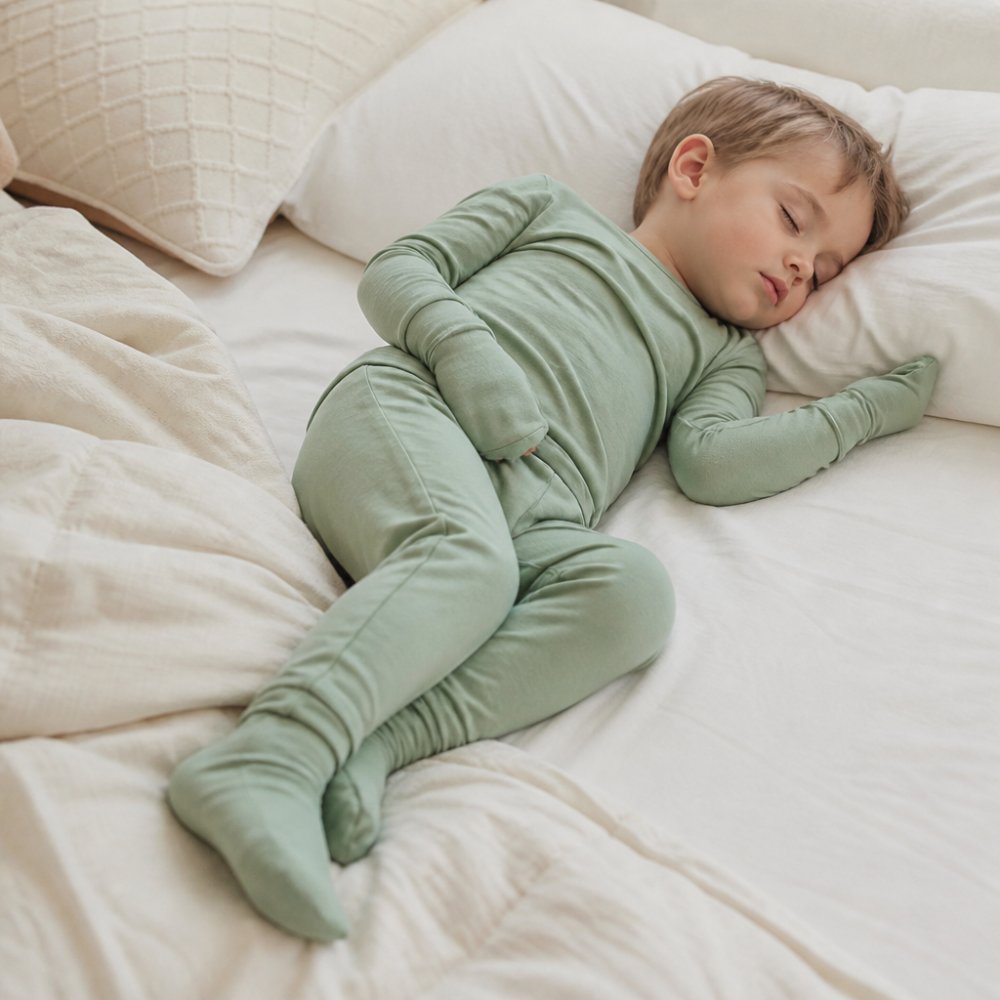
Core features include tag-free construction, flat or no seams, breathable hypoallergenic materials, and gentle compression without restriction. Many brands add fold-over mittens to prevent hand-picking and fold-over feet to keep socks from shifting, solutions to real daily problems, not luxuries.
Why Children Refuse to Wear Certain Clothing Textures
Children with sensory sensitivities experience clothing differently. The reasons are neurological: their sensory processing systems amplify certain tactile sensations, making them hypersensitive to textures, seams, elastic tightness, and fabric weight other children barely notice.
Tags are often the first culprit, a tag rubbing the back of the neck can make a child refuse a garment entirely. But seams, especially rough or thick ones, create intolerable pressure lines, and snug elastic waistbands, cuffs, and necklines become constant irritation rather than secure fit.
Fabric texture matters equally. Synthetic materials and cheap cotton blends can feel stiff or scratchy, and some children describe textures as "itchy" or "wrong" even when fabric isn't technically rough. Moisture-wicking matters too: when sweat builds up or fabric feels damp, many sensory-sensitive children become distressed.
The emotional response is real. A child refusing to wear something isn't being difficult, their nervous system is signaling that the stimulus is unbearable. Instead of fighting the child, find clothing that works with their sensory system rather than against it.
Pika Layers vs Caden Lane: Key Differences at a Glance
When comparing Pika Layers vs Caden Lane, both brands have built reputations in sensory-friendly children's clothing, emphasizing tag-free construction and soft materials. They differ in fabric composition, design philosophy, and the sensory needs they prioritize, differences that help parents match a brand to their child's sensitivities.
| Feature | Pika Layers | Caden Lane |
|---|---|---|
| Primary Material | Bamboo viscose blends | Organic cotton primarily |
| Tag-Free | Yes | Yes |
| Fold-Over Mittens | Available on select items | Standard on most items |
| Seam Construction | Flat seams on most pieces | Flat seams throughout |
| Price Point | Mid-range | Higher-end |
| Fabric Weight | Lighter, more breathable | Heavier, more structured |
| Sizing Consistency | Runs true to size | Runs slightly small |
| Wash Durability | Good with proper care | Excellent, holds up to frequent washing |
Fabric Composition and Material Quality
Pika Layers emphasizes bamboo viscose, often blended with spandex for stretch and durability. Bamboo viscose offers exceptional softness and breathability, ideal for children who overheat easily or are sensitive to heavy fabrics, and feels smoother against the skin than traditional cotton.
Caden Lane focuses primarily on organic cotton, sometimes blended with elastane. Organic cotton eliminates pesticide residues that can irritate sensitive skin, and its slightly heavier hand creates more structure and support, though with reduced breathability compared to bamboo.
In practice, a child who overheats easily typically sleeps better in bamboo viscose, while a child who needs more sensory input and structure may feel more secure in heavier organic cotton. Neither is objectively better, it depends on the child's sensory profile.
Design Features and Sensory Considerations
Pika Layers offers fold-over mittens on selected items, particularly sleepwear. Mittens prevent hand-picking and scratching during sleep, valuable for children with stimming behaviors, but they aren't standard across the line, so parents must select items with this feature.
Caden Lane includes fold-over mittens as standard on most pajama styles, plus fold-over feet that keep socks from shifting. That consistency matters for parents managing multiple sensory issues: a child who picks at their hands and struggles with sock displacement gets both features by default rather than as options.
Both brands use flat seams throughout, reducing pressure lines, and both use soft printed size labels instead of traditional tags. Seam placement differs slightly: Pika Layers sometimes uses side seams, while Caden Lane tends toward center-back seams that keep pressure off the sides where children notice it most.
Durability and Wash Performance
Bamboo viscose, while incredibly soft, requires careful washing. Pika Layers pajamas typically maintain softness through 20-30 washes with cold water, gentle cycle, and air drying; after that, the fabric can pill or lose softness. This isn't a defect, it's the nature of the material.
Caden Lane's organic cotton holds up significantly better to frequent washing, parents report maintaining structure and softness through 50+ washes, even with regular machine drying. For families doing laundry multiple times per week, a garment that lasts twice as long effectively costs half as much over time, even at a higher initial price.
Fabric recovery is notably better in Caden Lane's pieces: after a full night of wear, they look fresh the next morning, while Pika Layers pieces sometimes show slight wrinkling or bagging around the knees and elbows even after gentle washing.
Best Bamboo Pajamas for Babies: What to Look For
When selecting bamboo pajamas for infants and toddlers, prioritize thermal regulation and fabric weight. Babies can't adjust their own clothing or communicate discomfort, so the garment must work intuitively with their temperature needs. Bamboo viscose excels here, wicking moisture and breathing better than most alternatives to reduce overheating during sleep.
Look for seam placement that keeps pressure off a baby's sensitive skin, side or back seams matter more than for older children, and flat seams prevent raised lines that irritate newborn skin. Avoid tight elastic around the neck, wrists, or ankles; babies grow rapidly and snug elastic becomes restrictive quickly.
Sizing consistency is critical. Bamboo viscose sometimes shrinks slightly in the wash, so check the brand's sizing notes before purchasing; many parents size up slightly with bamboo pieces to account for this and ensure longer wear.
Fabric weight matters for temperature regulation: lighter-weight bamboo suits warm climates or babies who run hot, while heavier blends provide warmth for cooler seasons. Options in both weights let parents adjust as seasons change without buying entirely new wardrobes.
Fit, Sizing, and Long-Term Comfort
Pika Layers typically runs true to size with a more relaxed fit, which suits children who feel restricted by snug clothing or have body awareness sensitivities.
Caden Lane runs slightly small, so many parents size up. The fit is more fitted than Pika Layers without being restrictive, providing gentle compression many children find calming and organizing, though children grow out of Caden Lane garments more quickly because less room for growth is built in.
Fold-over feet and mittens affect fit: openings need to be slightly larger than standard to accommodate the folded cuff without cutting off circulation. Both brands account for this, but sizing may feel different when transitioning from regular to sensory-friendly pajamas, even within the same size number.
Long-term comfort depends on how the garment holds its shape. Bamboo viscose that bags or wrinkles becomes uncomfortable as loose fabric bunches during sleep. Caden Lane's superior fabric recovery keeps garments comfortable for months of nightly wear; Pika Layers pieces typically remain comfortable for 2-3 months before degradation becomes noticeable.
Safety Standards and Certification
Children's sleepwear in the United States must meet specific flammability standards set by the Consumer Product Safety Commission (CPSC). According to CPSC regulations for children's sleepwear, garments must either be flame-resistant or fit snugly enough that loose fabric cannot catch fire.
Caden Lane explicitly states that their garments meet CPSC standards and provides documentation upon request. Pika Layers also complies with these standards, though their documentation is less readily available on their website. For parents concerned about safety certifications, Caden Lane's transparency on this issue is a meaningful advantage.
Organic certification matters for children with severe skin sensitivities or chemical reactions. Caden Lane carries GOTS (Global Organic Textile Standard) certification for their organic cotton, which verifies that the cotton was grown without synthetic pesticides and processed without harmful chemicals. Pika Layers doesn't explicitly market GOTS certification, though their bamboo materials are sustainably sourced.
Hypoallergenic labeling appears on both brands, but the term itself isn't regulated by any government agency. Both brands' materials are genuinely less likely to trigger allergic reactions than synthetic alternatives, but "hypoallergenic" is more a practical description than a certified claim.
Price-to-Value: What You're Really Paying For
Both brands occupy the mid-to-premium range of children's clothing pricing. The difference in cost between Pika Layers and Caden Lane reflects several factors beyond just material choice. Caden Lane's pricing reflects superior durability, garments that last twice as long effectively cost half as much per month of use.
When comparing price-to-value, consider the child's specific needs. If durability and long-term wear are primary concerns, Caden Lane's higher initial cost becomes more economical over time. If breathability and extreme softness are the priority, particularly for children who overheat easily, Pika Layers offers better value despite shorter garment lifespan.
Fair-trade practices and ethical manufacturing add to the cost of both brands, but this investment directly supports better working conditions in textile production. Parents prioritizing sustainable, ethical clothing can feel confident that the premium pricing reflects actual commitments rather than marketing language.
The cost difference between these brands and mass-market sensory-friendly options is meaningful but reflects real quality differences. Cheaper alternatives often cut corners on seam construction, fabric quality, or design details that matter significantly to children with sensory sensitivities. Investing in higher-quality options typically results in fewer rejected garments and less wasted money on clothes children won't wear.
Common Mistakes Parents Make When Choosing Sensory Pajamas
The biggest mistake is assuming all tag-free clothing is sensory-friendly. Tag-free is necessary but not sufficient. A tag-free garment with rough seams, tight elastic, or scratchy fabric still triggers sensory distress.
Another common error is sizing based on the child's age rather than actual measurements. Children develop at different rates, and sensory-sensitive children sometimes have unusual body proportions.
Parents often overlook the importance of trying garments before committing to a full wardrobe. What works for one sensory-sensitive child might feel wrong to another. A child who loves the compression of a snug fit might hate loose, flowing pajamas.
Underestimating the importance of fabric care is another frequent misstep. Throwing Pika Layers pajamas in a hot-water wash with regular detergent degrades the fabric quickly, creating the very pilling and stiffness that defeats sensory-friendly design.
Finally, parents sometimes choose based solely on price without considering durability. The cheapest sensory-friendly option often becomes the most expensive when it needs replacement after 10 washes while a pricier alternative lasts 50 washes.
Choosing between Pika Layers and Caden Lane comes down to understanding your child's specific sensory needs and your family's practical priorities.
Frequently Asked Questions
What makes bamboo pajamas better for children's pajamas than cotton?
Bamboo viscose fabric offers superior moisture-wicking and thermal regulation compared to standard cotton, which helps children stay comfortable throughout the night. Bamboo is naturally hypoallergenic and gentler on sensitive skin, making it ideal for children with eczema or sensory sensitivities. The fabric also has excellent stretch factor and breathability, reducing the likelihood of overheating or discomfort that triggers sensory responses in children.
Are Pika Layers and Caden Lane pajamas tag-less?
Both brands emphasize tag-less or minimal-tag designs as a core feature for sensory-sensitive children. However, tag-less alone doesn't guarantee comfort, seam integrity and stitching quality matter equally. Some children still experience discomfort from seams even in tag-less garments. Check product descriptions carefully, as some items may have flat-lock seams or interior labels instead of traditional tags. Always verify the specific product line, as not every item from either brand is fully tag-less.
How do bamboo pajamas hold up after multiple washes?
Quality bamboo viscose pajamas maintain their softness and shape through many wash cycles when cared for properly. Look for brands that specify fabric weight and seam integrity, as these directly affect garment longevity. Washing in cool water on a gentle cycle and air-drying extends fabric recovery and prevents pilling.
Which brand offers better durability for active toddlers?
Durability depends on stitching quality, fabric weight, and how well the garment recovers after stretching. Brands that use reinforced seams at stress points (waistbands, leg openings, armholes) and heavier-weight bamboo blends tend to outlast lighter alternatives. Specific product lines vary. Read reviews mentioning wash cycle performance and fabric recovery to compare specific styles, as not all items from either brand have identical durability profiles.