Table of Contents
- What Makes Hypoallergenic Clothes for Kids Different
- Best Fabric for Sensory Skin: A Practical Comparison
- Clothes for Kids with Eczema: What Actually Works
- Sensory-Friendly Clothing for Kids: Design Features That Matter
- Tagless Pajamas for Sensitive Skin: Sleepwear Selection Guide
- How to Evaluate Labels, Certifications, and Care Instructions
- Top Hypoallergenic Options from Doodlebug's Collection
- Common Mistakes Parents Make When Buying Sensory-Friendly Clothing
- Frequently Asked Questions
Last Updated: October 12, 2026
What Makes Hypoallergenic Clothes for Kids Different
When your child refuses to wear anything because the tag scratches, the seams feel "wrong," or the fabric itches, that's sensory sensitivity, not pickiness.
"Hypoallergenic" doesn't mean allergy-proof. It means clothing designed to minimize irritation by removing common culprits: synthetic dyes, chemical finishes, rough seams, and scratchy tags.
How Fabric Choice Reduces Irritation
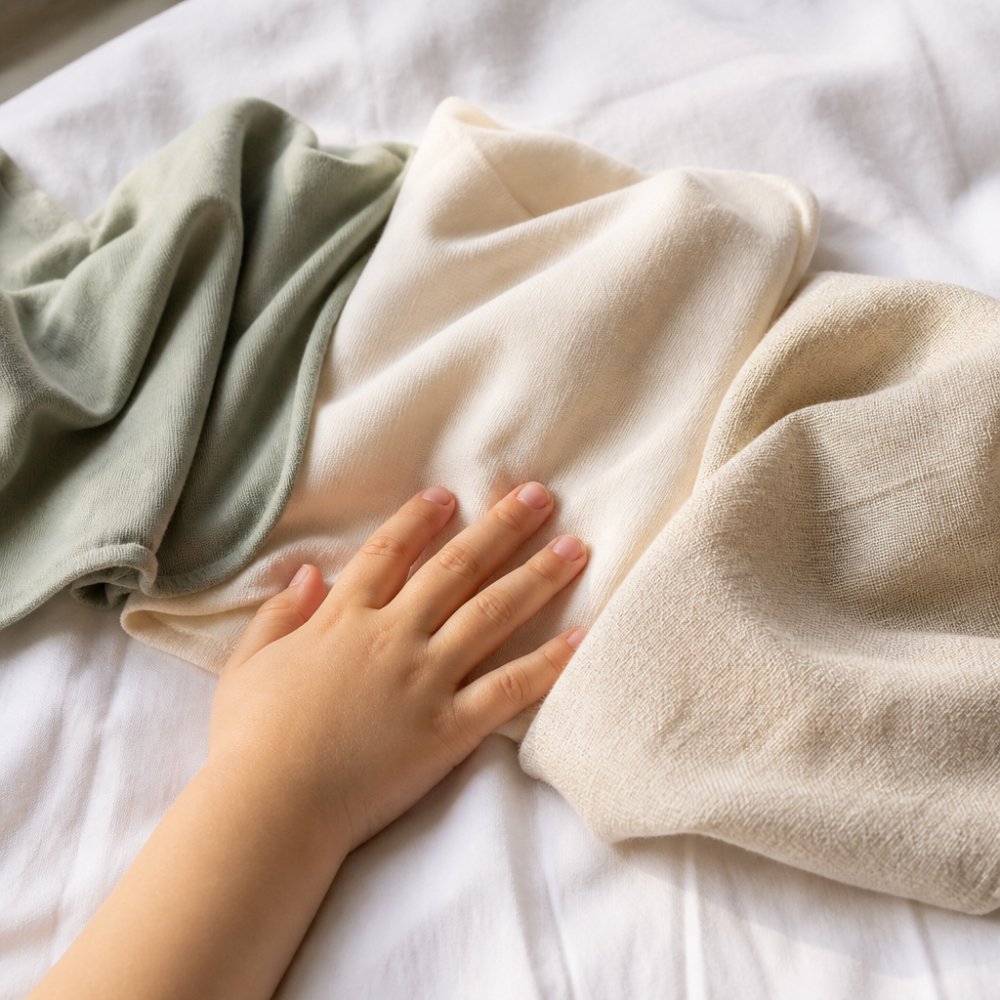
Fabric is where everything starts. Natural fibers like bamboo viscose, organic cotton, and linen breathe better, absorb moisture without trapping it, and feel softer against irritated skin.
Bamboo viscose is naturally hypoallergenic because processing removes the harsh chemicals used in conventional fabric production. Organic cotton skips pesticides and synthetic fertilizers entirely, which matters because residual chemicals can linger in the fibers.
The Role of Dyes, Finishes, and Chemical Treatments
The fabric might be perfect, but the dyes and finishes applied afterward can undo all that work.
When shopping for hypoallergenic clothes for kids, look for low-impact dyes or natural finishes. GOTS (Global Organic Textile Standard) certification covers both the fabric and everything applied to it; OEKO-TEX tests for harmful substances.
Best Fabric for Sensory Skin: A Practical Comparison
The right fabric depends on your child's needs, the season, and activity. Here's how the most popular options stack up:
| Fabric | Feel | Breathability | Durability | Best For | Price Range |
|---|---|---|---|---|---|
| Bamboo Viscose | Buttery soft, luxe | Excellent | Good | Sensitive skin, all seasons | $12-$35 |
| Organic Cotton | Soft, natural | Very good | Excellent | Eczema, everyday wear | $15-$40 |
| Linen | Crisp, textured | Excellent | Excellent | Summer, older kids | $18-$45 |
| TENCEL Lyocell | Silky, smooth | Excellent | Very good | Sensitive skin, active play | $20-$50 |
| Silk | Ultra-soft, delicate | Good | Fair | Special occasions, sensitive skin | $30-$75 |
| Cotton-Bamboo Blend | Soft, balanced | Excellent | Very good | All-purpose, all seasons | $12-$30 |
Bamboo Viscose: Breathability and Softness
Bamboo viscose has become the go-to fabric for sensory-friendly clothing.
The catch: bamboo viscose can pill with aggressive washing and is less durable than organic cotton.
Doodlebug's Children's Boutique offers bamboo viscose options like the Girls Bamboo Ruffle Pants in Berry ($12.99), combining signature softness with breathability and a relaxed fit.

Organic Cotton: Natural Protection Without Chemicals
For kids with eczema, organic cotton is often the first recommendation because it holds up to frequent washing better than bamboo.
The downside: organic cotton costs more than conventional cotton and is less silky-soft than bamboo viscose, which matters for kids particular about texture.
Other Gentle Options: Linen, Silk, and TENCEL
Linen is an excellent summer option: breathable, naturally antimicrobial, and durable. Its slightly crisp texture suits older kids who don't mind texture variation.
Silk is luxuriously soft and naturally hypoallergenic, but delicate and expensive. Reserve it for special occasions or sleepwear.
TENCEL Lyocell bridges bamboo and cotton: made from sustainably sourced wood pulp via a closed-loop process, it feels silky like bamboo but is more durable.
Clothes for Kids with Eczema: What Actually Works
Eczema-friendly clothing goes beyond soft fabric. Seams, closures, and fit matter as much as the material, since a soft shirt with a rough seam can still trigger scratching.
Seam Placement and Flat-Seam Construction
Standard seams create a ridge against the skin, an irritation point for kids with eczema, especially during play or sleep when the seam contacts the same spot for hours.
Flat-seam construction, stitched flat rather than raised, eliminates this. Some manufacturers place seams on the outside entirely.
When shopping for clothes for kids with eczema, check descriptions for "flat seams" or "enclosed seams."
Moisture Management and Temperature Regulation
Eczema flares when skin gets too dry or too wet. Clothing that wicks moisture while allowing air circulation helps keep eczema calm.
Bamboo viscose and organic cotton excel at moisture management, absorbing sweat without feeling clammy.
Temperature regulation matters too: overheating triggers sweating that irritates eczema. Breathable fabrics and a relaxed fit that doesn't trap heat are key.
Sensory-Friendly Clothing for Kids: Design Features That Matter
Sensory sensitivity goes beyond eczema. Kids with autism, ADHD, or sensory processing differences often react strongly to specific clothing elements, and a tag that wouldn't bother most kids can trigger a meltdown.
Tagless Design and Label-Free Construction
Tags are the most obvious irritant, scratching against the neck or side seams.
But tagless isn't enough if the label is still rough. Some manufacturers use soft, flat labels; others print care instructions directly on the garment.
Beyond tags, look for flat seams, no exposed inside stitching, and smooth hems.
Fit and Layering for Sensory Comfort
Fit matters more than most parents realize. Too-tight clothing creates overwhelming pressure, while too-loose clothing shifts unpredictably and triggers anxiety.
The sweet spot is a relaxed fit with enough stretch to move freely without excess fabric, which is why many sensory-friendly brands use spandex blends.
Tagless Pajamas for Sensitive Skin: Sleepwear Selection Guide
Sleep is when sensory issues escalate. Your child is still for hours, so any irritant, a seam, a tag, a fabric that doesn't breathe, becomes a constant problem. Pajamas for sensitive skin combine soft fabric with thoughtful construction.
Why Snug-Fit Pajamas Matter for Safety and Comfort
Federal regulations require children's sleepwear not treated with flame retardants to fit snugly. This also benefits sensory-sensitive kids by reducing unpredictable fabric movement during sleep.
Loose pajamas shift and bunch, creating new pressure points throughout the night. Snug-fit pajamas stay in place, giving consistent sensory input and fewer disruptions.
Kickee Pants pajama sets, like the Falcon Snow Long Sleeve Bamboo Pajama Set ($19.99) from Doodlebug's Children's Boutique, use this snug fit and 95% viscose from bamboo with 5% spandex.

Seasonal Pajama Options: Long Sleeve vs. Short Sleeve
Temperature sensitivity is real for many sensory-sensitive kids. Some need full coverage to feel secure; others overheat in long sleeves and kick them off all night.
Girls Bamboo Ruffle Pants in Berry – Ultra Soft Sensory-Friendly Baby Bottoms →
Long-sleeve pajamas suit fall, winter, and kids who prefer full coverage; short-sleeve options suit warmer months and kids who overheat.
How to Evaluate Labels, Certifications, and Care Instructions
Not all "hypoallergenic" claims are equal. Some are marketing; others are backed by real standards. Reading labels and understanding certifications helps you choose wisely.
Understanding OEKO-TEX and GOTS Certifications
OEKO-TEX Standard 100 tests fabric for harmful substances.
GOTS (Global Organic Textile Standard) is more comprehensive, certifying organic farming practices and the entire production chain, including dyes and finishes.
For severe sensory issues or chemical sensitivities, GOTS is the stronger choice; for general sensitivity, OEKO-TEX is sufficient and more affordable.
Reading Labels for Dyes, Finishes, and Chemical Claims
Watch for vague "hypoallergenic" claims with no backing. Real hypoallergenic clothing specifies the fabric type, dyes used, and certifications held.
Chemical finishes are often unlisted. If the label doesn't mention finishes, assume standard finishes were used. This is another reason certifications matter, they guarantee that harmful finishes weren't applied.
Laundry Care for Sensitive Skin: Washing and Storage Tips
How you wash hypoallergenic clothes matters as much as what you buy. Harsh detergents, fabric softeners, and high heat damage delicate fabrics and reintroduce irritants.
Use a gentle, fragrance-free detergent for sensitive skin. Skip fabric softener, which coats fibers and reduces breathability.
Store clean clothes away from strong odors or dust.
Top Hypoallergenic Options from Doodlebug's Collection
We've curated our collection for kids who need sensory-friendly, hypoallergenic clothing. Here's what we recommend by need and age.
Bamboo Ruffle Pants: Everyday Play and Comfort
The Girls Bamboo Ruffle Pants in Berry ($12.99) are our most versatile option.
They work for lounging, playdates, and everyday wear, and the ruffle detail adds style without compromising comfort.
Best for kids ages 2-8 who need everyday basics that work for sensitive skin.
Kickee Pants Pajama Sets: Softness Meets Safety
The Kickee Pants Falcon Snow Long Sleeve Bamboo Pajama Set ($19.99) combines everything that matters in sleepwear: buttery-soft bamboo fabric, snug-fit design for safety, tagless construction, and breathability, with predictable fabric movement for sensory-sensitive kids.

Kickee Pants has built a reputation for quality: clean stitching, flat seams, and fabric that feels premium from the first wear.
For warmer months, the Bamboo Short Sleeve Pajama Set in Latte Scales ($19.99) offers the same quality in a cooler silhouette.
Best for kids of all ages who need reliable, well-constructed pajamas that actually feel good.
Moonlit Meadow Romper: Style Without Compromise
The Moonlit Meadow Bamboo Crossback Flare Leg Romper ($34.99) proves sensory-friendly clothing doesn't have to look babyish.
Made from 95% viscose from bamboo and 5% Lycra, it's breathable, stretchy, and comfortable all day.
The functional pockets are a bonus, kids love having somewhere to stash small treasures.
Best for kids who need sensory-friendly clothing but refuse anything that looks "babyish."
Common Mistakes Parents Make When Buying Sensory-Friendly Clothing
Buying based on price alone. The cheapest hypoallergenic option often cuts corners on construction.
Ignoring fit. A perfectly soft shirt in the wrong size still creates sensory problems.
Not reading care instructions. Hypoallergenic fabrics need gentler care.
Overlooking certifications. "Hypoallergenic" has no legal definition.
Buying too many at once. Every kid's sensory preferences differ.
Finding hypoallergenic clothes for kids that actually work is solvable. Start with one piece, whether it's the Bamboo Ruffle Pants, a Kickee Pants pajama set, or the Moonlit Meadow Romper, and experience the difference sensory-friendly design makes.
Frequently Asked Questions
What is the best fabric for children with eczema?
Bamboo viscose and organic cotton are the top choices for eczema-prone skin. Both are naturally hypoallergenic, breathable, and soft against irritated skin. Bamboo is particularly effective at moisture-wicking, which prevents sweat buildup that triggers flare-ups. Organic cotton avoids synthetic pesticides and dyes that can irritate skin. Look for garments with flat seams, tagless labels, and certifications like OEKO-TEX to confirm chemical-free processing.
Are hypoallergenic clothes actually going to solve my child's sensory issues?
Hypoallergenic clothes reduce irritation triggers, but they're not a cure-all. The key is combining the right fabric with thoughtful design features: tagless labels, flat seams, moisture-wicking properties, and proper fit. Many children see significant improvement in comfort and fewer meltdowns when wearing sensory-friendly clothing. However, individual sensitivity varies, so observe which specific features (soft fabric, no tags, loose fit) matter most to your child.
How do I know if a brand's 'hypoallergenic' or 'organic' claims are actually true?
Look for third-party certifications like OEKO-TEX (confirms low-chemical processing) or GOTS (Global Organic Textile Standard, verifies organic fiber sourcing). Read product labels carefully for fiber content (should be 95%+ natural fiber) and check care instructions for dye and finish details. Reputable brands disclose their supply chain and processing methods. Be skeptical of vague claims like 'chemical-free', all fabrics undergo some processing; the goal is minimizing harsh chemicals.
What's the difference between bamboo and organic cotton for sensitive skin?
Bamboo viscose is softer, more breathable, and naturally moisture-wicking, making it ideal for temperature regulation and sweat management. Organic cotton is more durable, holds up better through repeated washing, and avoids pesticide residues. Bamboo works best for kids who sweat easily or have heat sensitivity; organic cotton suits kids who need durability and long-lasting comfort. Many parents find combining both in a rotation works best for different seasons and activities.
How should I care for hypoallergenic clothing to keep it soft and prevent irritation?
Wash in cold water on a gentle cycle with fragrance-free, dye-free detergent designed for sensitive skin. Avoid fabric softeners and dryer sheets, which leave residues that irritate skin. Tumble dry on low heat or lay flat to dry to preserve softness. Wash new items before wearing to remove processing chemicals. For bamboo fabrics, lay flat to dry when possible to maintain shape. Store in a clean, fragrance-free environment away from perfumed products.