
Table of Contents
- Understanding Sensory Needs in Clothing for Children with Autism
- Sensory-Friendly Clothing for Kids: Key Features That Matter
- Soft Clothes for Kids with Sensory Issues: Fabric Deep Dive
- Seamless Clothing for Children: Why Construction Matters
- Sensory-Friendly School Clothes: Practical Choices for Daily Wear
- Addressing Dressing Refusal and Building Clothing Acceptance
- Durability, Care, and Long-Term Value
- Recommended Sensory-Friendly Clothing Options and Sizing Guide
- Frequently Asked Questions
Last Updated: October 9, 2026
Understanding Sensory Needs in Clothing for Children with Autism
Clothing for children with autism goes far beyond style. For many autistic kids, getting dressed triggers genuine physical distress, a seam like a knife edge, a tag like sandpaper, elastic like a vice.
The solution isn't forcing acceptance, it's clothing that works with their sensory system, not against it.
Common Clothing Sensitivities and Discomfort Triggers
Autistic children often experience sensory sensitivities non-autistic kids rarely notice.
Tags are the obvious enemy.
Seams create similar problems.
Elastic bands and waistbands trigger distress in many autistic children.
Fabric texture matters enormously.
Temperature regulation is another piece. Many autistic children struggle to regulate body temperature.
How Texture, Pressure, and Fit Affect Daily Comfort
When a child's nervous system processes touch differently, fabric choice is foundational.
Soft fabrics reduce the constant sensory noise rough textures create.
Pressure and fit work similarly. Loose, unstructured clothing feels safer to many autistic kids, but some need compression and predictable pressure to feel grounded.
Construction details affect comfort in ways that accumulate.
Sensory-Friendly Clothing for Kids: Key Features That Matter
Real sensory-friendly clothing has specific features that address the most common triggers, structural changes that change how the garment feels.
Tagless Design and Removing Irritating Labels
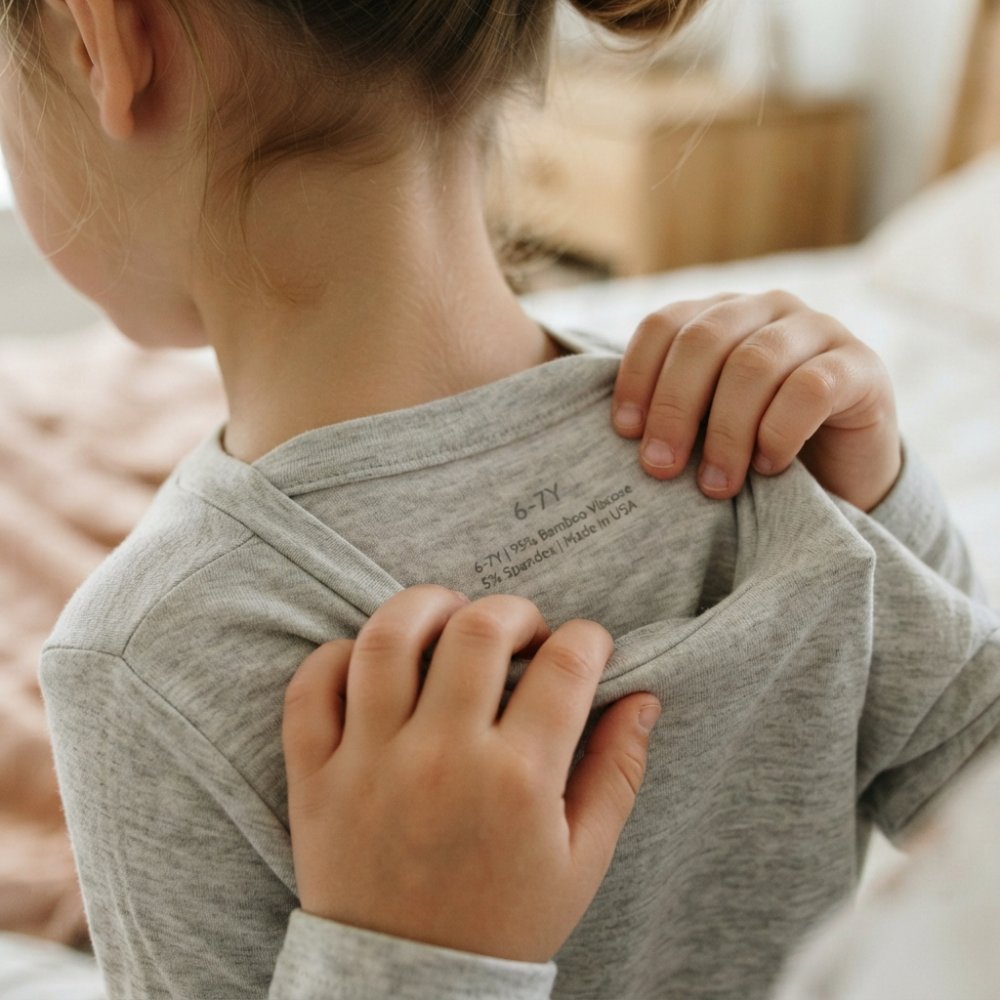
Tagless construction prints the care label directly onto fabric instead of sewing in a separate tag, eliminating the most obvious irritant.
Look for brands committed to tagless design across their entire line.
Seamless or Flat-Seam Construction
Seamless clothing eliminates seams entirely, ideal for the most sensitive kids. A practical middle ground is flat-seam construction.
Flat seams fold and stitch fabric so the seam sits flat against the skin instead of forming a raised ridge. A child who can't tolerate traditional seams often finds flat-seam clothing wearable.
Soft, Breathable Fabrics and Material Choices
Fabric choice is where the real sensory magic happens, and not all soft-feeling fabrics stay soft after washing.
Organic cotton is another excellent choice, though quality varies.
Synthetic blends are generally problematic. Polyester, nylon, and acrylic feel scratchy or create static, and they trap heat and moisture, compounding discomfort.
Soft Clothes for Kids with Sensory Issues: Fabric Deep Dive
The fabric you choose determines whether clothing will be tolerated or rejected, and many parents get stuck when something soft falls apart after a few washes.
Bamboo Viscose: The Gold Standard for Sensitive Skin
Bamboo viscose feels like silk at a fraction of the price.
Bamboo viscose also wicks moisture, keeping sweat from sitting against the skin, effective for kids who find dampness intolerable.
The downside: bamboo viscose requires cold water, a gentle cycle, and low heat drying to preserve softness and prevent shrinking.
Organic Cotton and Hypoallergenic Options
Organic cotton grown without pesticides and processed minimally retains natural softness kids love.
The key word is "organic." Conventional cotton is treated with chemicals that can irritate sensitive skin; organic cotton eliminates that problem.
Hypoallergenic fabrics are chosen or treated to minimize allergic reactions, important for kids with eczema, contact dermatitis, or other skin sensitivities alongside autism.
Moisture-Wicking and Temperature-Regulating Properties
Moisture-wicking fabrics pull sweat away from skin so it evaporates quickly, preventing the discomfort of wet clothing clinging to skin for kids who sweat easily or struggle with dampness.
Temperature-regulating fabrics maintain a consistent microclimate against the skin. Bamboo viscose and quality organic cotton do this naturally; synthetic blends claiming temperature regulation generally trap heat instead.
Seamless Clothing for Children: Why Construction Matters
Construction quality determines whether a garment is tolerated or rejected, the difference is immediate and obvious to a sensitive child.
Flat Seams vs. Traditional Seams
Traditional seams sew two pieces of fabric together with a raised ridge on one side that presses against skin constantly, intolerable within minutes for sensory-sensitive children.
Flat seams fold fabric and stitch from the inside so the seam sits flush with the surface.
Compression Clothing and Snug-Fit Options
Some autistic children find loose, unstructured clothing distressing and prefer compression or snug-fitting garments that provide consistent, predictable pressure.
Compression clothing applies gentle pressure many kids find calming and grounding, providing sensory input that helps them feel regulated.
The trick is matching pressure level to the individual child: too loose feels wrong, too tight triggers distress.
Sensory-Friendly School Clothes: Practical Choices for Daily Wear
School demands clothing a child can focus in, move freely in during recess, and navigate socially without distraction from their clothes.
Elastic-Waist Pants and Fastener-Free Alternatives
Elastic-waist pants eliminate fasteners entirely, letting a child dress independently while providing gentle, consistent pressure many kids find comfortable.
Drawstring waists are another option, though some children find the strings distracting. Elastic works more reliably.
For maximum comfort, choose soft, wide elastic waists rather than thin, tight ones, wider elastic distributes pressure more evenly and feels less restrictive.
Weather and Activity-Specific Clothing
School requires different clothing for different seasons and activities, and a child comfortable in one context may struggle when the weather or activity changes.
Summer clothing needs to be breathable and lightweight. Bamboo viscose excels here.
Girls Bamboo Ruffle Pants in Berry – Ultra Soft Sensory-Friendly Baby Bottoms →
Physical education and recess demand clothing that moves with the child. Stretchy fabrics with freedom of movement are essential.
Adaptive Features for Independence and Confidence
Adaptive clothing supports independence with features like magnetic closures instead of buttons, side-opening seams for easy dressing, and sensory-friendly construction throughout.
Adaptive features also support dignity: a child in age-appropriate adaptive clothing feels more confident than one in obviously "special" clothing.
Addressing Dressing Refusal and Building Clothing Acceptance
Some autistic children refuse to wear anything; others accept only one specific garment. This isn't stubbornness, it's sensory processing at work.
Child-Led Choice and Sensory Preference Assessment
Before shopping, understand your child's specific sensory preferences.
Observe what they already wear without complaint: the fabric, the fit, the construction details.
Let your child touch fabrics before buying.
Ask direct questions: Does this feel scratchy? Too tight? Right?
Keeping Clothes On: Strategies for Resistance and Meltdowns
Some children undress constantly, even in public.
Finding clothing the child doesn't need to remove is the first step. Sensory-friendly construction directly addresses this.
Letting the child choose within sensory-friendly options gives them agency, a child who picks their outfit is more likely to accept wearing it.
Durability, Care, and Long-Term Value
Sensory-friendly clothing costs more upfront, so durability matters enormously. A garment that falls apart after a few washes defeats the purpose.
Testing Fabrics and Garment Longevity
Quality sensory-friendly clothing is built to last: organic cotton holds up through repeated washing.
Watch how seams hold up. Flat seams should stay flat and smooth; if they curl or fray, the garment won't last.
Washing and Maintaining Sensory-Friendly Clothing
Most sensory-friendly fabrics require cold water and gentle washing. Hot water damages bamboo viscose and causes shrinking.
Use mild, fragrance-free detergent, many sensory-sensitive kids also react to fragrance.
Dry on low heat or hang dry. High heat damages fabric and reduces lifespan.
Avoid fabric softener.
Recommended Sensory-Friendly Clothing Options and Sizing Guide
Finding the right clothing requires understanding what works for your specific child. Brands emphasize different features, and price points vary dramatically.
Pajama Sets That Support Sleep and Comfort
Sleep is critical for autistic children, and uncomfortable pajamas sabotage rest.
Doodlebug's Children's Boutique offers pajamas designed for sensory-sensitive kids. The Ocean Breeze Long Sleeve Pajamas feature bamboo fabric with built-in temperature control, hypoallergenic construction, and tagless design.

The Pink Blossom Long Sleeve Pajamas offer the same features in sizes up to 16 years.

For shorter sleeves or warmer weather, the Pink Gingham Two-Piece Bamboo Short Sleeve Pajama Kids Pants Set at $41.99 pairs soft bamboo with a print older kids won't reject as "baby" pajamas.
Character-themed options matter for kids who need familiar imagery. The Minecraft Overworld Dreams Bamboo Kids Pajamas at $39.99 feature Oeko-Tex certification (free of harmful chemicals), tagless comfort, and a super soft waistband for kids prone to fastener-related meltdowns.
Everyday Bottoms and Loungewear
School clothes and everyday wear must be comfortable for all-day wear while looking age-appropriate enough that the child accepts them.
The Girls Bamboo Ruffle Pants in Berry at $12.99 offer exceptional value: 95% viscose from bamboo and 5% spandex, tagless design, flat seams, and a relaxed stretch fit.

They work for play, lounging, and casual school wear. Breathable, moisture-wicking fabric prevents overheating during active play, and the stretch accommodates growing kids without binding.
Fit, Sizing, and Transition Planning
Sizing sensory-friendly clothing requires understanding that fit varies by brand.
Order one item first and assess fit before buying more.
Many sensory-friendly brands emphasize that clothing grows with the child.
Plan transitions carefully.
Consider seasonal transitions too.
At Doodlebug's Children's Boutique, we specialize in sensory-friendly clothing designed for kids like yours.
Frequently Asked Questions
What are the best fabrics for clothing for children with autism?
Bamboo viscose, organic cotton, and soft cotton blends are ideal for sensory-sensitive children. Bamboo is hypoallergenic, naturally breathable, and moisture-wicking, making it especially popular. These fabrics feel smooth against skin, avoid irritation, and provide the gentle pressure many autistic children find calming. Look for materials labeled as soft, stretchy, and temperature-regulating to support comfort throughout the day.
Are tagless clothes really better for children with sensory sensitivities?
Yes, tagless clothing eliminates a major irritation source for many sensory-sensitive children. Traditional tags can cause itching, distraction, and meltdowns. Tagless designs remove this trigger entirely. If a child still complains about seams, pair tagless options with seamless or flat-seam construction for maximum comfort. Testing a single item before buying multiple pieces helps confirm whether tagless design solves your child's specific sensitivities.
How can I help my autistic child keep clothes on when they refuse to wear them?
Start with a sensory preference assessment: let your child choose fabrics and styles they like by feeling samples first. Offer elastic-waist pants and soft, stretchy clothing without restrictive fasteners. Use compression garments if deep pressure helps calm them. Introduce new clothing gradually, allow extended adjustment time, and praise acceptance. Some children respond well to character-themed or favorite-colored items.
What makes sensory-friendly school clothes different from regular children's clothing?
Sensory-friendly school clothes prioritize comfort and function over style trends. Key differences include seamless or flat-seam construction, soft breathable fabrics, elastic waistbands instead of zippers or buttons, and tagless labels. They're designed to reduce distractions during learning and reduce anxiety around transitions. Many also include moisture-wicking properties and stretchy fits that grow with your child, reducing the need for frequent replacements and maintaining consistency in comfort throughout the school day.
Do bamboo pajamas hold up well in the wash?
Quality bamboo pajamas are durable and maintain their soft feel through repeated washing. Machine wash cold on a gentle cycle and tumble dry low to preserve fabric integrity. Bamboo viscose is moisture-wicking and temperature-regulating, reducing wash frequency. Properly cared-for bamboo pajamas can last multiple seasons and often grow with your child due to their stretch, making them a worthwhile investment for families managing sensory needs.
What clothing features should I avoid if my child has severe sensory issues?
Avoid traditional sewn tags, rough or textured seams, tight elastic, restrictive fasteners like zippers and buttons, stiff fabrics, and synthetic blends that trap moisture. Steer clear of heavy seams, thick waistbands, and clothing with multiple layers that create pressure. Avoid loose fibers, pilling fabrics, and materials that irritate skin. Instead, prioritize seamless construction, soft natural fibers, and adaptive designs. Every child's sensitivities differ, so test items before committing to a full wardrobe.
How do I know what size to buy if my child is between sizes?
Choose the larger size to avoid restriction and allow room for growth. Sensory-sensitive children often prefer a loose, comfortable fit that doesn't feel constraining. Many bamboo and soft-fabric options include extra stretch, so sizing up doesn't result in bagginess. Check the product description for stretch percentages and growth allowances. If your child is sensitive to fit changes, buying slightly larger ensures they'll wear the item longer without outgrowing it quickly, reducing transition stress.
Are there sensory-friendly options for older children and tweens?
Yes, sensory-friendly clothing is available in sizes and styles for children up to 16 years old and beyond. Many brands offer character-themed, modern, and age-appropriate designs that don't look babyish. Tweens can choose from soft pajama sets with their favorite characters, comfortable loungewear, and adaptive clothing that respects their growing independence. Involving your tween in the selection process by letting them feel fabrics and pick colors or designs increases acceptance and confidence in wearing sensory-friendly clothing.