
Table of Contents
- Why Fabric Choice Matters for Kids with Sensory Processing Disorder
- The Best Soft Fabrics for Autism: A Detailed Comparison
- Fabrics to Avoid for Tactile Sensitivity
- Key Features of Sensory Friendly Clothing Brands
- Benefits of Bamboo Fabric for Autism and Sensitive Skin
- Tagless Pajamas for Sensitive Skin: A Bedtime Guide
- Caring for Sensory-Friendly Fabrics to Prevent Irritation
- Conclusion: Finding the Right Fit for Your Child
- Frequently Asked Questions
Last Updated: September 8, 2026
Finding clothes that don't cause a meltdown before breakfast is one of the hardest parts of parenting a child with sensory processing disorder. The quest for the best soft fabrics for autism often feels like a never-ending cycle of trial and error, where a single seam or tag can ruin an entire day. At Doodlebug's Children's Boutique, we curate tagless apparel made from organic and bamboo materials, focusing on sensory comfort. Below, we'll discuss how to identify soft, irritation-free options and which materials to consider avoiding.
The right fabric does more than feel nice; it actively reduces the daily friction that leads to sensory overload. Soft fabrics for autism need to be gentle, breathable, and free of the scratchy textures that trigger tactile defensiveness. Many parents find that switching to the right materials reduces morning dressing battles and improves focus throughout the day, because the child isn't constantly distracted by what they're wearing.
Why Fabric Choice Matters for Kids with Sensory Processing Disorder
For a child on the autism spectrum, clothing isn't just covering; it's a constant source of tactile input that can be either soothing or overwhelming. Tactile sensitivity means the brain processes touch signals differently, so a rough seam or a stiff collar isn't a minor annoyance, it's a genuine source of distress. The weight, texture, and fit of a garment all contribute to a child's "textural profile," which is why a comfortable fit is non-negotiable for daily functioning.
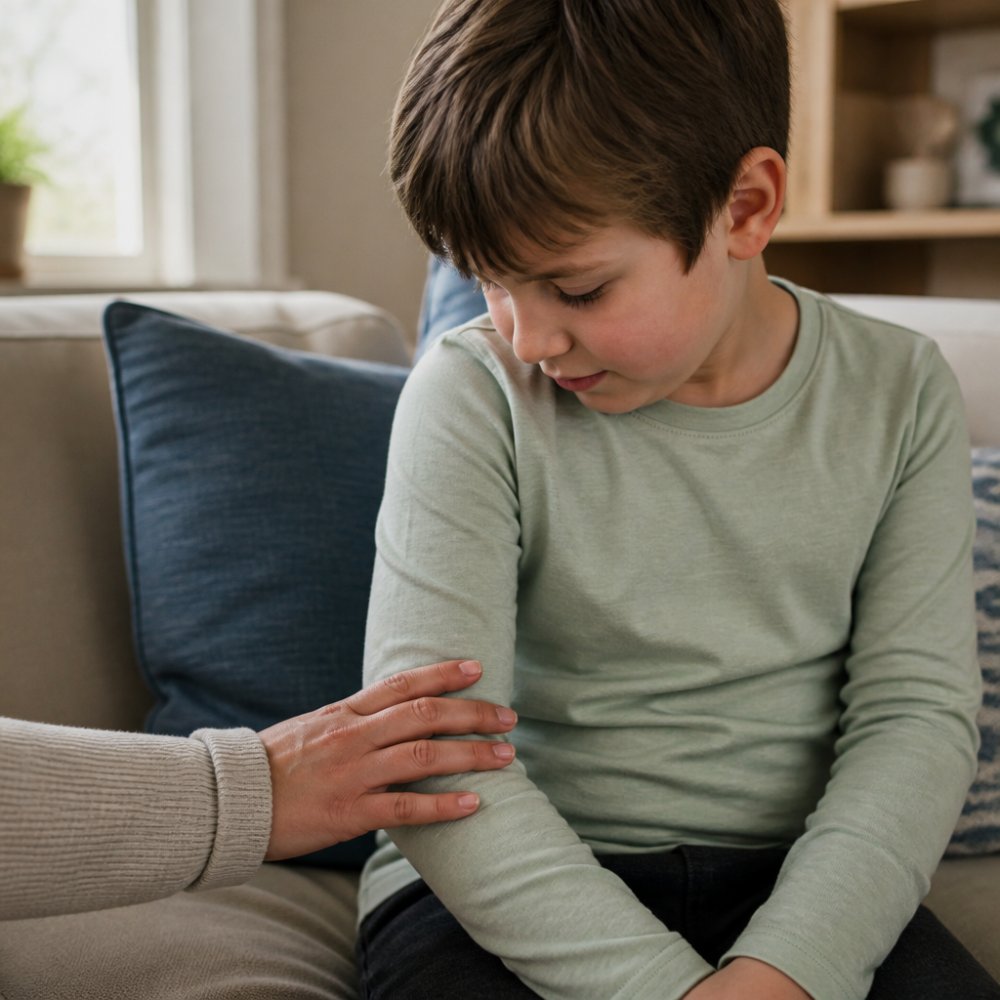
When a child is comfortable in their clothing, they can redirect that energy toward learning, playing, and socializing. Conversely, irritating fabrics can lead to increased anxiety, distraction, and even behavioral outbursts. Choosing the right materials is a practical, daily intervention that supports emotional regulation. The goal is to create a "second skin" that the child can forget is there, allowing their nervous system to stay calm and regulated.
The Best Soft Fabrics for Autism: A Detailed Comparison
When evaluating soft fabrics for autism, three natural fibers consistently rise to the top: bamboo viscose, organic cotton, and merino wool. Each offers a unique set of benefits, but they all share the critical traits of breathability, softness, and minimal irritation. Here is a quick comparison to help you understand the landscape before we detail each option.
| Fabric Type | Texture | Temperature Control | Best For | Key Drawback |
|---|---|---|---|---|
| Bamboo Viscose | Buttery, silky, smooth | Excellent, moisture-wicking | All-day wear, sleep, sensitive skin | Can be pricier than cotton |
| Organic Cotton | Soft, familiar, breathable | Good, lightweight | Everyday basics, warmer climates | Can feel rough if not high-quality |
| Merino Wool | Fine, soft, non-itchy | Excellent, thermoregulating | Cooler months, layering | Requires delicate care |
Bamboo Viscose: The All-Rounder
Bamboo viscose is our top recommendation for most children with sensory needs. It has a uniquely smooth, almost silky texture that glides over the skin without catching or pulling, which is ideal for kids with tactile defensiveness. This fabric is naturally hypoallergenic and excellent at moisture-wicking, keeping kids dry and comfortable whether they are playing hard or sleeping deeply.
The breathability of bamboo viscose is unmatched, making it perfect for thermoregulation so kids don't overheat at night. It also holds up well in the wash, maintaining its softness without the pilling that ruins other fabrics. For parents seeking a versatile option that works for pajamas, leggings, and play clothes, bamboo is the clear winner. At Doodlebug's Children's Boutique, we use bamboo for our Girls Bamboo Ruffle Pants in Berry, which feature a tagless design and a relaxed, stretchy fit for $12.99.

Organic Cotton: The Classic Choice
Organic cotton remains a reliable and accessible choice for sensory-friendly wardrobes. Unlike conventional cotton, it is grown without harsh chemicals and pesticides, making it safer for sensitive skin and a key component of hypoallergenic clothing. The fabric is soft, breathable, and familiar, which can be comforting for children who are used to a specific feel.
The key is to look for high-quality, combed organic cotton, as lower grades can feel stiff and rough. It is an excellent choice for warmer climates due to its lightweight nature. However, cotton can retain moisture and may not offer the same silky glide as bamboo, so it is often best for children who prefer a more substantial, less slippery texture.
Merino Wool and Modal: Other Options Worth Trying
Merino wool is a surprising but excellent option for sensory-friendly clothing, especially in cooler months. Unlike traditional wool, merino fibers are incredibly fine, making them soft, non-itchy, and excellent at thermoregulation. It is a great base layer that keeps kids warm without overheating, making it a smart choice for winter layering strategies.
Modal, a type of rayon made from beech tree pulp, is another soft option that often flies under the radar. It is similar to bamboo in its silky smoothness and drape but is typically less expensive. Both fabrics are moisture-wicking and breathable, offering good alternatives for kids who have specific preferences or allergies to other fibers. If your child runs hot, merino is a fantastic option; if they love a silky feel, modal is worth trying.
Fabrics to Avoid for Tactile Sensitivity
Just as important as finding the right soft fabrics for autism is knowing which materials can cause problems. Synthetic fibers like polyester, nylon, and acrylic are often the culprits behind sensory discomfort. These materials can feel scratchy, trap heat and moisture, and generate static, all of which are major triggers for kids with tactile sensitivity.
Rough wool, stiff denim, and fabrics with heavy embellishments like sequins or embroidery should also be avoided. These textures provide unpredictable and often unpleasant sensory input. A common mistake is focusing only on the main fabric while forgetting about the trims; even a soft shirt can be ruined by a scratchy screen-print or a rough elastic waistband. Stick to smooth, natural fibers and always check the inside of the garment for any rough patches.
Key Features of Sensory Friendly Clothing Brands
The best sensory friendly clothing brands know that fabric is only half the battle; the construction details matter just as much. A garment can be made of the softest bamboo, but if it has a rough seam or a scratchy label, it will be unwearable for a sensory-sensitive child. Look for brands that prioritize seamless construction and flat seams, which sit flush against the skin without creating pressure points.
Tagless Designs and Flat Seams
The humble clothing tag is often the number one source of irritation for kids with sensory issues. Sensory friendly clothing brands have largely moved to tagless designs, where the care label is printed directly onto the fabric, or they use soft, heat-transferred labels that don't scratch. This simple change eliminates a major source of daily discomfort.
Flat seams are the next critical feature. Traditional overlocked seams can be bulky and rough, rubbing against the skin with every movement. Flat seams, also known as flat-felled or French seams, are stitched so the edges are enclosed and lie flat, creating a smooth interior. When shopping, run your hand along the inside of the garment; you should not feel any raised or rough edges.
Compression and Snug Fits
While some children prefer loose, flowing clothes, many find deep pressure and snug fits calming. Compression clothing provides gentle, consistent pressure across the body, similar to a firm hug, which can help regulate the nervous system and reduce anxiety. This is why many sensory-friendly pajamas are designed to fit quite snugly, offering a sense of security that helps kids fall asleep faster.
However, a snug fit is not for everyone. Some children with tactile defensiveness feel trapped by tight clothing and prefer softer, looser cuts. The key is to observe your child's preferences. If they tend to seek out tight spaces or enjoy being wrapped in blankets, compression wear might be a game-changer. If they pull away from hugs, opt for a relaxed fit that provides comfort without restriction.
Benefits of Bamboo Fabric for Autism and Sensitive Skin
The benefits of bamboo fabric for autism and sensitive skin go far beyond its luxurious feel. Bamboo is naturally hypoallergenic, making it resistant to dust mites and other common allergens that can irritate sensitive skin and disrupt sleep. It is also incredibly breathable and moisture-wicking, which helps regulate body temperature and prevents the clammy, uncomfortable feeling that can trigger sensory meltdowns.
Bamboo fabric is also naturally thermo-regulating, keeping kids cool in the summer and warm in the winter. This makes it a year-round solution for maintaining comfort. Furthermore, bamboo is a sustainable resource, making it a responsible choice for eco-conscious parents. When you choose bamboo, you are selecting a fabric that is kind to your child's skin and the planet, a combination that is hard to beat. For a soothing bedtime experience, consider our Long Sleeve Pajama Set in Natural Bubbles for $29.99, which is flame-retardant free and features a tag-free label.

Tagless Pajamas for Sensitive Skin: A Bedtime Guide
Bedtime is often the most challenging time for kids with sensory issues, making tagless pajamas for sensitive skin an essential investment. The goal is to eliminate every possible source of irritation so your child can relax and fall asleep without fighting their clothing. Start by choosing pajamas made from a soft, breathable fabric like bamboo viscose, which helps regulate temperature and wicks away night sweats.
Look for pajamas with tagless designs and flat seams to ensure a smooth interior. A snug fit is often recommended for safety, as loose-fitting sleepwear can be a fire hazard, but it also provides the calming deep pressure many children crave. For older kids, finding styles that don't look "babyish" is crucial. Our Minecraft: Chicken Jockey Bamboo Kids Pajamas for $39.99 offer a fun, age-appropriate print for tweens while delivering the ultra-soft, tagless comfort they need for a good night's rest.

Caring for Sensory-Friendly Fabrics to Prevent Irritation
Proper care is essential to maintaining the softness and sensory-friendly qualities of these fabrics. Fabric maintenance and sensory degradation is a topic most guides miss, but it's critical. Washing with the wrong detergent or at too high a heat can cause fabrics to become rough, scratchy, or develop pills, which are small balls of fiber that feel awful against sensitive skin.
To keep bamboo and cotton soft, always wash in cold water on a gentle cycle with a mild, fragrance-free detergent. Avoid fabric softeners and dryer sheets, as they leave a chemical residue that can irritate sensitive skin and reduce the fabric's moisture-wicking abilities. Tumble dry on low or, ideally, lay the garments flat to dry. This simple care routine will keep the fabric smooth and irritation-free, extending the life of the clothing and ensuring it remains comfortable wash after wash.
Conclusion: Finding the Right Fit for Your Child
Finding the right soft fabrics for autism is a process of discovery, and there is no single "right" answer for every child. Start by focusing on the big three: bamboo viscose, organic cotton, and merino wool, and pay close attention to construction details like tagless designs and flat seams. Remember that a child's preferences can change, so it's always worth trying a few different textures to see what their nervous system responds to best.
At Doodlebug's Children's Boutique, we understand the struggle of finding comfortable, durable, and stylish clothing for sensory-sensitive kids. Our curated collection focuses on tagless apparel made from organic and bamboo materials, ensuring a soothing experience for every child, from toddlers to tweens. Discover pajamas and play clothes that let your child focus on being a kid, not on what they're wearing.
Frequently Asked Questions
What fabric is most comfortable for people with autism?
Bamboo viscose is often the most comfortable fabric for people with autism because it is silky-smooth, breathable, and hypoallergenic. Its lack of rough texture helps minimize tactile defensiveness. Organic cotton is a close second, especially when it has a jersey knit with flat seams. The best choice depends on your child's specific sensory triggers, but soft fabrics for autism like bamboo and combed organic cotton are consistently the safest starting points.
Why are tagless clothes recommended for sensory processing differences?
Tagless clothes are recommended because a traditional woven label can feel like a sharp, scratchy point against the skin, which can be a major trigger for kids with sensory processing differences. Even small irritants can become overwhelming and cause significant distress. Tagless designs remove that specific trigger entirely. For the best results, look for tagless pajamas for sensitive skin that also feature flat seams and a super-soft waistband to eliminate other common sources of friction.
Are organic cotton and bamboo better than synthetic blends for sensitive skin?
Yes, organic cotton and bamboo are generally better than synthetic blends for sensitive skin. Synthetic fibers like polyester and nylon often lack breathability and can trap heat and moisture, which leads to irritation. Bamboo viscose is naturally moisture-wicking, thermo-regulating, and hypoallergenic, making it ideal for eczema-prone skin. Organic cotton is softer and free from the harsh pesticides used on conventional cotton, which reduces the risk of allergic reactions and skin flare-ups.
How do sensory-friendly fabrics help reduce meltdowns?
Sensory-friendly fabrics help reduce meltdowns by eliminating the constant, irritating input that causes distress. For a child with tactile sensitivity, a scratchy seam or rough texture is not just annoying; it can be physically painful and overwhelming. When clothing feels soft and irritation-free, the child's nervous system isn't constantly fighting that unpleasant sensation. This allows them to focus on their day instead of their clothes, which lowers anxiety and makes sensory overload less likely.