
Quick Summary
The best kids pants for outdoor play are durable, water-resistant pants with an elastic or adjustable waist and room to move, so a child can climb, crawl and kneel without tearing or chafing. For most families, a softshell or lined pant covers the widest range of play, with a waterproof rain pant added for wet days.
- Choose pants by play condition: dry playground, wet grass, mud and hiking, or cold damp mornings.
- Measure waist and inseam and check the size chart rather than trusting the age label.
- Stiff or loud waterproof fabric may bother sensory-sensitive kids, so test it before a long hike.
- Layer a stretchy base under a rain pant so the child stays comfortable and dry inside.
- Machine wash bamboo leggings cold, inside-out, with mild detergent, and dry low or hang to dry.
Table of Contents
- What Is the Best Kids Pants for Outdoor Play?
- Pant Types Compared by Play Condition
- Kids Waterproof Hiking Pants: What to Look For
- Waterproof Pants for Kids: Rain, Mud, and Wet-Weather Protection
- Toddler Hiking Pants 4T: Sizing, Growth Room, and Layering
- Fleece-Lined Waterproof Pants for Toddlers in Cold Weather
- Pick Your First Pair for the Next Outdoor Day
- Frequently Asked Questions
What Is the Best Kids Pants for Outdoor Play?
Last Updated: November 24, 2026
The best kids pants for outdoor play are durable, water-resistant pants with an elastic or adjustable waist and room to move, sized so a child can climb, crawl and kneel without tearing or chafing. For most families, a softshell or lined pant handles the widest range of play, with a waterproof rain pant added for wet days.
Play is hard on clothing, and comfort matters just as much as protection. A child who feels scratchy seams or a tight waistband will fight the pants instead of running around in them. That is why the right choice starts with how your child plays, not just the weather forecast.
Our short answer: pick a pant with stretch, a soft interior and a waistband that stays put. Then match the weather layer to the day.
Pant Types Compared by Play Condition
Different play conditions call for different pants. Choosing by condition is faster than shopping by label. Compare Pika Layers vs Caden Lane to see how two options differ for sensory-sensitive kids.
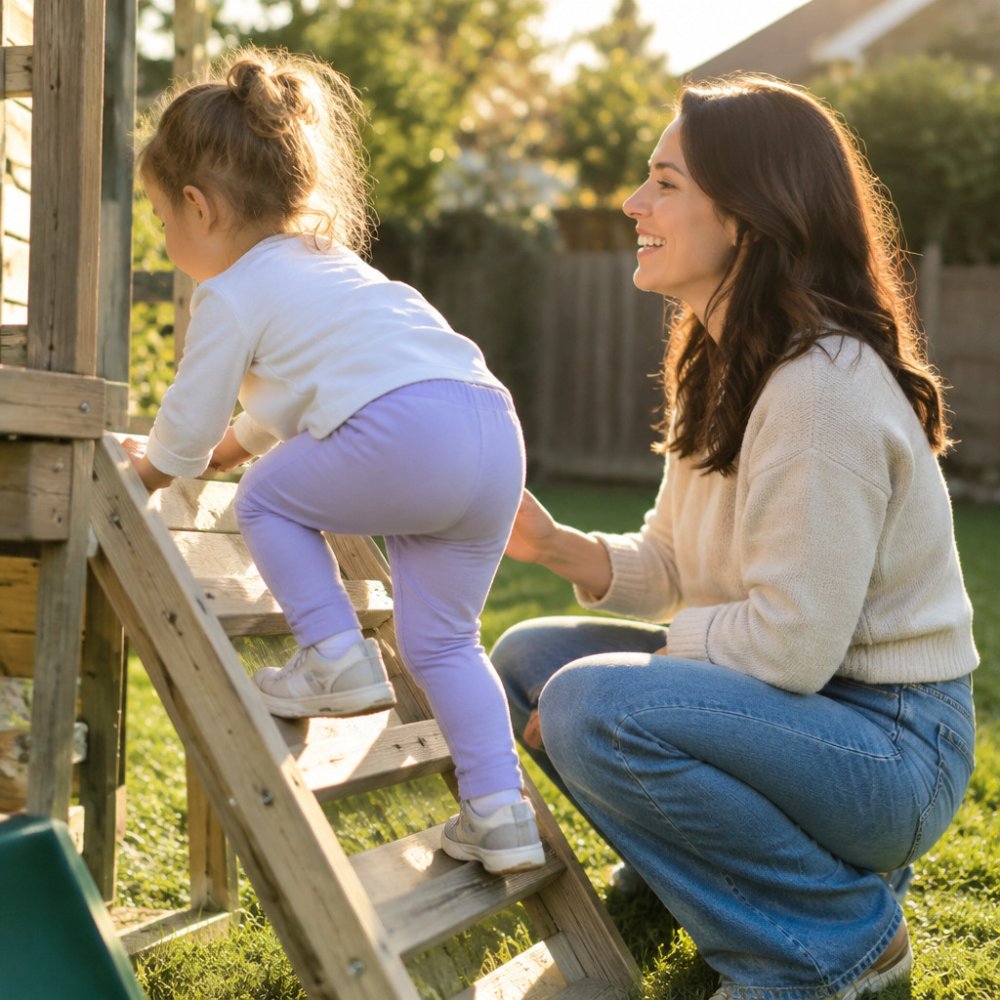
- Dry, mild days at the playground: A lightweight legging or jogger pant gives freedom of movement without overheating.
- Wet grass, puddles and light rain: A water-resistant pant sheds moisture long enough for a short outing.
- Mud, hiking and rough play: A durable pant with reinforced knees and a snug fit protects better than a loose one.
- Cold, damp mornings: A fleece-lined layer keeps legs warm under a shell.
The leggings in our collection suit everyday play. The Playbook Pink Leggings, Saddlerose Leggings and Heron Leggings are made from a 95% bamboo viscose and 5% spandex blend. They are lightweight and breathable, which makes them a good choice for kids with sensitive skin. They are not rain pants.
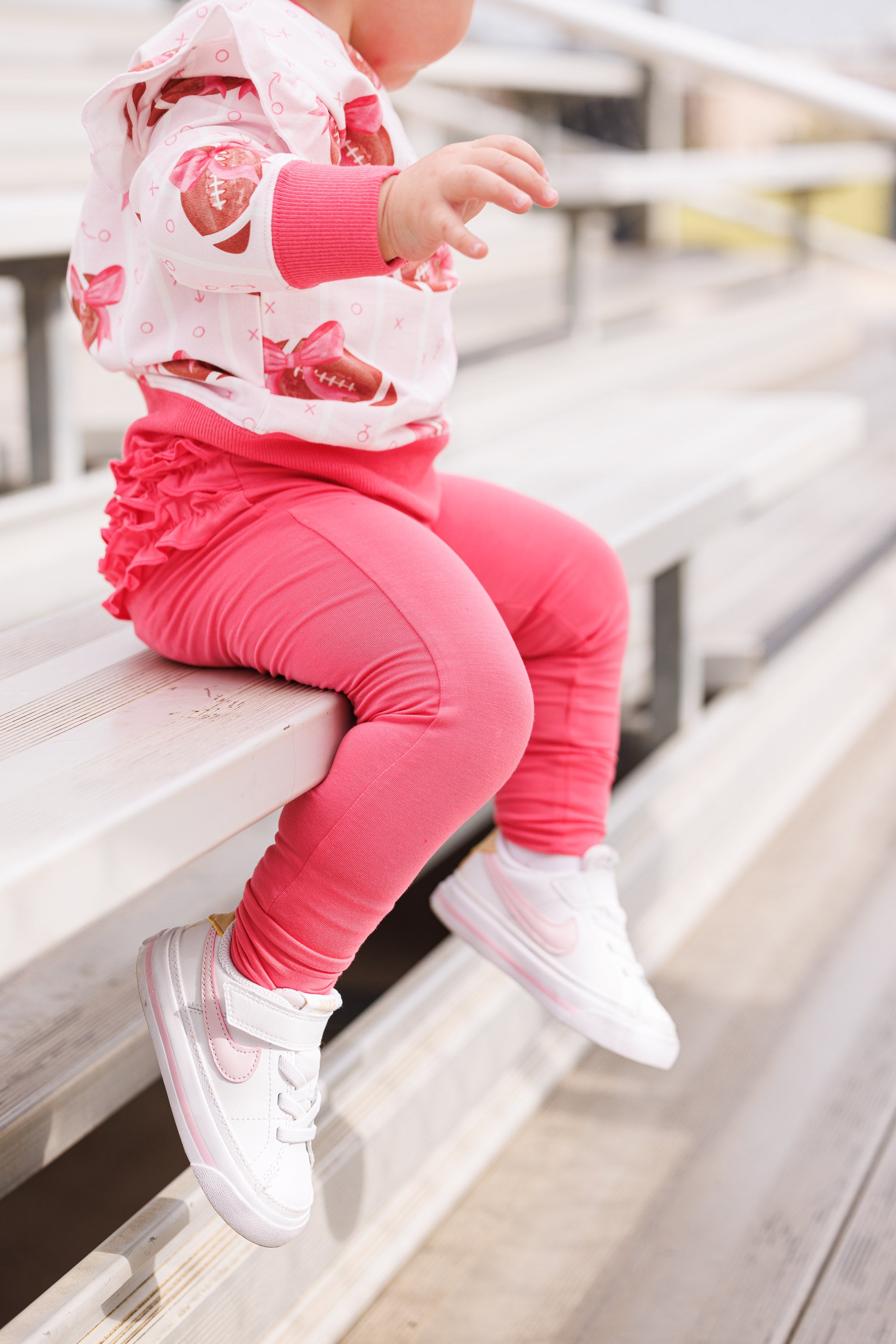
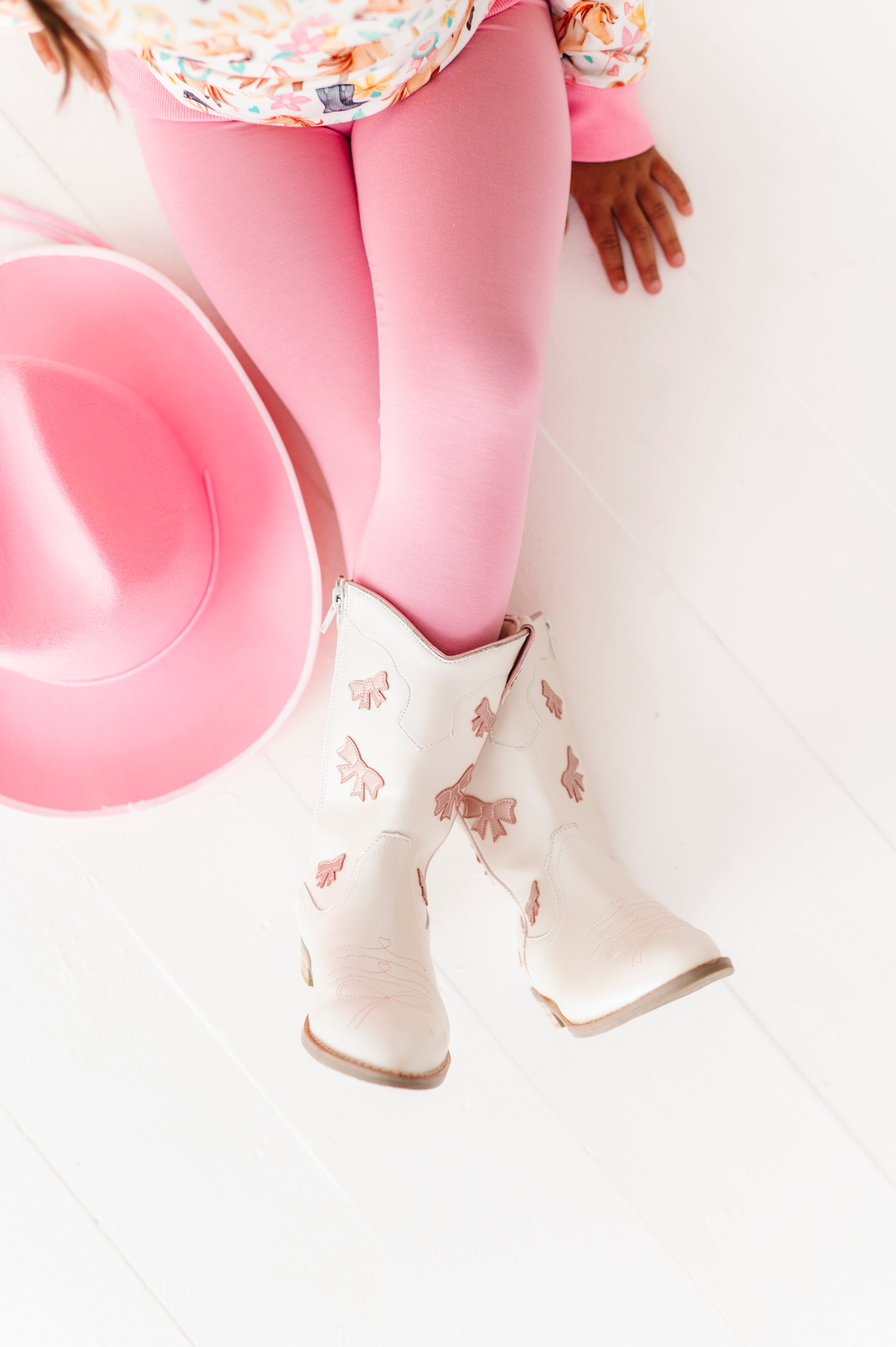
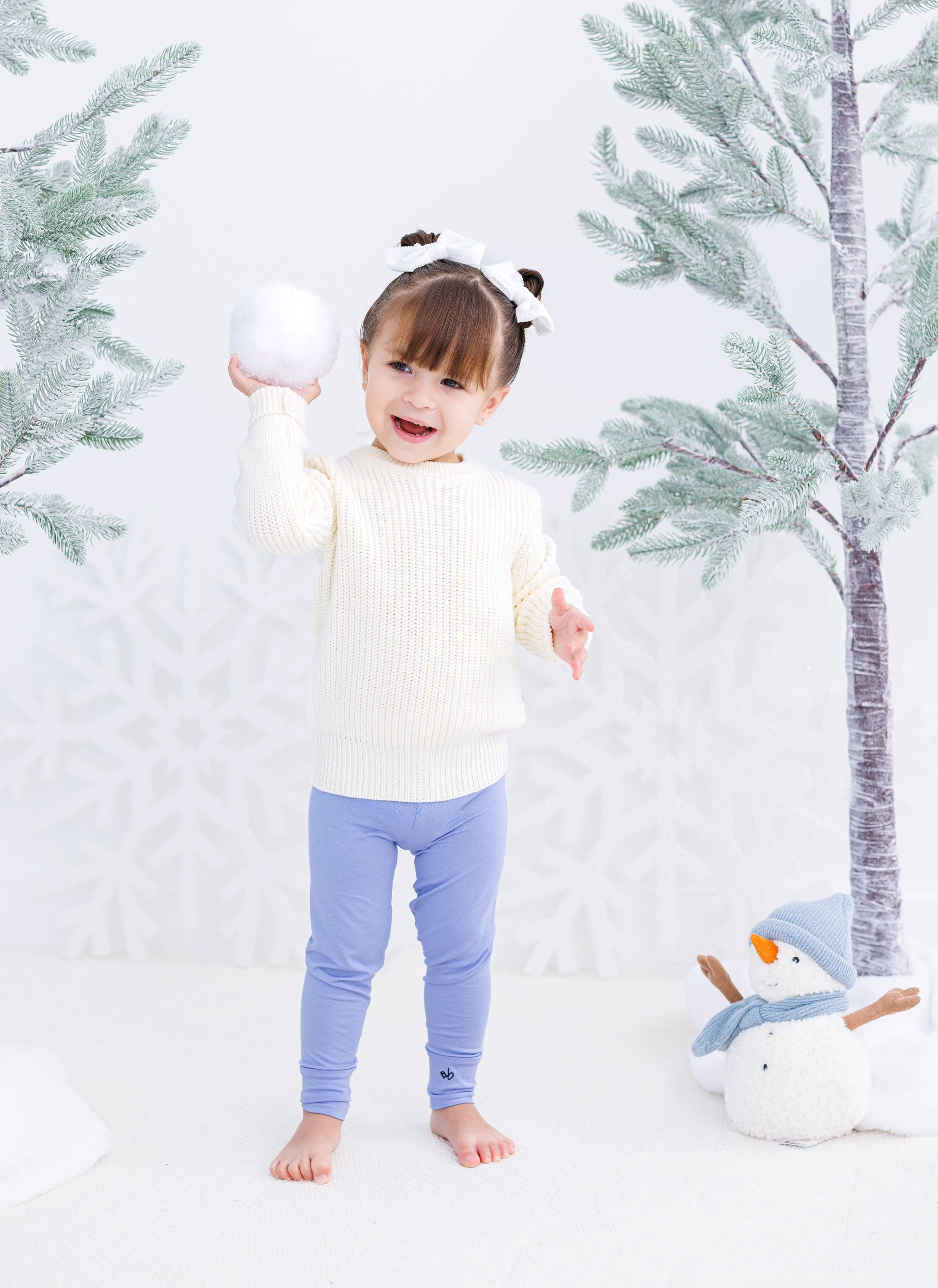
If your child plays in a sun-bright backyard and climbs low structures, a stretchy legging is a practical everyday option. Keep a rain layer in the car for surprise showers.
Match the pant to the condition you expect most often, using the comparison below.
| Play condition | Pant type | Why it fits |
|---|---|---|
| Dry, mild days at the playground | Lightweight legging or jogger | Freedom of movement without overheating |
| Wet grass, puddles and light rain | Water-resistant pant | Sheds moisture for a short outing |
| Mud, hiking and rough play | Durable pant with snug fit | Reinforced knees and snug fit protect better |
| Cold, damp mornings | Fleece-lined layer under a shell | Keeps legs warm under a shell |
Kids Waterproof Hiking Pants: What to Look For
The difference between a pant that works on a wet trail and one that leaves a child clammy comes down to a handful of construction details you can check on the product page before you buy.
Fit over features. A pant that is too big bunches and drags, which wears through faster and lets rain run in at the ankles. Measure your child's waist and inseam and check the size chart rather than trusting the age label. Find the right fit for kids pants with a step-by-step sizing guide. Leave room for a base layer, but not so much that the child trips on the hem.
Watch out: many waterproof pants are stiff and loud. If your child has sensory sensitivities, test the fabric for noise and feel before a long hike, and favor a softer shell or a lined pant with a brushed interior.
Best for: families who hike, camp or spend long days outdoors in changeable weather.
Skip if: your child only plays on dry playgrounds, where a stretchy legging is more comfortable.
Waterproof Pants for Kids: Rain, Mud, and Wet-Weather Protection
Rain pants and mud protection are two different jobs. Rain pants keep water off, while mud resistance depends on a tough outer fabric and a snug cuff. Many parents layer a stretchy base legging under a rain pant, so the child stays comfortable and dry inside.
For care, follow the label on each garment. Our bamboo leggings should be machine washed cold with a mild detergent, washed inside-out, and dried low or hung to dry. Do not bleach.
Toddler Hiking Pants 4T: Sizing, Growth Room, and Layering
Toddlers grow fast, so sizing decisions matter. For a 4T, check the chest, waist and inseam measurements rather than trusting the age label. Leave a little room for layering underneath, but avoid so much extra fabric that the child trips.
The Gridiron Greats Bamboo T-shirt and Joggers Set fits true to size, and sizing up gives a more relaxed fit. The joggers have an elastic waist, pockets and cuffed ankles.
Layer from the inside out: a soft base, a fleece or joggers middle layer, then a shell on rainy days. This system adapts as the weather changes.
Fleece-Lined Waterproof Pants for Toddlers in Cold Weather
Cold, wet days need warmth without bulk. A fleece-lined waterproof pant traps heat close to the body and blocks wind and moisture from outside. The lining matters as much as the shell: a brushed polyester fleece is soft against the skin and dries quickly, while a heavier pile lining is warmer but bulkier and slower to dry.
Match the lining to the temperature and the activity. A light fleece lining suits cool, damp mornings and active play where a child will warm up quickly. A heavier lining suits standing-around cold, sledding, watching a sibling's game, or a slow walk. If your child runs hot, a shell over a base layer may be more comfortable than a permanently lined pant, because the lining cannot be removed when the sun comes out.
Layering trade-offs. Lined pants reduce how many layers you need underneath. A common pattern is a thin base layer plus a lined shell for cold, wet days, and the same shell over a midweight layer when it is drier. Avoid stacking a thick fleece pant under a lined shell, which restricts movement and traps sweat that then chills a child when play slows down.
Construction to check. Look for an elastic or adjustable waist, reinforced seat and knees, and cuffs that fit over boots. A higher back rise helps when a toddler bends and crouches. Check that the lining is attached at the cuffs so it does not ride up the leg when the pant is pulled on.
Test mobility before the outing. Have your toddler squat, kneel and climb. If the pant restricts those movements or the fleece feels scratchy, try a different size or cut. A lined pant that is too long will bunch at the ankle and let cold air in.
Care. Wash fleece-lined pants gently to protect the lining, and avoid high heat when drying, which can damage both the fleece and the waterproof coating. Follow the label, and refresh the DWR finish when water stops beading.
Best for: cold, wet days when a child will be outside for a while but not running hard the whole time.
Skip if: your child will be highly active and is likely to overheat, in which case a shell over a breathable base layer gives more flexibility.
Pick Your First Pair for the Next Outdoor Day
Start with the play you expect most often. For daily playground time, a soft bamboo legging such as the Playbook Pink Leggings, Saddlerose Leggings or Heron Leggings is comfortable and easy to care for.
Measure your child, check the fit notes on each product, and buy one versatile pair first.
If you want to see the full range of comfortable, sensory-friendly pants for active kids, browse our pants collection to find the right fit for your next outdoor day.
Frequently Asked Questions
Are hiking pants comfortable enough for everyday outdoor play?
Often, yes, but comfort depends on the fabric and cut. Look for stretch, a relaxed seat and knee area, and a soft waistband that does not dig in when your child sits on the ground or climbs. Lightweight stretch fabrics such as the bamboo-viscose blend in the Doodlebug's leggings line are lightweight and breathable, though they are not waterproof. For muddy or wet play, pair them with a rain layer. Check the size chart before ordering, since the brand notes its leggings fit slightly roomier than pajama pants.
What features should I look for in kids' outdoor pants?
Focus on four things: fabric that breathes during active play, a comfortable waistband that stays put without pinching, reinforced knees and seat for rough ground, and room to grow or layer underneath. Tagless construction helps children with sensitive skin or sensory needs. Elastic waists or soft drawstrings are easier for young children to manage than fiddly fasteners. Washability matters too, so check care instructions before buying a pair you will wash often.
How should waterproof pants fit a child?
If you plan to layer fleece underneath, size up slightly, and test movement by having your child crouch, jump, and sit before you head outside.
Are fleece-lined pants a good choice for outdoor play?
Fleece-lined pants work well in cool or cold weather because they add warmth without bulk. They are less suited to hot days or intense activity, where they can cause overheating. For mixed conditions, consider a lightweight pair for warm days and a fleece-lined option for winter, or layer a thin base pant under a waterproof shell. Always check that the lining does not add stiffness that limits movement during active play.
