Last Updated: November 16, 2026
Quick Summary
Bamboo sheets can support a better night's sleep through a smooth sateen surface, lightweight breathability that moves body heat away, and moisture wicking that keeps skin drier. Temperature regulation is a system, so bedroom temperature, pajamas, and blanket weight matter too. No sheet treats a medical condition.
- Bamboo viscose has a sateen weave that drapes like silk and glides rather than grabs.
- Bamboo fabric wicks moisture away from the skin so sweat evaporates instead of sitting against the body.
- Wash bamboo bedding on gentle with similar items and tumble dry low to avoid shrinking and pilling.
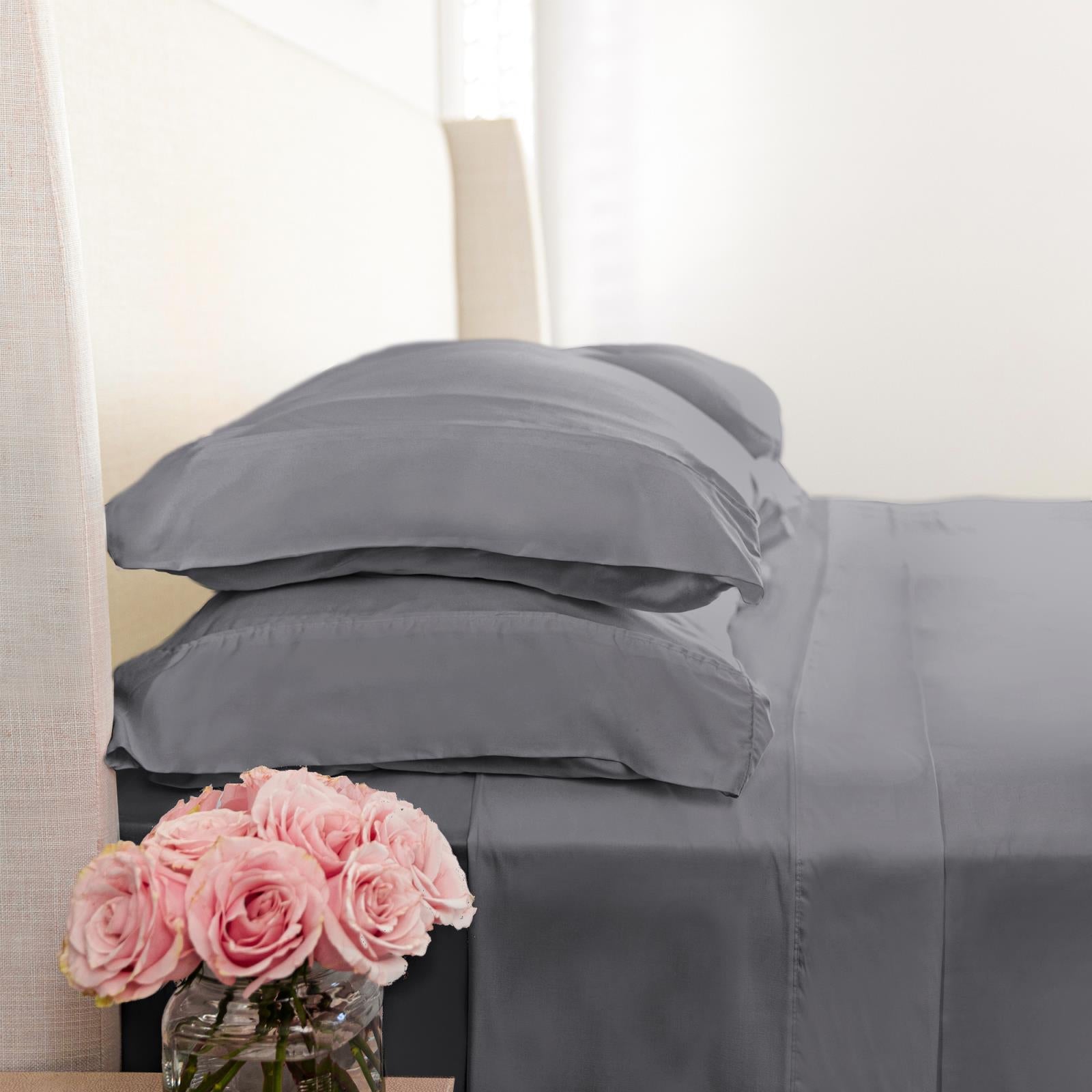
- Our woven sheet set in suede blue is 100% viscose from bamboo with a 300 thread count and fits mattresses up to 18 inches.
- Skip bamboo if you want a crisp, cool percale feel.
Table of Contents
- Why Bamboo Sheets Can Improve Sleep Comfort
- Temperature Regulation and Moisture-Wicking for Hot Sleepers
- Are Bamboo Sheets Good for Your Skin?
- Are Bamboo Sheets Cooler Than Cotton?
- Bamboo Sheets vs Cotton: An Objective Comparison
- The Pros and Cons of Bamboo Sheets
- Choosing the Right Bamboo Sheets for Your Family
- Frequently Asked Questions
Why Bamboo Sheets Can Improve Sleep Comfort
Bamboo sheets are bedding made from viscose derived from bamboo fiber, woven into a fabric prized for its smooth hand-feel and breathability. At Doodlebug's Children's Boutique, we hear one question more than any other from parents: can a sheet really change how a child sleeps? The honest answer is that bedding is one part of a sleep environment, not a magic switch. But the benefits of bamboo sheets for a better night sleep come down to three practical traits: a smooth surface, steady airflow, and moisture handling that keeps skin drier through the night.
Softness and a Smooth Feel Against the Skin
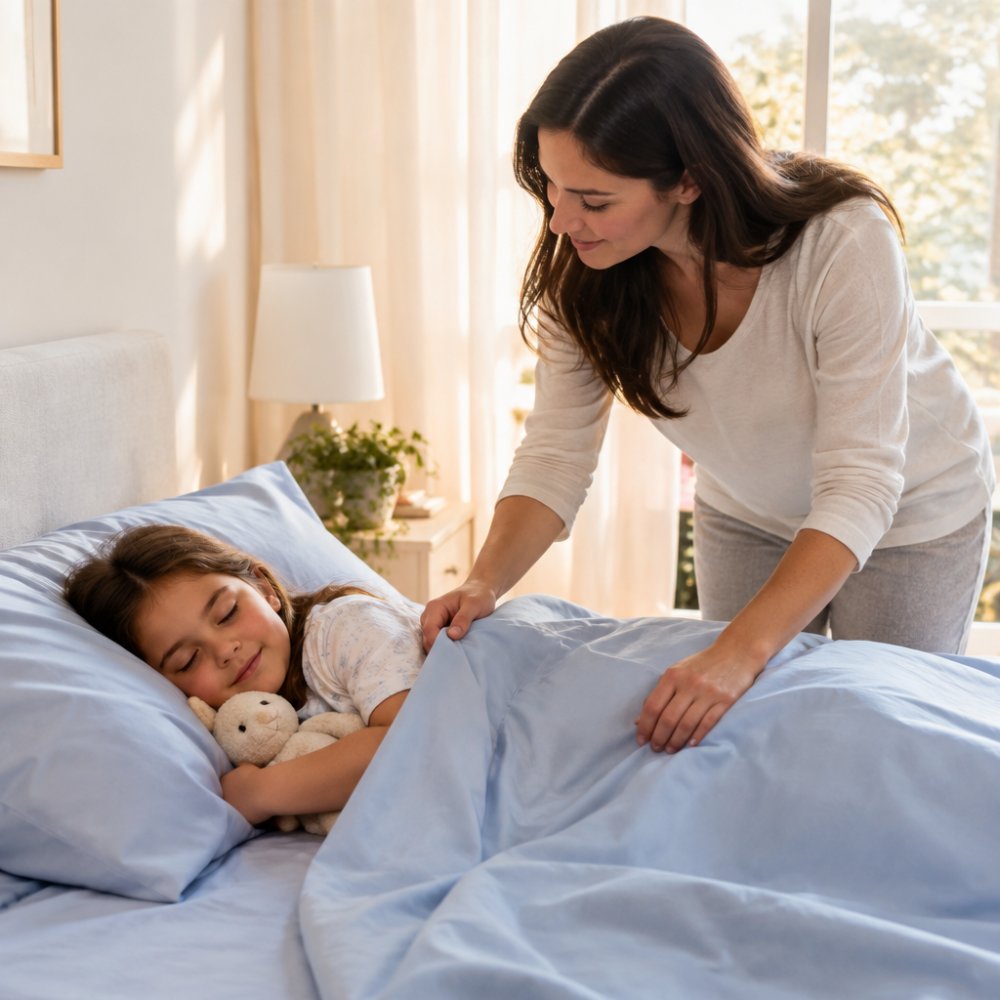
The first thing families notice is texture. Bamboo viscose has a sateen weave that drapes like silk and glides rather than grabs. For a child with skin sensitivity, a smooth feel can matter more than a high thread count number.
Breathability and Airflow for Cooler Sleep
Airflow is the second lever. Bamboo fabric is lightweight and airy, so body heat moves away from the sleeper instead of pooling under the covers. A restful sleep environment depends on that exchange.
Temperature Regulation and Moisture-Wicking for Hot Sleepers
For hot sleepers, moisture management is the deciding factor. Bamboo fabric wicks moisture away from the skin, so sweat evaporates instead of sitting against the body.
What most guides miss is that temperature regulation is a system, not a single product. The sheet handles moisture at the surface, but bedroom temperature, pajama fabric, and blanket weight all pull in the same direction. If a child still wakes damp, look at the whole stack before blaming the sheets.
Are Bamboo Sheets Good for Your Skin?
Bamboo sheets have a smooth sateen weave that glides over skin, and the fabric is breathable and lightweight.
What the Hypoallergenic and Antibacterial Claims Really Mean
A useful way to sort the claims is by what they actually describe:
- Allergy and eczema caveats: no sheet treats a medical condition. If allergies or eczema are a concern, ask your pediatrician and patch-test any new bedding before a full night's use.
Skin Comfort and Cleanliness in Practice
Wash bedding on a regular schedule, skip fabric softener that coats the fibers, and keep the sleep surface dry.
Are Bamboo Sheets Cooler Than Cotton?
Bamboo sheets are a lightweight, breathable option, and how cool they feel depends on the weave and the weight of the fabric.
Bamboo Sheets vs Cotton: An Objective Comparison
Neither material wins outright; the right pick depends on the sleeper. Here is how they compare on the factors that shape sleep comfort:
| Factor | Bamboo Sheets | Cotton Sheets |
|---|---|---|
| Feel | Silky, cool, drapes closely | Crisp (percale) or smooth (sateen) |
| Breathability | Lightweight, high airflow | Varies by weave and weight |
| Moisture handling | Wicks quickly, dries fast | Absorbs well, dries slower |
| Care | Gentle cycle, tumble low | Machine wash, often warmer |
| Durability | Softens with wash, can pill if mistreated | Long-lasting, resists pilling |
For a deeper fabric breakdown, our guide to organic cotton vs bamboo clothing walks through the trade-offs side by side.
The Pros and Cons of Bamboo Sheets
The pros and cons of bamboo sheets are worth weighing honestly before you buy:
Pros
- Silky, smooth feel that suits sensitive skin
- Lightweight and breathable for warmer rooms
Cons
-
Can pill or snag if washed roughly
-
Costs more than basic cotton
Fabric Types and How Processing Changes the Sheet
Bamboo bedding is not one material. The label usually tells you which process produced it, and that process shapes feel, durability, and environmental footprint:
- Viscose and rayon from bamboo: the most common retail form. Bamboo cellulose is dissolved in a chemical solvent and regenerated into fiber. The result is soft and drapey, but the processing is chemical-intensive, and the raw plant's natural properties do not carry through unchanged.
- Lyocell (often sold as Tencel): a closed-loop regeneration process that recovers most of the solvent. It tends to be strong, smooth, and consistent, and the closed-loop claim is the one to look for on the label.
- Mechanically processed bamboo: the plant is crushed and the fibers combed out rather than dissolved. This retains more of the raw fiber's character but usually produces a coarser, linen-like fabric, not the silky sateen most shoppers expect.
Care Instructions and How Long They Last
Machine wash on gentle with similar items and tumble dry low.
Watch out: washing bamboo on a hot cycle or drying it on high is the fastest way to shrink and pill a good set.
Treated well, bamboo sheets stay smooth for years; mistreated, they pill and thin faster than a comparable cotton. Our complete bamboo fabric care guide covers washing in detail.
Sustainability Trade-Offs
The product listing describes this business's bamboo fiber as organically and sustainably grown.
Choosing the Right Bamboo Sheets for Your Family
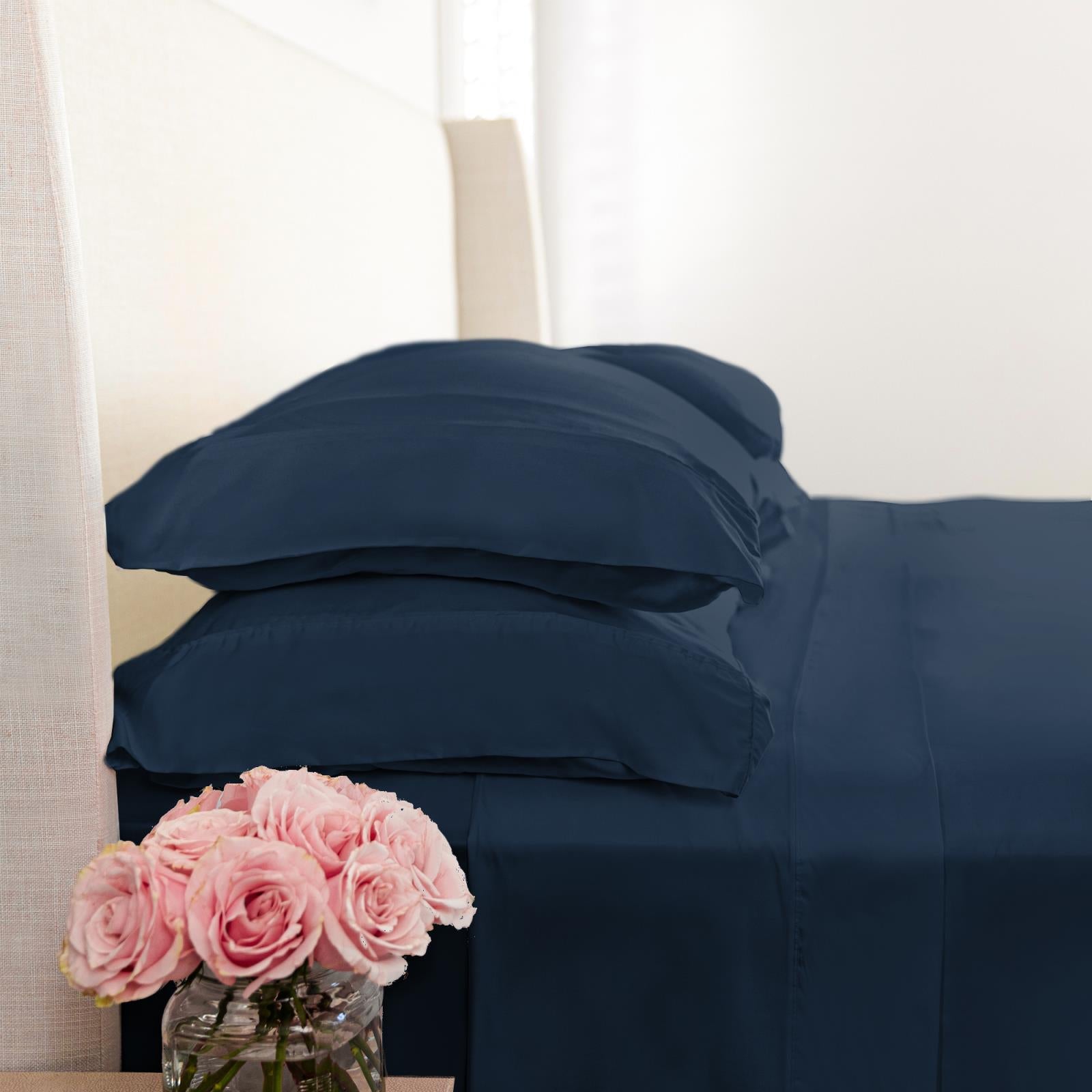
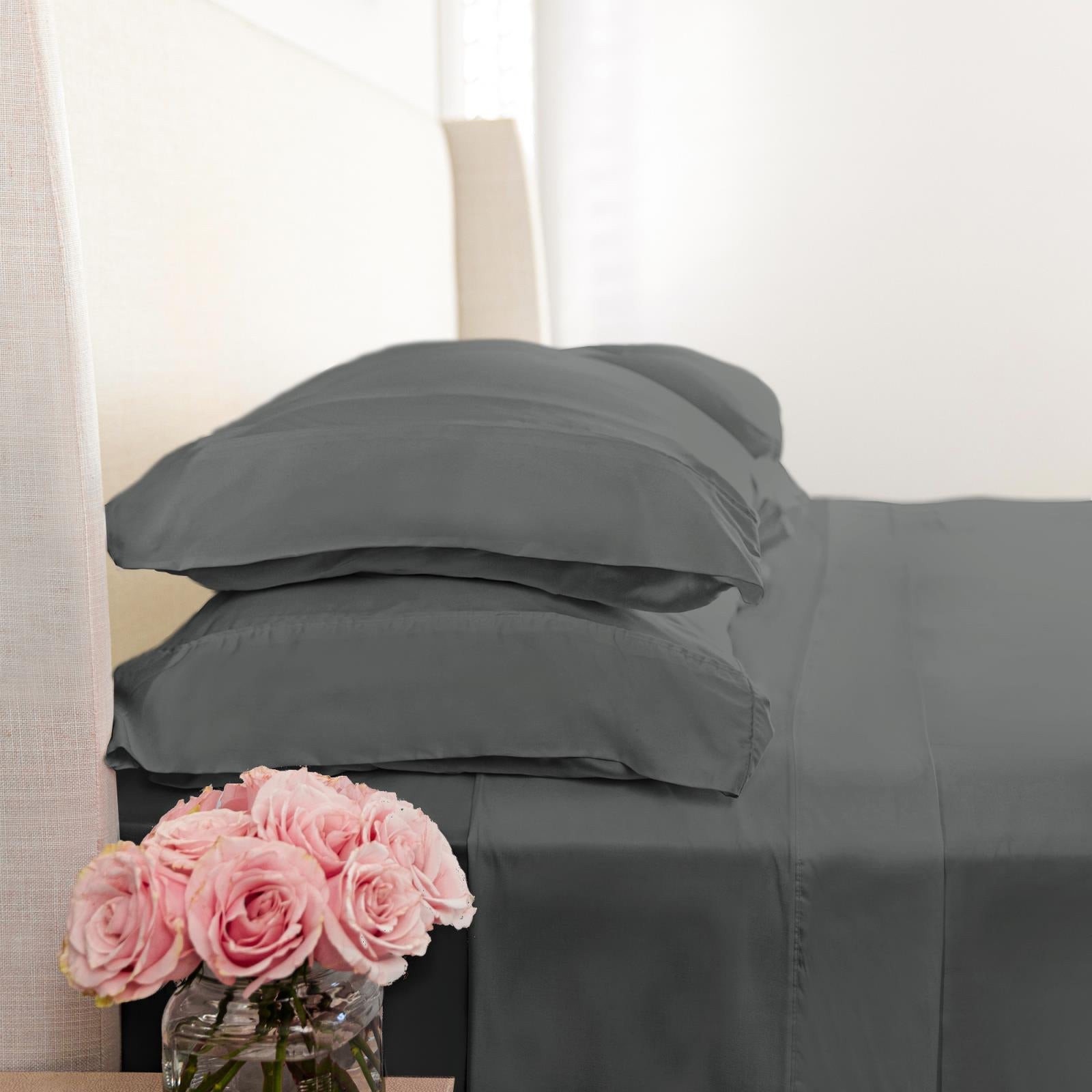
For a concrete starting point, our woven sheet set in suede blue is 100% viscose from bamboo with a 300 thread count and fits mattresses up to 18 inches. Prefer a softer neutral? The woven sheet set in stone and woven sheet set in feather offer the same sateen weave in calmer tones.
Skip if: you want a crisp, cool percale feel.
A better night's sleep rarely comes from one purchase, but the right bedding removes a real obstacle. If your child runs warm or reacts to rough fabric, start with a breathable bamboo set and build the rest of the sleep environment around it. Doodlebug's Children's Boutique carries tag-free bamboo bedding with a smooth sateen weave.
Frequently Asked Questions
What is the downside to bamboo sheets?
The main downsides are care and cost. Viscose from bamboo can wrinkle and may need a gentle cycle and low tumble dry to keep its smooth feel, . Check the care label before buying.
Are bamboo sheets cooler than cotton?
The exact feel depends on the weave and fabric weight. A sateen-weave viscose from bamboo, like the Woven Sheet Set in Suede Blue at $150.50, is lightweight and breathable.
Are bamboo sheets good for your skin?
Bamboo sheets have a smooth sateen weave, and the product listing describes them as hypoallergenic. The Woven Pillowcase Set in White at $40.50 has a tag-free label for extra comfort. Anyone with a diagnosed allergy should still patch-test new bedding, and wash new sheets before the first use to remove any manufacturing residue.
Do dust mites live in bamboo sheets?
Dust mites can live in most bedding, including bamboo, so no sheet is completely mite-proof. Washing sheets weekly in hot water and keeping bedroom humidity low does more to control dust mites than the fabric choice alone.
