Table of Contents
- Understanding Sensory Processing Disorder and Clothing Sensitivity
- How Seams, Labels, and Textures Trigger Sensory Overload
- The Real Benefits of Seamless Clothing for Sensory Processing
- Best Fabrics for Sensory Processing Disorder
- Sensory-Friendly Clothing Brands and What Sets Them Apart
- How to Help a Child with Clothing Sensitivity: A Selection Guide
- Making the Transition: Practical Tips for Success
- Frequently Asked Questions
Last Updated: October 20, 2026
Understanding Sensory Processing Disorder and Clothing Sensitivity
Sensory processing disorder affects how the nervous system receives and interprets sensory information, and for many children, everyday clothing becomes a source of significant distress, making seamless clothing sensory solutions essential.
Seamless clothing sensory design can transform a child's experience: mornings become calmer, focus improves, and children feel more comfortable in their own skin.
Sensory processing disorder encompasses conditions where the brain struggles to organize and respond to sensory input.
Clothing sensitivity is one of the most common and disruptive manifestations. A child might refuse long sleeves, avoid certain fabrics, or melt down when trying on new clothes.
How Seams, Labels, and Textures Trigger Sensory Overload
The physical structure of ordinary clothing creates multiple sensory challenges. Seams can feel like constant pressure points against sensitive skin.
Labels are another common trigger. Woven care labels at the neck, printed size tags on waistbands, or small branding labels can create localized irritation.
Fabric texture matters enormously. Rough, stiff, or heavily treated synthetics feel harsh against sensitive skin, loose weaves create unpredictable input, and moisture-trapping materials create a clammy sensation.
Seams, labels, and problematic textures combine into what parents describe as a "sensory storm." A child puts on a shirt and immediately meets multiple irritants.
The Real Benefits of Seamless Clothing for Sensory Processing
Seamless clothing eliminates one major source of sensory irritation, but the benefits extend beyond comfort. When clothing stops being a source of distress, children experience genuine improvements in focus, emotional regulation, and daily functioning.
Reduced Irritation and Skin Sensitivity
The most immediate benefit is the elimination of seam pressure. Without doubled fabric running along the body, there's no constant pressure point or focal stimulus demanding attention. For a hypersensitive child, the skin experiences consistent, predictable texture rather than interrupted sensation.
Seamless garments made from soft, breathable materials also reduce irritation from friction and moisture. Traditional seams create spots where sweat accumulates or fabric rubs repeatedly; seamless construction distributes pressure evenly and allows better air circulation. Children report seamless clothing feels "smoother," "less scratchy," and "more comfortable."
Calmer Mornings and Fewer Dressing Meltdowns
Parents consistently report that switching to seamless, tagless clothing dramatically reduces morning stress. When a child isn't fighting clothing that feels wrong, getting dressed stops being a battle and becomes a neutral task.
This shift cascades through the day. A child who spent 20 minutes in a meltdown is already dysregulated before school; a child who dressed without conflict starts with a more balanced nervous system. For many families, the reduction in morning stress alone makes seamless clothing worth the investment.
Better Focus and Emotional Regulation
When a child's nervous system isn't constantly processing uncomfortable sensations, cognitive resources free up for learning and interaction. Teachers and parents frequently notice improved focus, fewer fidgeting behaviors, and better emotional control in sensory-friendly clothing.
When the brain isn't allocating processing power to tactile discomfort, attention and executive function improve. A child wearing clothing that feels right can concentrate on schoolwork, social interaction, or play instead of sensory discomfort.
Best Fabrics for Sensory Processing Disorder
Not all soft fabrics are created equal. The best materials for children with sensory processing differences share specific characteristics: they're smooth, breathable, moisture-wicking, and hypoallergenic.
Bamboo Viscose: Soft, Breathable, and Hypoallergenic
Bamboo viscose has become the gold standard in sensory-friendly children's clothing. It's exceptionally soft, softer than most cotton, with a smooth, consistent texture that feels predictable to sensitive skin.
The fabric breathes well, wicking moisture and regulating temperature, which matters because overheating or clamminess can trigger sensory distress. Bamboo viscose maintains a comfortable microclimate without trapping heat or sweat.
Doodlebug's Children's Boutique carries bamboo clothing like the Girls Bamboo Ruffle Pants in Berry ($12.99), which feature the soft, stretchy feel that children with sensory sensitivities respond to positively.

Organic Cotton and Natural Blends
Organic cotton, properly processed, offers similar benefits to bamboo viscose. Grown without harsh pesticides and processed with minimal chemical treatment, it's softer and less irritating than conventional cotton. Blended with about 5% spandex, it stretches gently and maintains a consistent feel.
Natural fiber blends combining organic cotton, bamboo, or other plant-based materials perform well for sensory-sensitive children: breathable, moisture-wicking, and smooth wash after wash.
What to Avoid: Synthetic Fabrics and Rough Textures
Synthetic fabrics like polyester, nylon, and acrylic often feel harsh or slippery to sensory-sensitive children. They don't breathe well, trap moisture, and can create a clammy sensation; heavily treated synthetics may also retain chemical odors that trigger distress.
Avoid loose weaves or rough textures, linen, heavily textured cotton blends, or anything nubby. These create unpredictable sensory input. Stiff fabrics, even if soft, often don't work because they don't conform to the body's movements.
Sensory-Friendly Clothing Brands and What Sets Them Apart
Quality matters when investing in sensory-friendly clothing. The best brands understand sensory comfort isn't optional, it's essential.
Tagless and Flat-Seam Construction
True sensory-friendly brands eliminate tags entirely rather than relocating them. They use flat-seam or seamless construction to reduce irritation, and some use reversed seams, with the seam allowance facing outward to eliminate the ridge that irritates sensitive skin.
Our tagless designs mean no label irritation, and our seamless or flat-seam garments eliminate the pressure points that trigger distress.
Girls Bamboo Ruffle Pants in Berry – Ultra Soft Sensory-Friendly Baby Bottoms →
Quality, Durability, and Fair-Trade Practices
Sensory-friendly clothing typically costs more because quality construction and materials cost more, but that investment pays off in durability. When clothing lasts through multiple children, seasons, or washes without losing its soft feel, the per-wear cost becomes reasonable.
Fair-trade practices matter ethically and practically. Brands committed to fair-trade standards tend to maintain higher quality control and invest in materials and construction that serve children's needs rather than cutting corners.
How to Help a Child with Clothing Sensitivity: A Selection Guide
Finding the right clothing requires a systematic approach. Not every child has identical triggers, and what works for one might not work for another.
Step 1: Assess Your Child's Specific Sensory Triggers
Before buying anything, identify what specifically bothers your child: seams, labels, tight fit, certain textures, colors or patterns? The more specific you can be, the better your purchasing decisions.
Ask your child directly: "What feels wrong about that shirt?" Listen for words like "scratchy," "tight," "itchy," "bumpy," "wet," or "sticky", they point to specific sensory issues. Some children can't articulate the problem but show you by refusing to wear something or becoming distressed when dressed.
Step 2: Start with Seamless, Tagless Basics
Begin with simple foundational pieces: seamless or flat-seam socks, tagless t-shirts, seamless leggings or pants. Once you've identified materials and construction details that work, expand into more varied pieces.
Seamless socks are particularly important because children often react intensely to sock seams, which create constant pressure and friction across the toes or along the foot. Seamless socks eliminate this entirely.
Step 3: Choose Soft, Breathable Fabrics
Prioritize bamboo viscose, organic cotton blends, or other natural fibers known for softness and breathability. If possible, touch the fabric before purchasing, feel the weight and texture, and check for rough spots or inconsistencies.
Avoid anything stiff, rough, loose-woven, or heavy that doesn't breathe. The fabric should feel smooth and consistent when you run your hand across it.
Step 4: Test Fit and Comfort Before Committing
Fit matters enormously. Too tight creates pressure and restriction; too loose shifts and creates unpredictable input. The goal is a relaxed fit that allows movement without excess fabric.
Have your child try on clothing before purchasing if possible. When ordering online, look for generous return policies. Some children need a longer adjustment period, but most show immediate positive or negative reactions to fit and fabric.
Step 5: Involve Your Child in the Process
Give your child choices within the sensory-friendly options you've identified. Let them touch fabrics, choose colors, and have agency, this builds buy-in and helps them develop awareness of what feels comfortable.
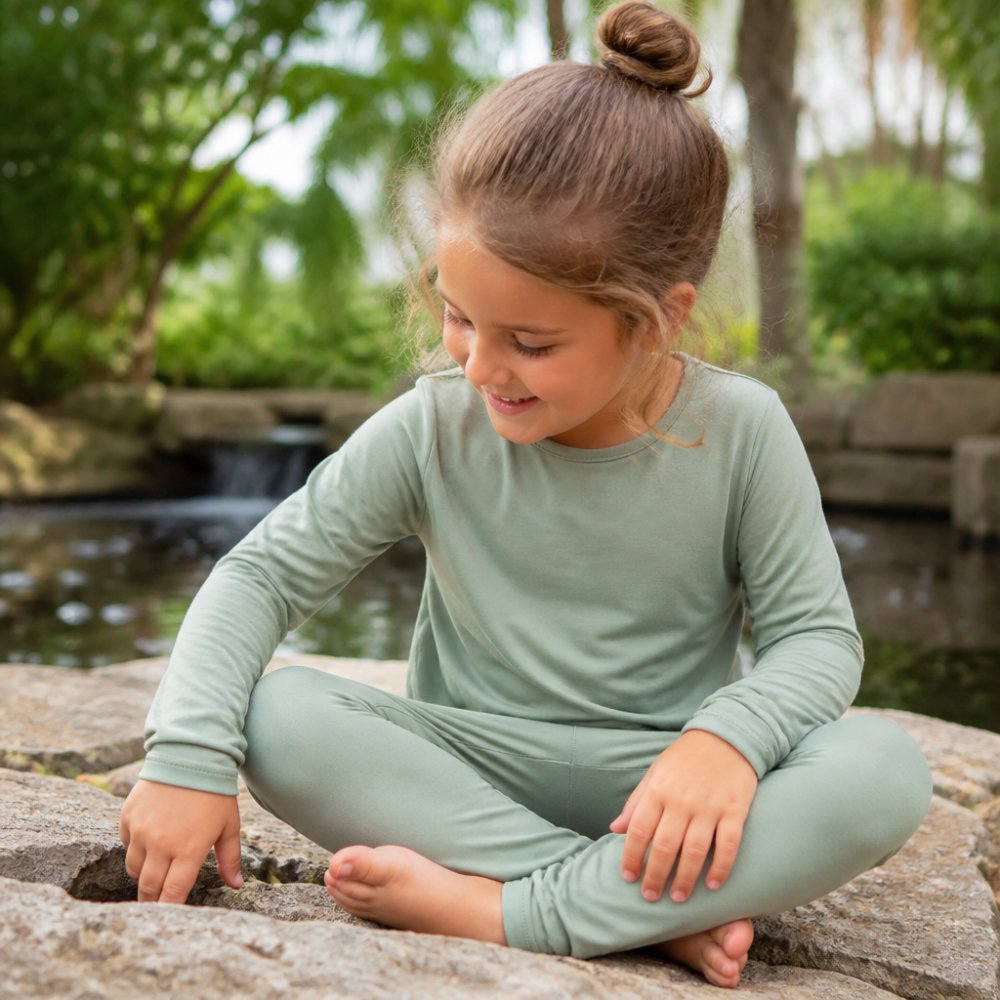
Some children respond well to gradual introduction, wearing a new garment for short periods before all-day wear helps the nervous system adapt. Others need confidence that something is comfortable before wearing it at all. Respect your child's pace.
Making the Transition: Practical Tips for Success
Switching to sensory-friendly clothing is a significant change. Managing the transition thoughtfully increases the likelihood of success.
Introduce Changes Gradually
Don't overhaul the wardrobe overnight. Start with one or two pieces addressing the most bothersome sensory issues, and let your child adjust and build confidence that sensory-friendly clothing actually feels better.
As your child experiences the benefit of comfortable clothing, they often become more willing to try additional pieces. Gradual introduction also helps you identify which fabrics, construction details, and fit preferences matter most.
Create a Comfortable Dressing Routine
Establish a predictable dressing routine. Lay out clothing the night before to avoid morning decision stress, and keep sensory-friendly clothing in the same drawer or closet. Some families create a "comfort clothing" basket of reliable items that are easy to grab.
If your child has severe clothing sensitivity, a backup outfit for school or outings reduces anxiety. Knowing a comfortable alternative exists can paradoxically reduce the likelihood they'll need it.
Care and Durability: Making Sensory-Friendly Clothing Last
Sensory-friendly clothing, especially bamboo, requires gentle care. Machine wash cold on a gentle cycle, tumble dry low, and avoid harsh detergents or fabric softeners that leave residue and affect feel.
Proper care extends garment life significantly. Clothing that stays soft and smooth wash after wash keeps providing sensory comfort; clothing that becomes stiff, pilled, or rough loses its benefit and triggers the same distress that prompted the switch.
Many families find that investing in quality sensory-friendly clothing that lasts multiple seasons or multiple children proves more economical than repeatedly replacing mass-produced alternatives that either don't work or wear out quickly.
Clothing sensitivity in children with sensory processing differences is a real challenge that affects daily functioning, emotional regulation, and family stress. Our tagless, seamless bamboo and organic cotton pieces like the Girls Bamboo Ruffle Pants and Minecraft: Summer Vibes Bamboo Dress provide the comfort and durability that sensory-sensitive children need.

Frequently Asked Questions
What are the primary benefits of seamless clothing for sensory processing disorder?
Seamless clothing eliminates one of the most common sensory irritants: seams that rub, bunch, or create pressure points against skin. For children with sensory processing differences, this single change reduces daily discomfort, lowers the likelihood of dressing meltdowns, and allows them to focus on their day rather than constant tactile irritation. When combined with soft, breathable fabrics like bamboo viscose, seamless garments also support better emotional regulation and calmer mornings.
How do seams and tags contribute to sensory overload in children?
Seams create pressure, texture changes, and physical boundaries that children with tactile defensiveness experience as uncomfortable or even painful. Tags add an extra layer of irritation through rough material and direct contact with sensitive skin. For kids with sensory processing disorder, these small details trigger constant awareness of their clothing, leading to distraction, discomfort, and difficulty focusing on school, play, or daily tasks. Removing or minimizing seams and eliminating tags significantly reduces this sensory load.
What materials are best for sensory-friendly clothing?
Bamboo viscose is widely recommended because it's naturally hypoallergenic, incredibly soft, breathable, and moisture-wicking, which helps regulate temperature and prevent skin irritation. Organic cotton is another solid choice for its softness and breathability. Look for fabrics with a smooth, buttery texture and avoid synthetics, rough weaves, or anything with a scratchy feel. The Bamboo Ruffle Pants in Berry ($12.99) from Doodlebug's Children's Boutique are made from 95% viscose from bamboo and 5% spandex, offering both softness and stretch for comfortable movement.
Can seamless clothing help reduce daily meltdowns during dressing?
Yes. Many parents report that seamless, tagless clothing significantly reduces morning and dressing-time meltdowns because children no longer experience constant tactile irritation or the anxiety that comes with anticipating discomfort. When clothing feels genuinely comfortable rather than tolerable, children are more willing to get dressed, stay dressed, and focus on their day. This is especially true when paired with soft, breathable fabrics and a calm, pressure-free approach to the dressing routine.