Table of Contents
- What Parents Actually Need From Babytoddandco Alternatives
- Sensory-Friendly Clothing for Kids: What to Look For
- Organic Bamboo Pajamas for Toddlers: Comfort That Lasts
- Calming Fidget Toys That Support Focus and Emotional Regulation
- Sizing and Fit Guide for Sensory-Sensitive Kids
- Comparing Materials: Organic Cotton, Bamboo, and Blends
- Budget-Friendly vs Premium Sensory Apparel Options
- Conclusion: Finding the Right Fit for Your Child
- Frequently Asked Questions
Last Updated: September 16, 2026
What Parents Actually Need From Babytoddandco Alternatives
Parents searching for best Babytoddandco alternatives for kids aren't chasing a brand. They want a child who stops tugging at a collar or melting down over a seam that sits wrong.
The Features That Matter Most for Sensory Needs
Three features decide whether a garment gets worn: the neckline, the seams, and the waistband.
- Tagless necklines. Printed labels instead of sewn-in tags remove the single most common irritation point.
- Flat-seam construction. Overlocked seams create ridges that press against skin. Flat seams lie flush.
- Elastic or magnetic closures. For kids who react to zippers, buttons, and snaps, these replace the trigger entirely.
- Non-toxic dyes. Low-impact, chemical-free dye processes reduce the chance of skin reactions.
Sensory-Friendly Clothing for Kids: What to Look For
Sensory-friendly clothing for kids minimizes tactile triggers: no sewn tags, flat or seamless construction, soft natural fibers, and closures that don't require fine motor precision.
Tagless Designs and Flat-Seam Construction
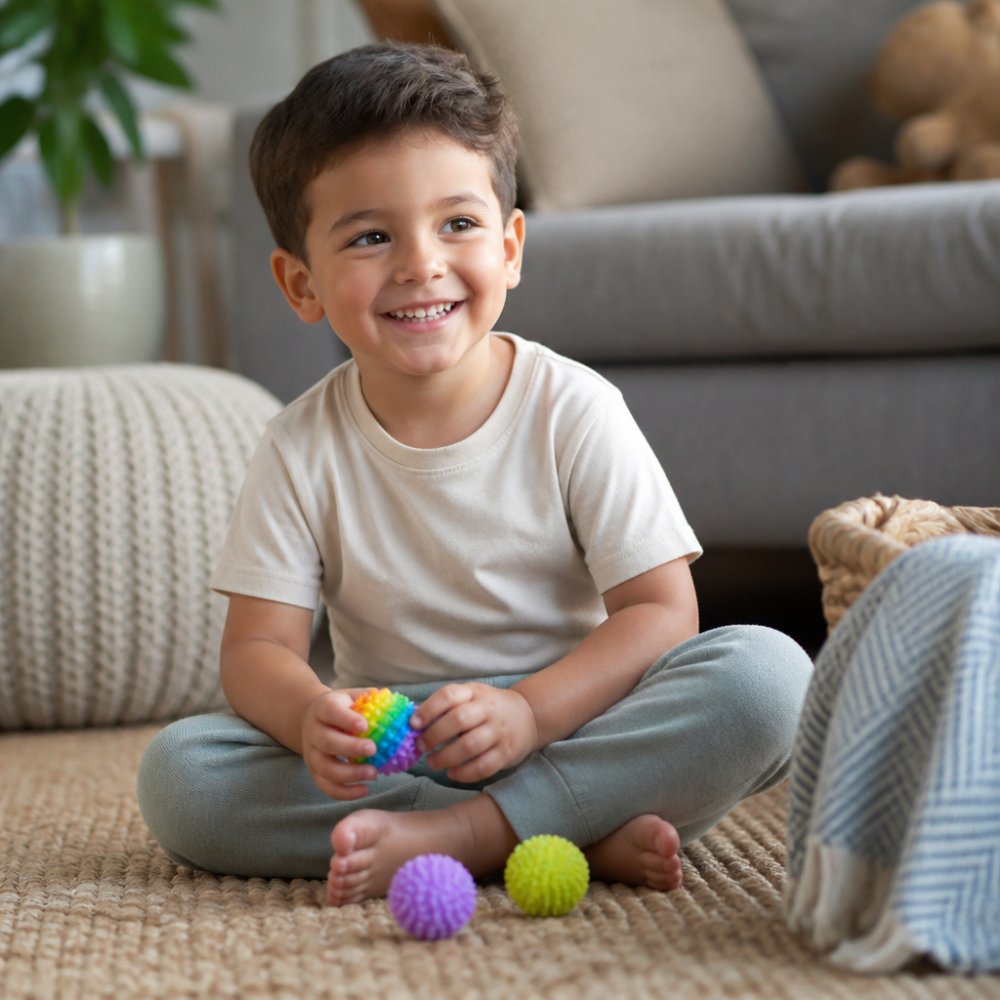
Tagless design means size and care information is printed onto the fabric rather than sewn in. For a tactile-sensitive child, it's often the deciding factor between a shirt that stays on and one that comes off before breakfast.
Non-Toxic Dyes and Hypoallergenic Fabrics
Hypoallergenic fabrics are materials less likely to trigger irritation, typically natural fibers finished without harsh chemical treatments. Organic cotton and bamboo are the most common choices. Dye matters as much as fiber: low-impact, non-toxic processes leave fewer residual chemicals, a difference that shows up for a child with eczema or reactive skin.
Organic Bamboo Pajamas for Toddlers: Comfort That Lasts
Organic bamboo pajamas for toddlers are sleepwear made from bamboo-derived fiber, usually blended with cotton or spandex for structure. Bamboo has a soft-touch finish and breathes well, helping with thermal regulation overnight. The catch is durability.
Wash-Test Durability: How Bamboo and Organic Cotton Hold Up
Bamboo is softer out of the box; organic cotton is tougher over time. Which wins depends on how you wash it.
| Fabric | Initial Softness | Pilling Risk | Best Wash Approach | Longevity |
|---|---|---|---|---|
| 100% organic cotton | Moderate, softens over time | Low | Cold wash, tumble low | Longest |
| Bamboo-cotton blend | High | Moderate | Cold wash, air dry | Long |
| 100% bamboo viscose | Highest | Higher | Hand wash or gentle cycle | Shortest |
| Cotton-spandex blend | Moderate | Low | Cold wash, tumble low | Long |
Calming Fidget Toys That Support Focus and Emotional Regulation
The right fidget toy is the one your child reaches for without being told. Tactile fidgets give restless hands a productive outlet, which is why occupational therapists and teachers keep them on hand. Doodlebug's Children's Boutique carries a range built around different sensory profiles:
- Worry Stones (Set of 6), $19.99. Six uniquely textured food-grade silicone stones in soft pastels. The quietest option here, and the best fit for classroom use or a child who picks at nails and skin.
- Flip Cube, $5.99. A 3.25-inch cube of connected blocks that folds into new shapes. Low-profile, durable, and works for tweens who'd reject anything that looks like a toy for younger kids.
- 13" Rainbow Stretchy Noodle 3-Pack, $4.99. Pull, twist, knot, and it bounces back. Cheap enough to keep one in the car, one in a backpack, and one at home.
- Ice Cream Squishy Stress Toy, $11.99. Soft, slow-rising texture at roughly 2.76 inches. Good for a desk or a calm-down corner.
- GIANT Go Bananas Banana Squishy, $26.99. Nearly 18 inches of slow-rising foam. The deep-pressure option for sensory seekers who need a bigger squeeze.
- Squish & Stretch Surprise Dumplings, $14.99. Blind-box dumplings at 3.25 inches. The surprise element keeps kids coming back to the same tool.
- Sugar Squeezy Surprise Dumplings, $11.99. The 2-inch mini version, sized for pockets and reward boxes.
- Jumbo Sticky Stretch Fish, $8.99. A 7.5-inch stretchy, sticky fidget with a texture kids either love immediately or don't.
- Sticky Stretch Puzzle Cube, $10.99. A puzzle cube with a stretchy, squishy exterior.
- Wiggle Fidget Skeleton, $8.99. Flexible body, gentle clacking sound. The auditory option for kids who need sound feedback.
Sizing and Fit Guide for Sensory-Sensitive Kids
Sensory-specific sizing is the gap most guides skip. Standard children's sizing assumes a child who tolerates a snug fit. Many don't.

| Fit Zone | What to Check | Sensory-Friendly Target |
|---|---|---|
| Shoulders | Seam sits on or off the shoulder line | Seam sits flat, no ridge |
| Neckline | Tag or printed label | Printed, no sewn tag |
| Torso | Snug or relaxed | Relaxed, room to move |
| Waistband | Elastic, drawstring, or button | Covered elastic, no exposed button |
| Cuffs | Tight or loose | Loose enough to slide over the wrist |
| Length | Cropped or full | Full length, no riding up |
Comparing Materials: Organic Cotton, Bamboo, and Blends
No single fabric wins across the board. Each trade-off is driven by fiber structure, not the word on the label, and understanding it lets you predict how a garment feels on day one versus day fifty.
Fiber Structure: Why the Fabrics Behave Differently
Organic cotton is a staple fiber: individual fibers twisted into a yarn of set length, giving it abrasion resistance and low pilling risk. It starts slightly firmer and softens with each wash.
The Comparison, Feature by Feature
| Fabric | Fiber Type | Initial Softness | Pilling Risk | Breathability | Stretch | Longevity (typical) |
|---|---|---|---|---|---|---|
| 100% organic cotton | Natural staple | Moderate, softens over time | Low | High | None (unless knit) | Longest |
| Bamboo-cotton blend | Regenerated + natural | High | Moderate | High | Low | Long |
| 100% bamboo viscose | Regenerated cellulose | Highest | Higher | High | Low | Shortest |
| Bamboo lyocell | Regenerated cellulose (closed-loop) | High | Moderate | High | Low | Moderate to long |
| Cotton-spandex blend | Natural + elastane | Moderate | Low | Moderate | High | Long |
What the Trade-Offs Mean in Practice
Organic cotton is the most durable and least likely to pill, outlasting everything else for a child who wears the same three shirts on rotation, and it's the easiest to launder. Bamboo-cotton blends land in the middle, most of bamboo's softness, most of cotton's structure, the sweet spot for pajamas washed twice a week.
How to Read a Fiber Label
A few label-reading habits separate a good purchase from a bad one:
- Check the percentage breakdown, not just the fiber names. "Bamboo-cotton" could mean 95% cotton or 95% bamboo. The order of ingredients on the label reflects which fiber is present in the greatest amount.
- Look for "lyocell" or "Tencel" over "viscose" if durability matters. Both are regenerated cellulose, but the closed-loop process generally produces a stronger finished fiber.
- Treat "organic" and "sustainable" as separate claims. Organic refers to how the fiber was grown. Sustainable refers to how the garment was made. A garment can be one, both, or neither.
Budget-Friendly vs Premium Sensory Apparel Options
Sensory apparel costs more than standard kids' clothing because of construction: printed labels, flatlock seams, and certified organic fibers all add cost at the manufacturing stage. But "more expensive" doesn't automatically mean "better for your child."
What Actually Drives the Price Up
Four construction choices account for most of the price difference between a $12 big-box tee and a $30 sensory-brand tee:
- Printed labels instead of sewn tags. Adds a screen-printing or heat-transfer step to every garment.
- Flatlock seams instead of serged seams. Requires a different machine and slower throughput.
- Certified organic fiber. GOTS-certified cotton carries a premium over conventional cotton because certification covers the entire supply chain, from farm to finished garment.
- Low-impact or fiber-reactive dyes. Fewer residual chemicals, higher dye cost.
Budget Tier: What You Can Get for Less
At the lower end, you can still find tagless necklines and soft cotton knits from mainstream brands. What you give up:
- Flatlock seams (most budget knits use standard serged seams)
- GOTS certification (you may see "organic cotton" without third-party certification)
- Consistent sizing across a product line
Premium Tier: What You Are Actually Paying For
At the premium end, you're paying for verified construction and materials. Certifications worth looking for by name:
- GOTS (Global Organic Textile Standard). Covers organic fiber content, chemical restrictions, and social criteria across the supply chain.
- OEKO-TEX Standard 100. Tests finished garments for harmful substances; a garment can carry this without being organic.
- Fair Trade Certified. Verifies labor standards at the sewing stage.
Cost-Per-Wear: The Number That Actually Matters
A $30 sensory shirt worn three times a week for a school year costs roughly $0.30 per wear. A $12 shirt rejected after two wears costs $6.00 per wear, twenty times more expensive in practice. Run the math before you buy:
- Estimate how many times per week the garment will realistically be worn.
- Estimate how many months it will survive (account for growth spurts).
- Divide total cost by total wears.
A Practical Buying Sequence
Fair-trade and ethical manufacturing claims are worth checking. Look for named certifications rather than general sustainability language, since certification requires third-party verification and general language does not.
Conclusion: Finding the Right Fit for Your Child
The search for Babytoddandco alternatives usually ends when a parent stops shopping by brand and starts shopping by construction. Tags, seams, waistbands, and dye processes decide whether a garment gets worn; everything else is marketing. That's the standard Doodlebug's Children's Boutique builds its collection around: tag-less apparel in organic and bamboo materials, fair-trade sourcing, and a fidget range from quiet classroom tools to deep-pressure squishies.
Frequently Asked Questions
What should I look for in sensory-friendly clothing for kids?
Prioritize tagless designs, flat-seam construction, and soft natural fibers like organic cotton or bamboo. These features reduce skin irritation and tactile sensitivity. Look for hypoallergenic, non-toxic dyes and breathable fabrics that support thermal regulation. Elastic waistbands and magnetic closures help children who struggle with zippers, buttons, or snaps. GOTS-certified organic materials and dermatologist-tested fabrics offer added reassurance for sensitive skin.
Are organic bamboo pajamas for toddlers worth the higher price?
Organic bamboo pajamas for toddlers offer moisture-wicking, breathable comfort that helps with thermal regulation during sleep. Bamboo fabric is naturally soft and gentle on sensitive skin, reducing clothing irritation. While they cost more upfront, durable textiles and proper care extend garment longevity. Wash-test durability shows bamboo holds up well with cold-water washing and air drying. For toddlers with sensory processing disorder, the soft-touch finish and tagless design often justify the investment.
How do I know if tagless clothing will actually help my child?
Tagless clothing removes the primary irritation point for many sensory-sensitive kids, but seams matter too. Look for flat-seam construction or seam-free designs, which eliminate bulk and friction. If your child still complains, try layering with a soft undershirt or choosing garments with wider necklines. Many parents find that combining tagless designs with hypoallergenic fabrics and non-toxic dyes resolves most complaints. Return policies let you test without risk.
What are the best materials for children with sensory processing sensitivities?
Organic cotton and bamboo are top choices because they are breathable, moisture-wicking, and naturally soft. GOTS-certified organic cotton ensures no harsh chemicals or non-toxic dyes. Bamboo offers a silky, soft-touch finish that many kids with tactile sensitivity prefer. Avoid synthetic blends that trap heat or feel rough. Flat-seam construction and tagless designs in these natural fibers reduce clothing irritation and support toddler comfort throughout the day.
How can I tell if a brand's fair-trade and sustainable claims are real?
Look for third-party textile certifications like GOTS, Fair Trade Certified, or OEKO-TEX. These verify ethical manufacturing, non-toxic dyes, and sustainable practices. Brands that publish certification details and supply chain information are more trustworthy than those making vague eco-conscious claims. Check for specific details about low-impact dyes, chemical-free processing, and fair labor practices. Doodlebug's Children's Boutique highlights its fair-trade and organic commitments, giving parents verifiable assurance.
Finding sensory-friendly pieces that actually hold up to daily wear and repeated washing takes more trial and error than most parents expect. Doodlebug's Children's Boutique curates tag-less clothing, organic and bamboo material options, and fair-trade products specifically for kids with sensory processing needs and sensitive skin, alongside fidget toys built for focus and emotional regulation. Browse the collection and build a rotation your child will actually keep on.