
Table of Contents
- Why ADHD Brains Notice Clothing Discomfort More
- Sensory Processing Disorder vs ADHD Symptoms in Kids
- Common Clothing Triggers: Itchy Tags, Seams, and Tight Fabrics
- Best Fabrics for Sensory Sensitive Children
- How to Help a Child with Clothing Sensory Issues
- Sensory-Friendly Clothing Features That Make a Difference
- Frequently Asked Questions
Last Updated: September 20, 2026
Why ADHD Brains Notice Clothing Discomfort More
Yes, people with ADHD can have sensory issues with clothing, and the discomfort is neurological, not behavioral. ADHD affects how the brain filters incoming tactile input, so a scratchy tag or a tight waistband that a neurotypical child ignores can feel impossible to overlook. At Doodlebug's Children's Boutique, we hear from parents every week whose children have melted down over a single seam.
Sensory processing is how the nervous system receives, organizes, and responds to information from the senses, including touch. In ADHD, that filtering system works differently. The brain struggles to rank sensations by importance, so every tag, seam, and fabric texture competes for attention at the same volume.
That explains why your child can wear one shirt happily for months and then refuse it overnight. The garment did not change. The nervous system's threshold did.
The Role of Sensory Filtering and Tactile Sensitivity
Tactile sensitivity is an unusually strong reaction to touch sensations that most people barely register. A child with tactile sensitivity may feel a clothing seam as scratchy, a sock seam as lumpy, or a fabric as unbearably rough against the skin.
The American Academy of Pediatrics guidance on sensory processing notes that sensory differences frequently appear alongside ADHD and can affect daily routines like dressing. The key insight for parents: this is a filtering problem, not a discipline problem.
Sensory Processing Disorder vs ADHD Symptoms in Kids
The overlap between sensory processing disorder vs ADHD symptoms in kids trips up many parents, and the distinction matters for getting the right support. ADHD is a neurodevelopmental condition affecting attention, impulse control, and executive function. Sensory processing disorder is a separate pattern where the brain misreads sensory input. A child can have one, the other, or both.
| Feature | ADHD | Sensory Processing Disorder |
|---|---|---|
| Core challenge | Attention and impulse regulation | Misreading sensory input |
| Clothing reaction | Distraction from tags and seams | Physical distress from textures |
| Diagnosis | Clinical ADHD evaluation | Occupational therapy assessment |
| Overlap | Frequently co-occurring | Frequently co-occurring |
A common mistake is assuming a child who rips off their socks has a behavior problem.
Common Clothing Triggers: Itchy Tags, Seams, and Tight Fabrics
The most common clothing triggers are itchy tags, rough seams, tight waistbands, and stiff fabric textures. These cause sensory overload because the nervous system cannot tune them out, so the discomfort builds until the child's only option is to remove the garment.
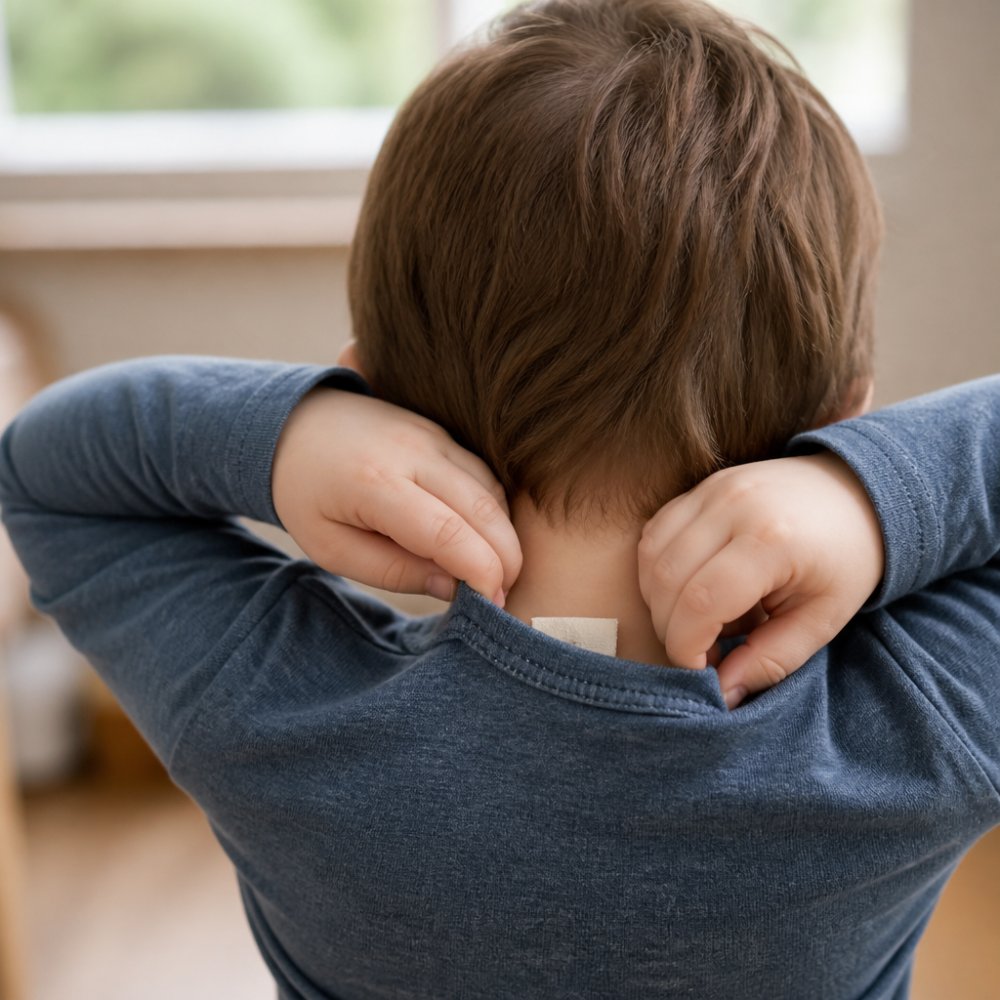
Watch for these frequent offenders:
- Itchy tags at the neck or waist that rub with every movement
- Seam irritation where stitching presses against skin
- Tight clothing that restricts movement or squeezes the waist
- Fabric texture that feels rough, stiff, or scratchy
- Fasteners like buttons, zippers, and snaps that add bulk or pressure
Best Fabrics for Sensory Sensitive Children
Here is how the main options actually behave:
- Bamboo viscose: Made by breaking bamboo cellulose down and regenerating it into fiber, which produces a very fine, smooth filament. The result is a low-friction surface that glides rather than drags, plus strong moisture wicking so the fabric does not stay damp against skin. Trade-off: it can pill with heavy abrasion and usually needs gentler washing.
- Brushed cotton: Cotton flannel or brushed jersey is mechanically napped, which raises a soft pile that traps air. That warmth is a benefit in cool weather and a problem in heat, because the same pile reduces breathability. Trade-off: excellent familiarity and durability, but slower to dry.
- Modal: A regenerated cellulose fiber, usually from beechwood, that is smoother and more pill-resistant than standard cotton and holds its shape through repeated washing. Trade-off: it can feel cool and slightly slick, which some children dislike even though it is technically soft.
- Merino wool (fine-gauge): Unlike coarse wool, fine merino fibers are thin enough to bend rather than prickle against skin, and it regulates temperature well. Trade-off: cost, and some children still register the fiber's natural crimp as itchy.
- Synthetic blends (polyester, nylon, spandex): These add stretch and durability, and a small percentage of spandex is often what lets a garment move without pulling. Trade-off: pure synthetics can trap heat and build static, and some children find the clammy feel worse than cotton.
If you are comparing two garments and cannot tell which is softer, rub each one against the inside of your own wrist for ten seconds. That patch of skin is closer in sensitivity to a tactile-sensitive child's threshold than your fingertips are.
How to Help a Child with Clothing Sensory Issues
Helping a child with clothing sensory issues starts with removing the trigger, not teaching the child to tolerate it. The goal is comfort-focused dressing that supports nervous system regulation instead of fighting it.
Try this sequence:
- Identify the trigger. Ask your child to point to what bothers them, or watch what they tug at.
- Remove or cover it. Cut tags out completely, or choose tagless garments.
- Test fabrics slowly. Introduce one new material at a time and note the reaction.
- Build a safe wardrobe. Keep a rotation of garments you know work.
- Prepare for transitions. Lay out clothing the night before to reduce morning friction.
DIY Sensory Modifications That Work
Low-cost modifications can rescue clothing your child already owns. Cut tags flush with the seam rather than pulling them out, which can leave a sharp edge. Turn seams outward on socks and undershirts so the stitching faces away from skin. Add a soft cotton undershirt as a barrier between a scratchy sweater and the body.
Sensory-Friendly Clothing Features That Make a Difference
The features that matter most are tagless construction, flat seams, soft elastic waistbands, and stretchy, breathable fabric. Together they reduce the constant tactile input that drives emotional dysregulation during dressing.
When you shop, check for these specifics:
- Tagless necklines that eliminate the primary itch point
- Flatlock or covered seams that lie smooth against skin
- Soft, wide waistbands that do not dig or roll
- Stretch fabric that moves without pulling
- Hypoallergenic materials for sensitive skin
The Emotional Toll Nobody Talks About
Most guides stop at the checklist. The harder part is what repeated clothing discomfort does to a person over time. When a child is told to "just deal with it" or is punished for refusing a scratchy sweater, the message they absorb is that their body is wrong. That shame compounds. Many adults with ADHD describe years of being labeled dramatic, picky, or difficult because of clothing reactions that were genuinely painful to them.
Adults, Dress Codes, and Professional Environments
- Choose the softest version of the required item. If the dress code calls for a blazer, look for unlined, stretch-blend styles with no shoulder pads and remove any interior tags.
- Layer strategically. A soft, tagless base layer under a structured garment puts a smooth barrier between skin and the rougher fabric.
- Prioritize footwear and waistbands. These are the two most common all-day triggers for adults, and both can usually be swapped for compliant but comfortable alternatives.
- Request an accommodation when needed. Under the Americans with Disabilities Act, employers are generally expected to provide reasonable accommodations for qualifying conditions, and a relaxed dress-code item can sometimes be part of that conversation with HR.
- Keep a tested rotation. Once you find a work outfit that works, buy multiples. Decision fatigue is real, and removing the daily "what can I wear" problem reduces sensory load before the day starts.
The CDC overview of ADHD in children is a useful starting point if you are still sorting out whether your child's reactions point to ADHD, sensory processing differences, or both.
Frequently Asked Questions
How do sensory issues differ in people with ADHD and autism?
ADHD and autism both involve sensory processing differences, but they show up differently. In ADHD, sensory issues often link to attention and impulse control, so a child might be distracted by a tag or seam rather than distressed by it. Autism typically involves more consistent and intense sensory aversions, like strong reactions to textures or sounds. Some children have both conditions, and a professional can help sort out which sensory profile fits best.
What are some common signs of tactile sensitivity in children with ADHD?
Watch for repeated pulling at clothes, refusing to wear certain fabrics, complaining about tags or seams, or becoming upset during dressing. A child might also avoid hugs, prefer tight pressure, or react strongly to messy hands. These behaviors suggest tactile sensitivity, which is common in ADHD. Keeping a simple log of triggers can help you spot patterns and choose clothing that works better.
What are the best materials for children with sensory processing sensitivities?
Soft, breathable fabrics like bamboo viscose, organic cotton, and modal tend to work well because they feel smooth and stretch without being tight. Look for tagless designs and flat seams to reduce irritation. Bamboo pajamas and ruffle pants from Doodlebug's Children's Boutique are examples made from 95% viscose from bamboo and 5% spandex, which gives gentle stretch and a buttery feel. Avoid rough wool, stiff denim, and synthetic blends that trap heat.
How can parents identify if clothing is causing sensory overload?
Notice when your child's behavior changes after getting dressed: increased fidgeting, meltdowns, or trying to remove clothes. These can be signs of sensory overload. Try a process of elimination by switching one item at a time to a tagless, seamless option. Keep a diary of what they wore and how they reacted. If discomfort continues, talk with an occupational therapist who can help build a sensory-friendly wardrobe plan.
Clothing battles drain everyone in the family, and they rarely resolve by pushing harder. The better path is choosing garments engineered for comfort from the start. Doodlebug's Children's Boutique offers tagless designs, organic and bamboo materials, and fair-trade options, all built for kids who feel everything. Explore the collection and give your child clothing that finally feels right.