
Quick Summary
The best diaper bag is the one that fits how you actually spend your day. Map your routine first, then choose a backpack for long walks, a tote for quick errands, or a crossbody for a middle ground, and check that the layout keeps essentials within reach.
- Plan for the next 12 to 18 months, not just the newborn stage.
- Test how quickly you can reach a wipe or pacifier without unpacking.
- Keep a tote's contents below about 5 pounds and rotate the strap between shoulders.
- Choose a sealed wet bag with a double zipper or roll-top closure to avoid leaks.
- Use dedicated pouches for medicine and first aid so they are easy to find.
Table of Contents
- Start With How You Actually Use a Diaper Bag
- Pick the Right Style: Backpack, Tote, or Crossbody
- Check Compartment Layout and Capacity
- Look for a Changing Station and Organization Systems
- Diaper Bag Organization Tips That Keep Essentials Reachable
- Set Your Budget and Choose Your Diaper Bag Today
- Frequently Asked Questions
Start With How You Actually Use a Diaper Bag
Most parents buy a diaper bag based on looks, then discover it doesn't fit their routine. The better approach starts with how you actually spend your days. Before you compare features, map out a typical day: school runs, grocery trips, doctor visits, or long walks to the park.
Ask yourself a few direct questions. Do you carry the bag on one shoulder, across your body, or on your back? Do you usually have a stroller? Are you juggling a toddler's hand with a coffee cup? Your answers point you toward the right size, strap style, and number of pockets.
A common mistake is buying a bag sized for the newborn stage and then outgrowing it within months. Plan for the next 12 to 18 months, not just the first few weeks. A bag that holds extra clothing changes, snacks, and a small first-aid kit will serve you longer.
Watch out: a bag that looks spacious can still be frustrating if the essentials sit at the bottom. Test how quickly you can reach a wipe or a pacifier without unpacking everything.
Pick the Right Style: Backpack, Tote, or Crossbody
Diaper bags come in three main styles, and each one distributes weight differently. The right choice depends on how often your hands need to stay free, how far you walk on a typical day, and how much you expect to carry once the bag is full of supplies.
Backpacks: Best for Long Days and Hands-Free Parenting
A backpack spreads load across both shoulders and across the lower back, which is why it is a common choice for parents who walk long distances. Padded shoulder straps and a contoured back panel help keep the load close to the body. Compare the empty weight of each backpack, since every ounce of frame adds up over a full day.
Totes: Quick Access and Short Trips
A tote is faster to grab and set down, which suits errands, daycare drop-offs, and days when you carry only a few essentials. Many totes have a wide, open mouth that lets you reach a pacifier or wipe without unzipping multiple compartments. The trade-off is that a tote concentrates weight on one side of the body. If you regularly carry a full bag, rotate the strap between shoulders and keep the bag's contents below about 5 pounds.
Crossbody Bags: Middle Ground for Mobile Parents
A crossbody strap runs diagonally from one shoulder to the opposite hip, which balances the load better than a single-shoulder tote while keeping the bag more compact than a backpack. Crossbody styles work well for parents who take public transit, navigate crowded spaces, or want the bag to stay secured against the body in a stroller-heavy setting. Most crossbodies hold less than a backpack, so they suit lighter daily loads or a second bag for quick outings.
Choosing Among the Three
A practical test is to pack the bag as you would for a typical day, then walk your usual route for 15 minutes. Note which shoulder aches first, whether your hands stay free, and how easily you reach essentials. Parents who push a stroller most of the time often prefer a backpack. Parents who rarely carry more than a few items often find a crossbody or tote more convenient.
Check Compartment Layout and Capacity
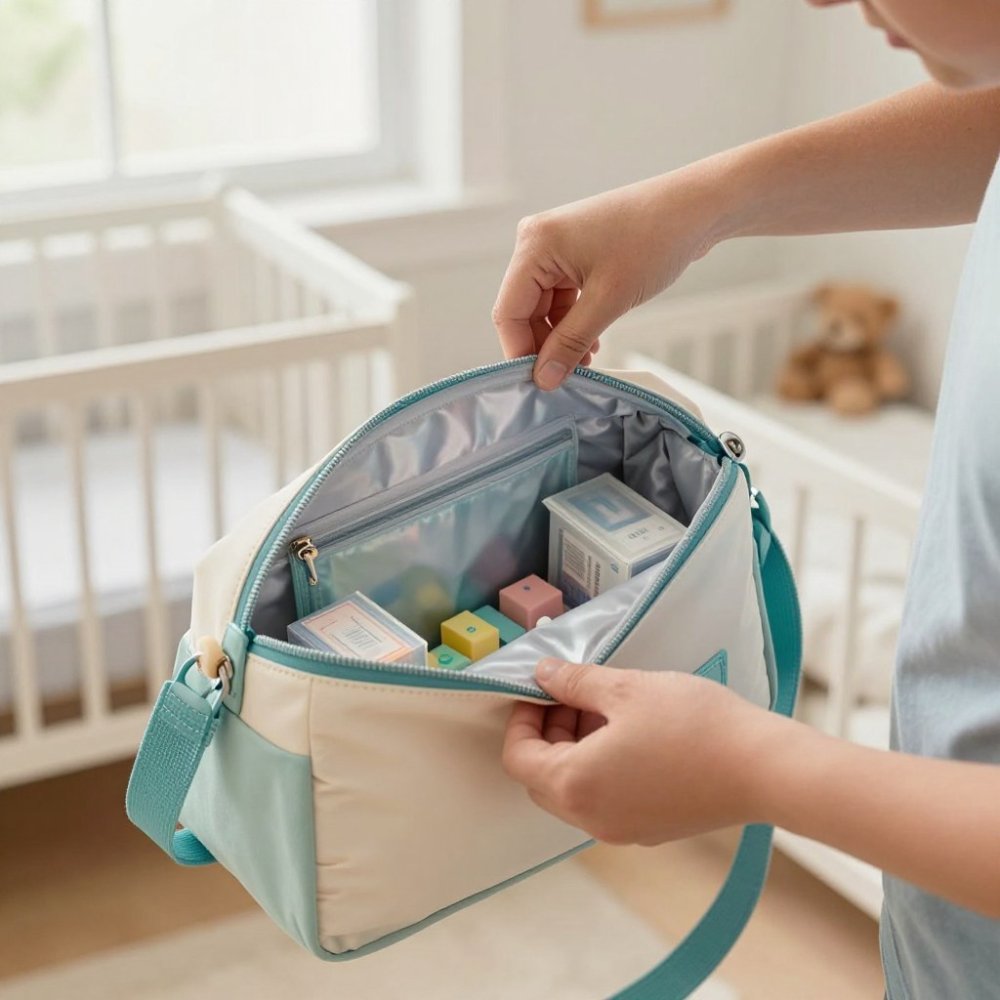
Capacity matters less than layout. A large bag with one open compartment becomes chaotic fast. A smaller bag with defined zones keeps things findable.
Look for these features:
- A dedicated insulated pocket for bottles or snacks
- Zippered compartments that separate clean and soiled items
- A wipe-clean interior that handles spills
- Quick-access side pockets for keys, a phone, or sanitizer
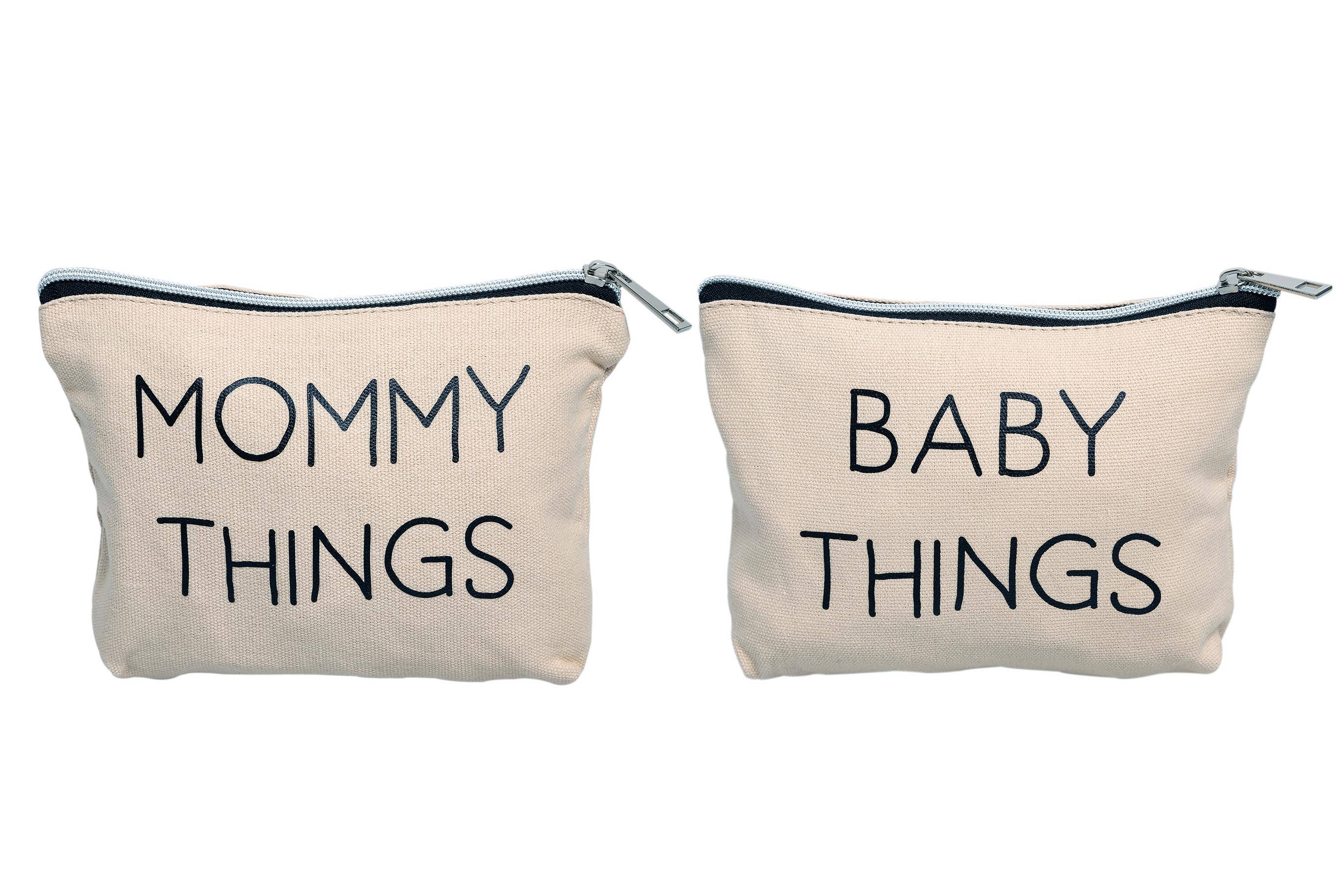
Organization pouches and packing cubes make this easier. They let you move essentials between bags without repacking everything. The Mom & Baby Organizer Pouch Set from Doodlebug's Children's Boutique, priced at $24.99, has matching labeled pouches for mom and baby items. You can see how the pouch set divides everyday essentials before you decide how to structure your own bag.
Look for a Changing Station and Organization Systems
A changing station matters most when you are away from home and need a clean, flat surface quickly. Many diaper bags include a fold-out pad, but the quality of that pad varies widely. Check whether the surface is wipe-clean or fully waterproof, whether the pad is firm enough to support a wriggling baby, and whether it folds down to a size that fits your bag without crowding the rest of the contents. If your bag lacks a pad, a lightweight waterproof mat that rolls into a pouch can fill the gap.
How Waterproof Materials Actually Perform
Check whether the manufacturer specifies the exterior and interior materials and whether the seams are taped or stitched. Taped seams help keep liquid from passing through the stitching holes, which matters if you carry bottles or wet clothing.
Sealed Wet Bags and Containment
A sealed wet bag is the simplest way to separate soiled items from clean ones. Look for a bag with a double zipper or roll-top closure, since single zippers tend to leak under pressure. Some models include a strap that clips to a stroller handle, which keeps the bag accessible without taking up space inside the main compartment. Read the care label before buying so you know how to clean the bag.
Organizing Pouches and Packing Cubes
Packing cubes and small pouches let you group items by use and move them between bags without repacking everything. A common setup separates diapers and wipes, feeding supplies, a first-aid kit, and personal items into four distinct pouches. This approach also helps when you already own a bag but struggle with clutter, because the pouches impose structure on a main compartment that would otherwise fill up with loose items. Choose pouches with clear labeling or a mesh panel so you can see contents without opening each one.
Maintenance Between Uses
Wipe interior surfaces after outings that involved spills, and allow wet bags to dry fully before storing.
Diaper Bag Organization Tips That Keep Essentials Reachable
Good organization is a habit as much as a feature. A few simple routines keep your bag ready to go.
- Group items by use. Keep diapers, wipes, and a changing pad together. Put feeding supplies in one insulated pocket.
- Use a dedicated pouch for medicine and first aid. This makes it faster to find a bandage or fever reliever in a hurry.
- Reset the bag after each outing. Restock diapers and wipes right away so the bag is ready next time.
- Keep a sealed wet bag in the front pocket. It lets you contain a soiled item without digging through the bag.
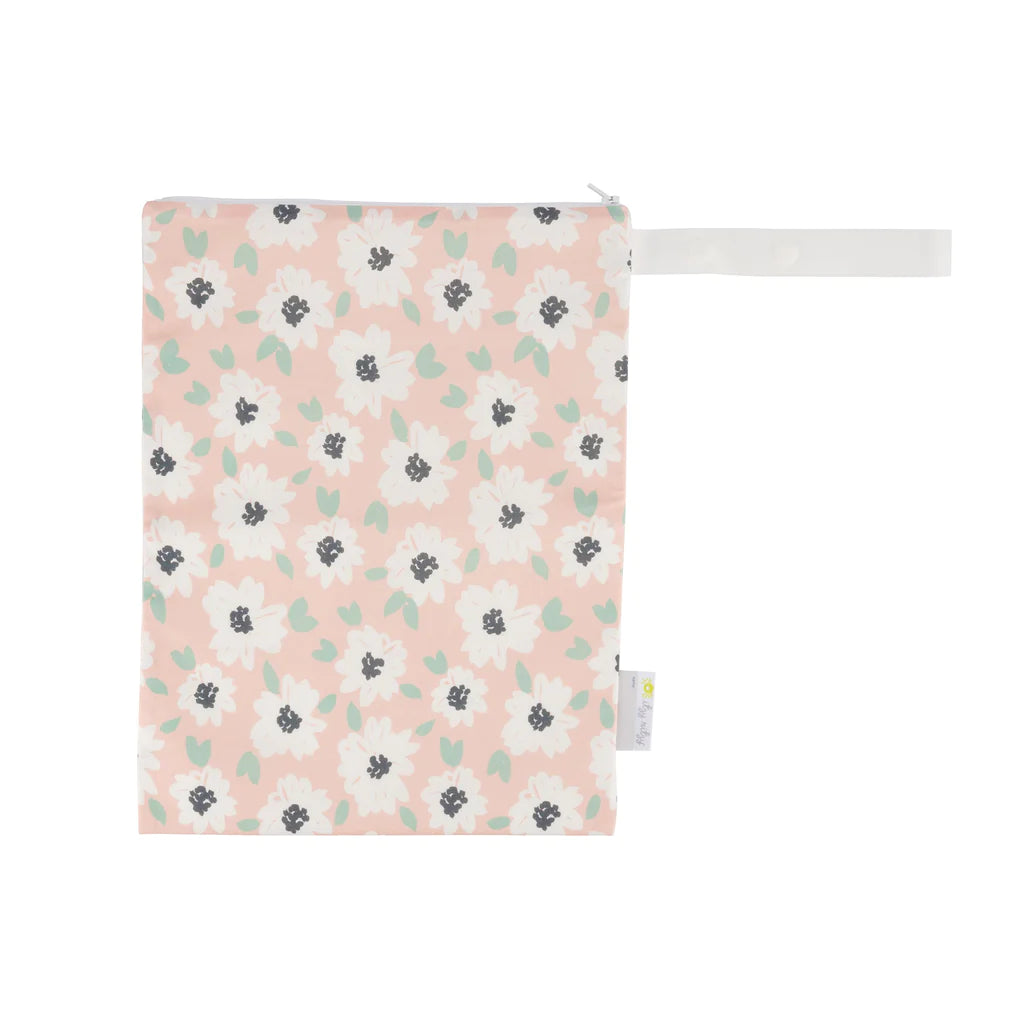
A 3-in-1 wet and dry bag set gives you flexibility. The Wet Dry Bags 3 in 1 Set from Doodlebug's Children's Boutique, priced at $59.99, includes three nested pouches that work as either dry or wet bags. The bags are machine washable. Another option is the Travel Happens Reusable Sealed Wet Bag at $18.99, which measures 11 by 14 inches and has sealed seams.
Watch out: overpacking the main compartment makes it hard to find anything. Keep the bag to what you actually use each day, and store extras in the car.
Set Your Budget and Choose Your Diaper Bag Today
Diaper bags cover a wide price range, so set a budget before you shop. Decide what matters most: a comfortable backpack, a clear layout, or a set of organizers. Then compare options within that range.
Here is a quick look at the Doodlebug's Children's Boutique products mentioned in this guide:
| Product | Price (USD) | Best For |
|---|---|---|
| Mom & Baby Organizer Pouch Set | $24.99 | Separating mom and baby essentials |
| Pack Like A Boss Packing Cubes | $36.99 | Organizing a diaper bag by category |
| 3-Piece Pouch Set Navy | $60.99 | Keeping daily items in one place |
| Wet Dry Bags 3 in 1 Set | $59.99 | Separating wet and dry items |
| Travel Happens Reusable Sealed Wet Bag | $18.99 | Containing messes on the go |
| Wet Bag - Finn | $19.99 | Holding soiled diapers and inserts |
| Be Quick Sunbeam | $17.99 | Quick trips with diapers and wipes |
Price (USD)
Pick the style that fits your daily routine, then add organizers that solve the problems you face most often. Start with what you need now, and add pieces as your routine changes. Browse the full collection to find the right organizers for your bag.
Last Updated: November 10, 2026
Frequently Asked Questions
What should you look for in a diaper bag?
Look for a layout with at least one main compartment, several interior pockets, and a dedicated spot for wet items. Insulated bottle pockets, a wipe-clean interior, and a waterproof lining help with spills. Comfortable shoulder straps matter if you will carry the bag for long stretches. Check that the bag fits your stroller and that zippers open smoothly with one hand. A bag that matches how you already carry things will get used every day.
How do you organize a diaper bag?
Group items by use: diapers and wipes in one pouch, feeding supplies in another, and clothing or spare outfits in a third. Packing cubes or zippered pouches keep categories separated, which makes it easier to find things quickly. Keep the most-used items in the outer or top pockets. Restock each pouch after every outing so the system stays consistent. The Mom & Baby Organizer Pouch Set and 3-Piece Pouch Set from Doodlebug's are two options from the catalog.
Are diaper backpacks better than diaper bag totes?
Backpacks distribute weight across both shoulders and leave your hands free, which helps when you are holding a child or pushing a stroller. Totes are easier to grab and look more like a standard handbag, but they can strain one shoulder when loaded. Choose a backpack if you carry a heavy load for long periods, and a tote if you mostly make short trips and want quick access. Many parents keep a small crossbody or pouch for quick errands.
What size diaper bag do parents need?
For daily errands, a mid-sized bag that holds two or three diapers, a change of clothes, wipes, and snacks is usually enough. Larger bags make sense for full-day outings or travel, but a bag that is too big tends to become cluttered. Measure the interior of a bag before buying if you plan to fit it into a stroller basket. Packing cubes can add structure to a larger bag so it does not turn into a single jumbled space.
